
When you're nearing the finish line of a dental office buildout, every additional expense is scrutinized. After months of planning, designing, construction, and equipment installation, it's natural to ask: Do we really need training? Could we handle it ourselves?
For Dr. Dillingham, the answer became clear almost immediately after Design Ergonomics' Efficiency Training Team arrived on-site.
In this article, we'll discuss what efficiency training actually includes, the challenges it helps solve, why day-one organization matters, and how proper implementation helps practices maximize the return on their investment in a new office.
Table of Contents
What Does Efficiency Training Actually Include?
What dentists don't realize is that efficiency training isn't a lecture or classroom-style training program. It's a hands-on process that transforms a newly built office into a fully functioning practice.
The process begins with evaluating how the practice will operate day to day and culminates in on-site implementation focused on operatory organization, sterilization flow, inventory management, and workflow optimization.
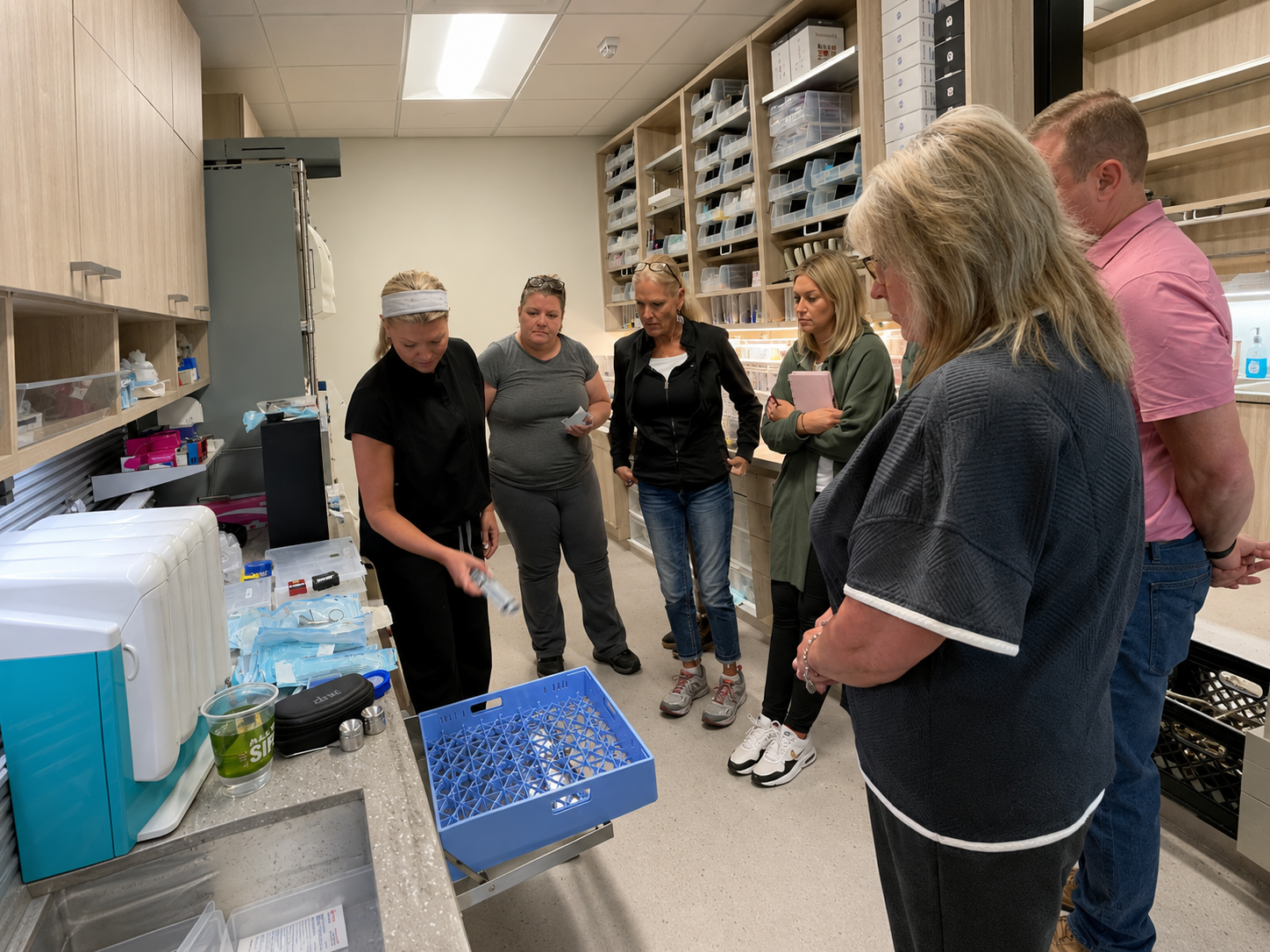
From the moment trainers arrive at the office, they go straight to work. Their role extends far beyond training team members. They help unpack equipment, organize supplies, establish workflows, and implement systems that support the practice long after opening day.
"Angie's a powerhouse. She's a force of nature," Dr. Dillingham recalls. "She loves what she does, and you can tell she's really good at what she does."
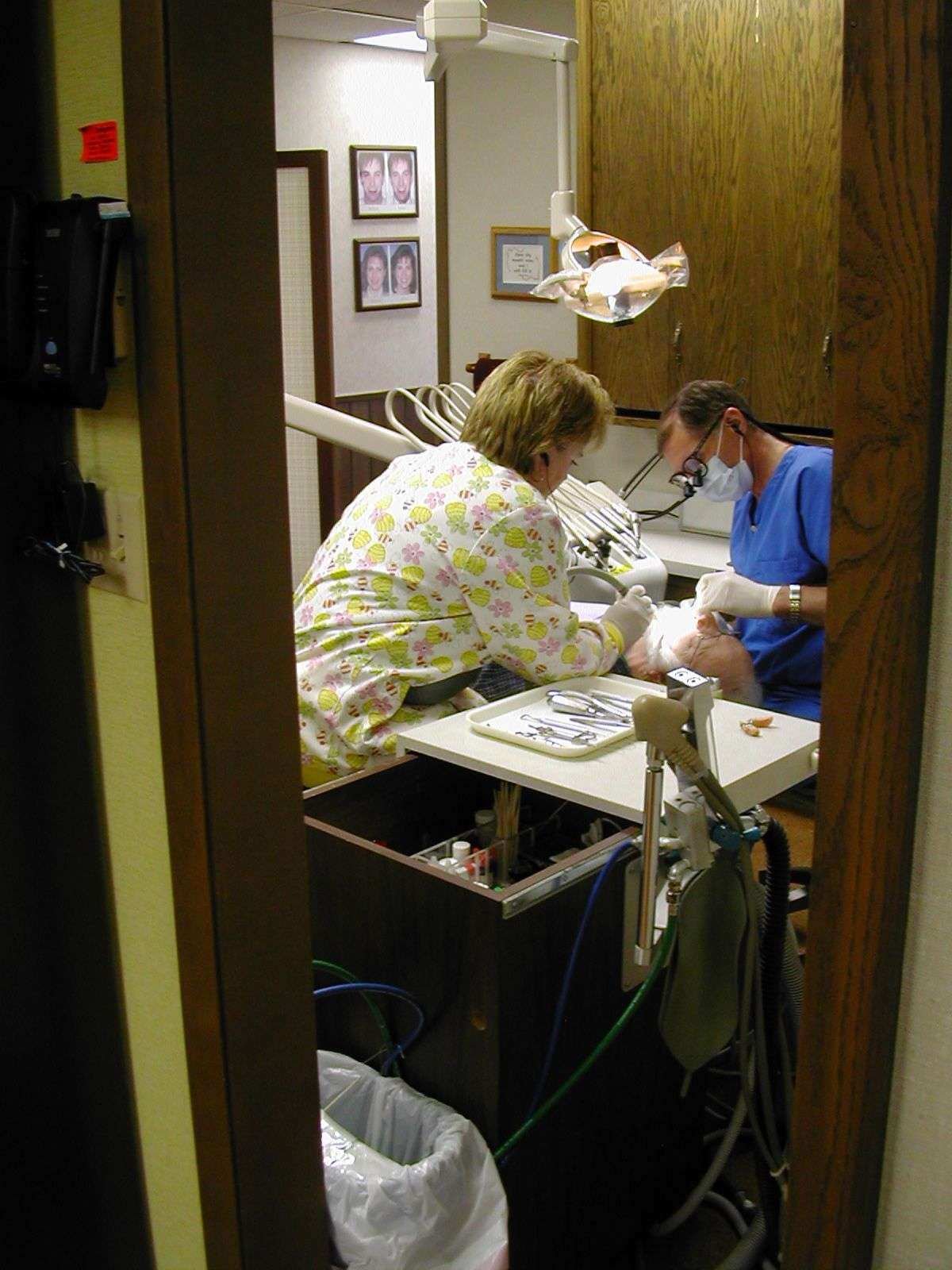
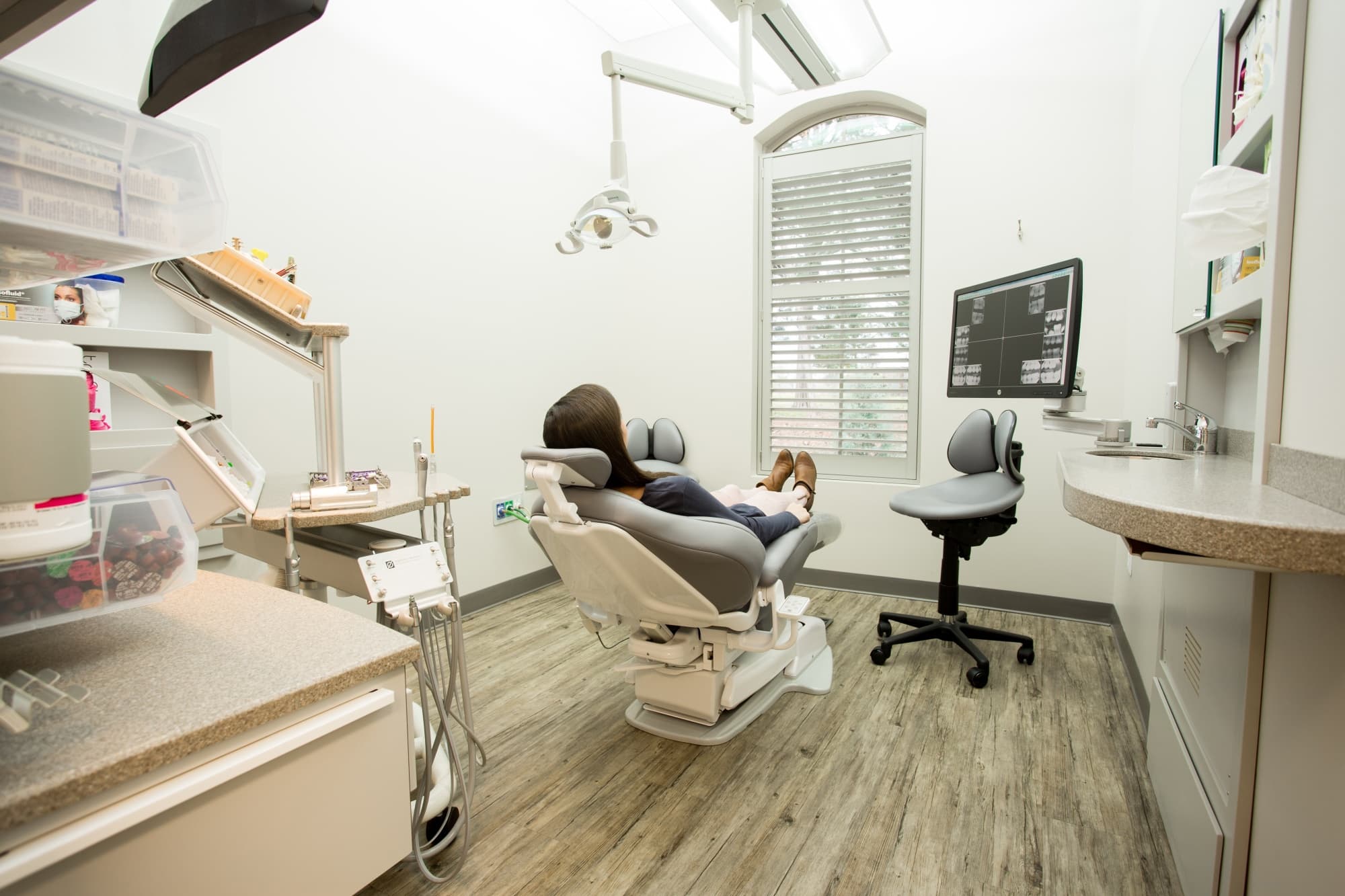
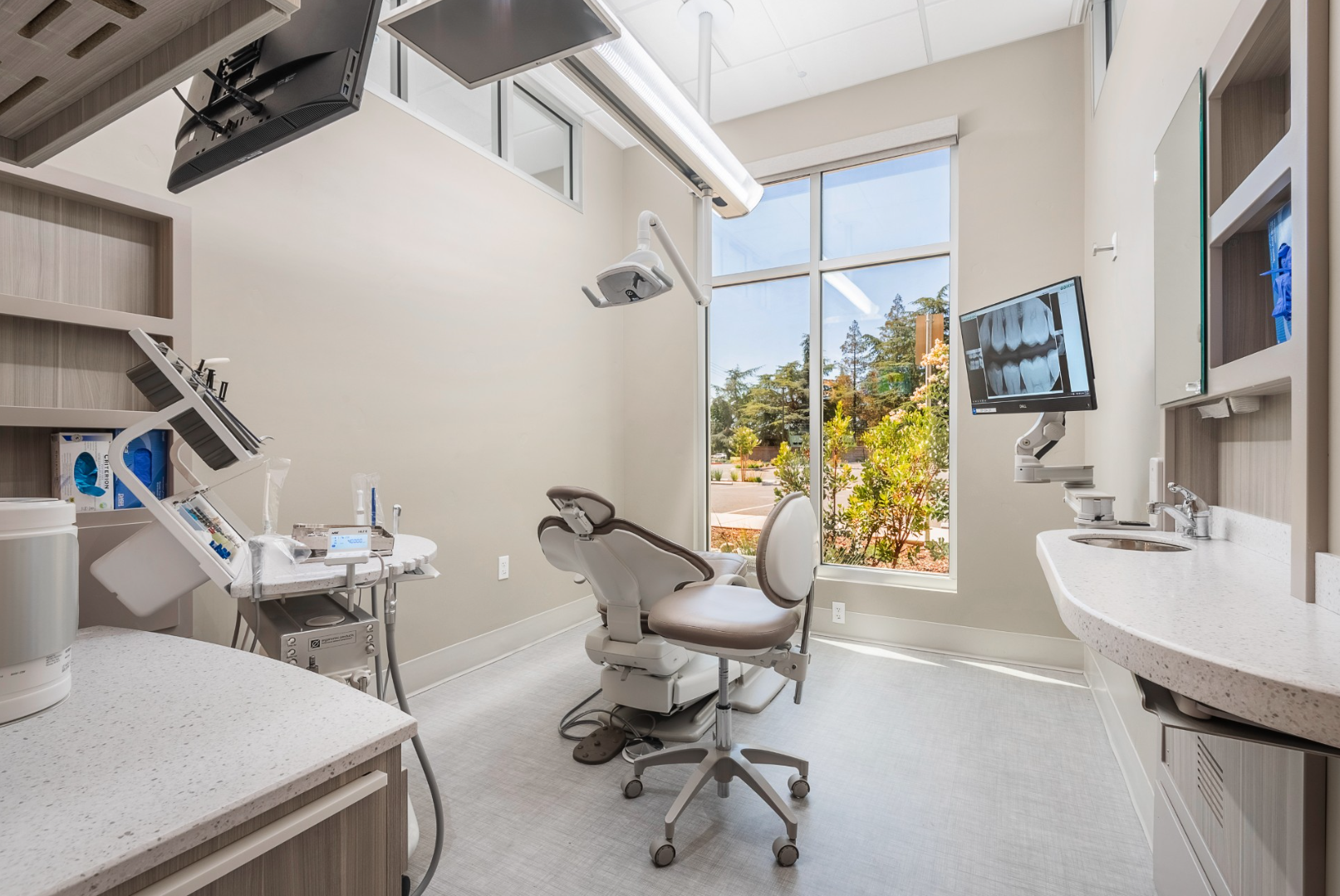
Unlike traditional consulting programs, the Efficiency Training team works alongside the practice team to build systems in real time. Treatment rooms are organized for efficiency, sterilization workflows are standardized, inventory systems are established, and lab case management processes are put in place before patients ever walk through the door.
Rather than leaving the team to figure things out through trial and error, the implementation process creates structure from the very beginning.
What Problems Does Efficiency Training Solve?
Before implementation, many practices experience common challenges:
- Assistants leaving treatment rooms to search for materials
- Cluttered sterilization centers
- Disorganized inventory systems
- Inefficient room turnover
- Inconsistent operatory setups
- Team stress caused by unclear processes
Efficiency training addresses these issues by creating standardized workflows that make daily tasks easier, faster, and more predictable. Rather than relying on individual team members to develop their own systems, the entire practice operates from a shared framework designed for efficiency and growth.
How Can Inventory Systems Improve Dental Office Efficiency?
For Dr. Dillingham, one of the biggest advantages was introducing supply management systems that immediately improved efficiency.
The concept was simple but powerful: stock a week's worth of supplies in designated tubs, then replenish entire tubs at once rather than constantly restocking individual items.
This approach reflects a larger philosophy behind clinical implementation: standardization. By creating consistent systems for resupply, room setup, and material organization, teams spend less time searching for supplies and more time focused on patient care. Practices often discover that many of the frustrations they accepted as "normal" were actually symptoms of inefficient systems.
"It's paradigm-shifting," Dr. Dillingham explains. For experienced team members accustomed to traditional methods, these systems often challenge long-standing habits. For newer staff, however, it quickly becomes the standard way of working.
How Do You Make an Efficient Office Still Look Beautiful?
Many dental offices focus heavily on aesthetics, and for good reason. Patients and team members appreciate clean, organized spaces. This is why we also offer interior design services for your new office. But true organization goes beyond closed drawers and tidy countertops.
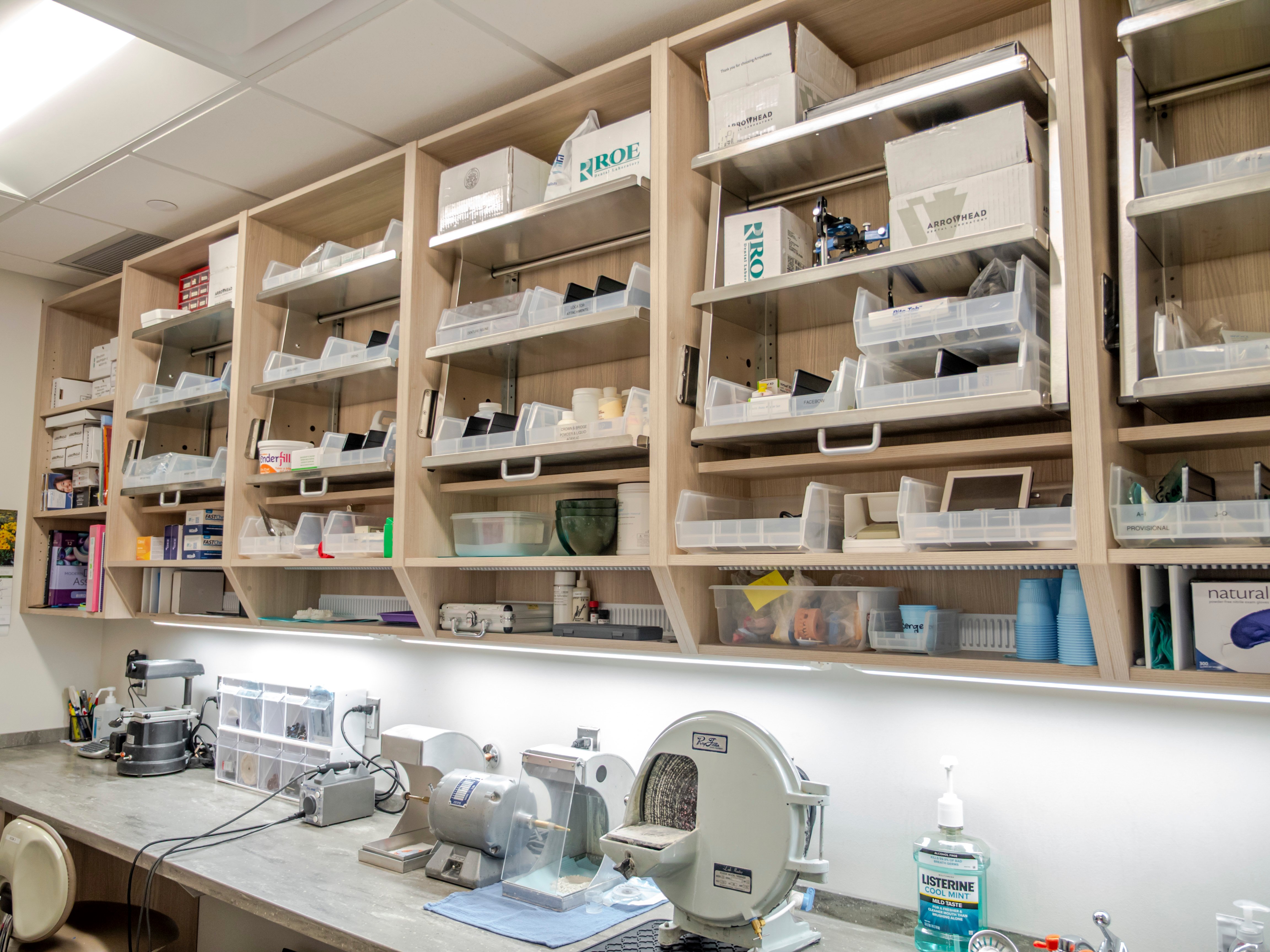
"There's something beautiful about a wall of tip-out bins where everything has a place," the doctor says. "Everything is easy to see and easy to access." When supplies are visible, organized, and located where they're needed most, teams spend less time searching and more time focusing on patient care.
Why Is Day-One Organization So Important?
Perhaps the greatest value of training is the momentum it creates. "It started us on the right foot," Dr. Dillingham shares. "It allowed things to be set up and organized day one, the right way."
Launching a practice is a critical moment. The habits established during those first weeks often become the foundation for years of operation. Implementing efficient systems from the start helps prevent the need for future corrections, retraining, or workflow redesigns.
Just as important, the team gains ongoing access to experts who can answer questions and provide guidance as new situations arise.
How Does Efficiency Training Protect Your Investment?
Dental offices are designed with purpose. Every operatory, sterilization center, and workflow is planned to support efficiency, ergonomics, and patient experience.
Yet even the best-designed space can fall short if the systems and processes aren't aligned with the design. "We spent all this time and money designing this space for an efficient, ergonomic workflow," Dr. Dillingham says. "To not use it to the best of its capabilities would have been getting off on the wrong foot."
That's why efficiency training is more than a class or webinar. It's the bridge between a well-designed practice and a high-performing one.
So, Is Efficiency Training Worth It?
Can a team eventually figure things out on their own? Maybe.
But doing so means months or years of inefficiencies, workarounds, and missed opportunities that could have been avoided from the start.
Having Design Ergonomics on-site helps practices avoid costly mistakes, establish efficient systems immediately, and maximize the value of their investment from day one.
In fact, practices implementing these systems experience an average 55% increase in hourly production, with a guaranteed minimum improvement of 20% within six months.
While every practice is different, the underlying principle remains the same: a thoughtfully designed office performs best when the systems operating inside it are equally intentional.
For Dr. Dillingham, the decision was simple in hindsight: "I'm glad that we did it."
Get More from Your New Practice
Design Ergonomics' Training team helps practices launch with confidence through onsite training, supply organization, workflow optimization, and ongoing support. By aligning your systems with your practice design, you can begin operating at peak efficiency from day one.
Check out our efficiency training page to learn more about how training will help your practice achieve its full potential and schedule a meeting to transform your newly built office into a fully functioning practice.




%20(648%20x%20324%20px)-1.png?width=648&height=324&name=cost%20pyramid%20featured%20image%20(3.125%20x%201.823%20in)%20(648%20x%20324%20px)-1.png)



.png?width=1080&height=566&name=Untitled%20design%20(21).png)