
Running a successful dental practice has never been more complex.
Between staffing shortages, rising overhead, increasing patient expectations, insurance administration, and the constant pressure to grow, dentists are expected to wear far more hats than simply providing excellent clinical care.
The good news? You don't have to solve every challenge yourself.
Over the past three decades, we've learned that the highest-performing dental practices don't just invest in better equipment; they invest in better systems. They surround themselves with partners who remove friction from every part of the practice, allowing doctors and teams to focus on what matters most: delivering exceptional patient care.
Whether it's creating a more efficient clinical workflow, automating repetitive administrative tasks, improving patient communication, or keeping growing teams aligned, the goal is the same: make dentistry simpler, more consistent, and easier to scale.
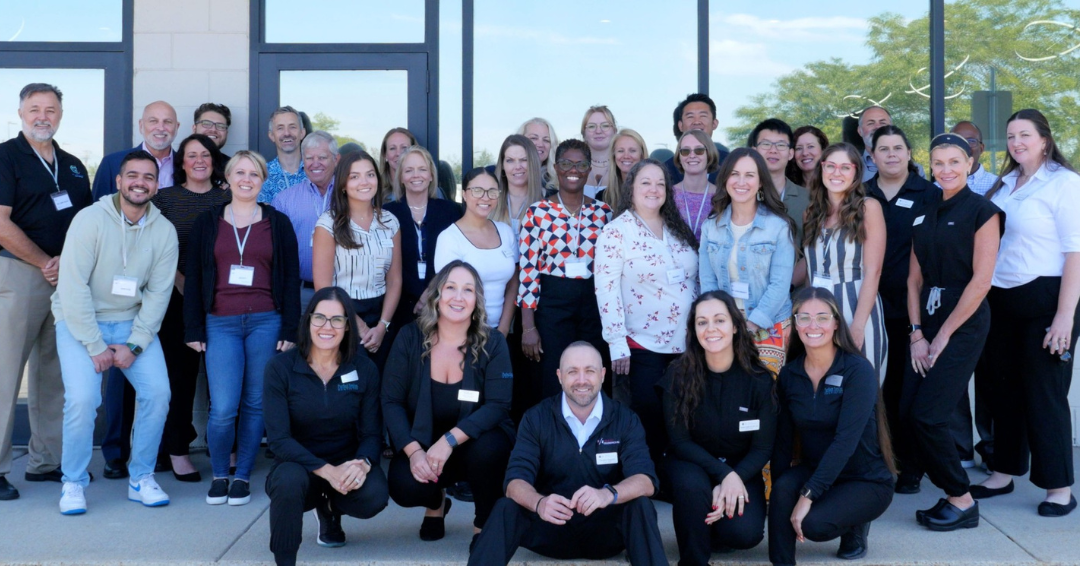
We were recently reminded of this while attending the Team Training Institute event as one of the event sponsors. Team Training Institute has long been a valued partner of Design Ergonomics, bringing together dentists who are committed to building stronger teams and better systems. We were honored to sponsor the event alongside several innovative companies that each solve a different operational challenge. Although their solutions are different, they all support the same philosophy we believe in at Design Ergonomics:
The easiest dental practices to run are the ones built on consistent, repeatable systems.
In this article, we'll share the four companies helping dentists do exactly that.
Table of Contents
- Lassie AI: Automate Insurance & Revenue Cycle Tasks
- Alta Voice: Improve Patient Communication with AI
- MangoApps: Keep Your Team Connected
- Design Ergonomics: Simplify Clinical Workflow
- Frequently Asked Questions
Great Practices Are Built on Great Systems
Dentists often ask us how to become more productive.
The answer isn't working harder or squeezing more appointments into the day.
The answer is making the work simpler, more consistent, and easier to repeat.
The most successful dental practices build systems that support every part of the business, including:
- Efficient office design
- Standardized clinical workflows
- Better patient communication
- Strong internal collaboration
- Ongoing team training
When these systems work together, everything else improves.
-
Patients enjoy a smoother experience.
-
Teams experience less stress.
-
Doctors gain more capacity without sacrificing quality.
-
And practices become easier to grow.
No single company can solve every challenge facing a dental office. But by partnering with organizations that specialize in different aspects of practice performance, dentists can build a practice that's more productive, more profitable, and far more enjoyable to work in. Let's take a look at a few solutions for common bottlenecks in your practice.
1. Lassie AI: Eliminate Administrative Bottlenecks

Administrative work is one of the biggest hidden productivity drains in a dental practice.
Insurance payment posting.
Accounts receivable follow-up.
Reconciling payments.
Manual data entry.
These tasks are essential... but they don't improve the patient experience, and they often consume hours that could be better spent serving patients.
Lassie AI helps automate many of these repetitive insurance and revenue cycle tasks, allowing practices to process payments more consistently, reduce outstanding accounts receivable, and eliminate much of the manual administrative work that overwhelms front office teams.
Another advantage is consistency.
Unlike manual processes that depend on staffing levels, turnover, or training, AI-driven workflows deliver repeatable results every day. As practices grow, that consistency becomes even more valuable because systems can scale without creating additional administrative burden.
Perhaps the biggest benefit is allowing talented team members to spend less time behind a computer and more time focused on patients. Rather than replacing people, AI frees them to do the work that only people can do—building relationships and creating exceptional patient experiences.
2. Alta Voice: Deliver Better Patient Communication

For many hygienists, the appointment doesn't end when the patient leaves the chair.
It ends after the periodontal chart is complete, the clinical notes are finished, and everything has been entered into the practice management software.
That documentation adds up. It slows appointments, extends the workday, and contributes to one of dentistry's biggest challenges: burnout.
Alta Voice was built specifically for dentistry to solve that problem.
Using AI-powered voice technology, Alta Voice allows hygienists and providers to complete charting and clinical notes naturally through conversation. Instead of stopping to type or relying on an assistant to record findings, clinicians can chart hands-free while continuing to focus on the patient.
Designed specifically for dental practices, Alta Voice recognizes dental terminology, integrates directly with leading practice management systems like Dentrix, Eaglesoft, Open Dental, Denticon, and Curve, and writes information back into the patient's chart in real time.
For practices looking to improve efficiency, the impact goes beyond saving time. Less documentation means clinicians can stay engaged with patients, reduce administrative fatigue, and often finish the day on time instead of catching up on charts after the last appointment.
3. MangoApps: Keep Your Entire Team on the Same Page

The phone doesn't stop ringing just because your team is busy.
New patient inquiries.
Appointment requests.
Insurance questions.
After-hours calls.
When those calls go unanswered, practices risk missed opportunities and frustrated patients.
Mango Voice helps ensure every call is answered through its AI receptionist, Margo. While your team focuses on the patients in the office, Margo engages callers in natural conversation, captures important information, and routes requests appropriately, so no opportunity slips through the cracks.
Combined with cloud-based phone service, texting, analytics, and practice management integrations, Mango Voice helps practices improve communication without increasing the workload on the front desk.
The result is fewer missed calls, a better patient experience, and more time for your team to focus on delivering exceptional care.
4. Design Ergonomics: Build a Practice That Works Smarter
 The biggest productivity improvements rarely come from asking your team to work harder.
They come from eliminating unnecessary complexity.
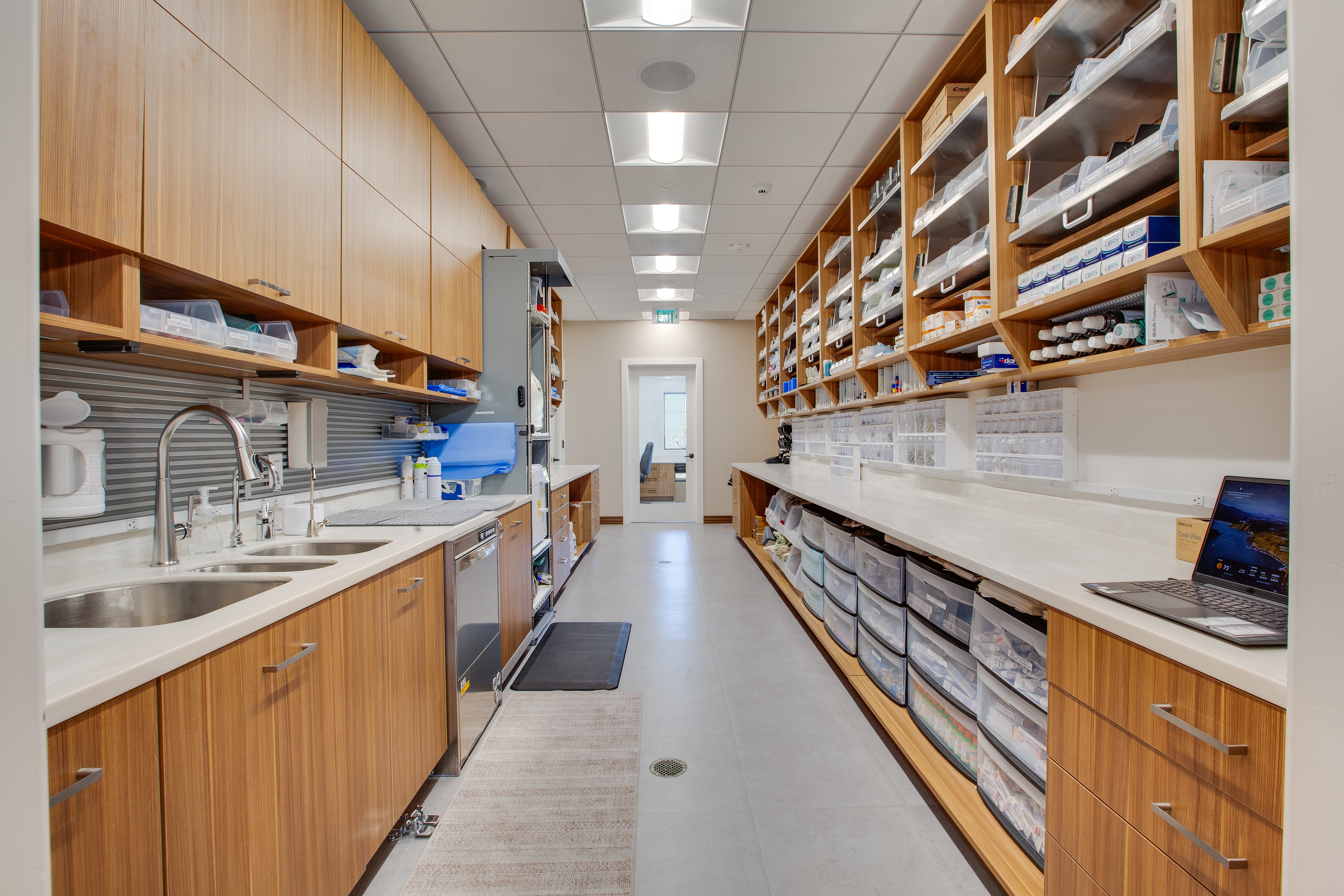
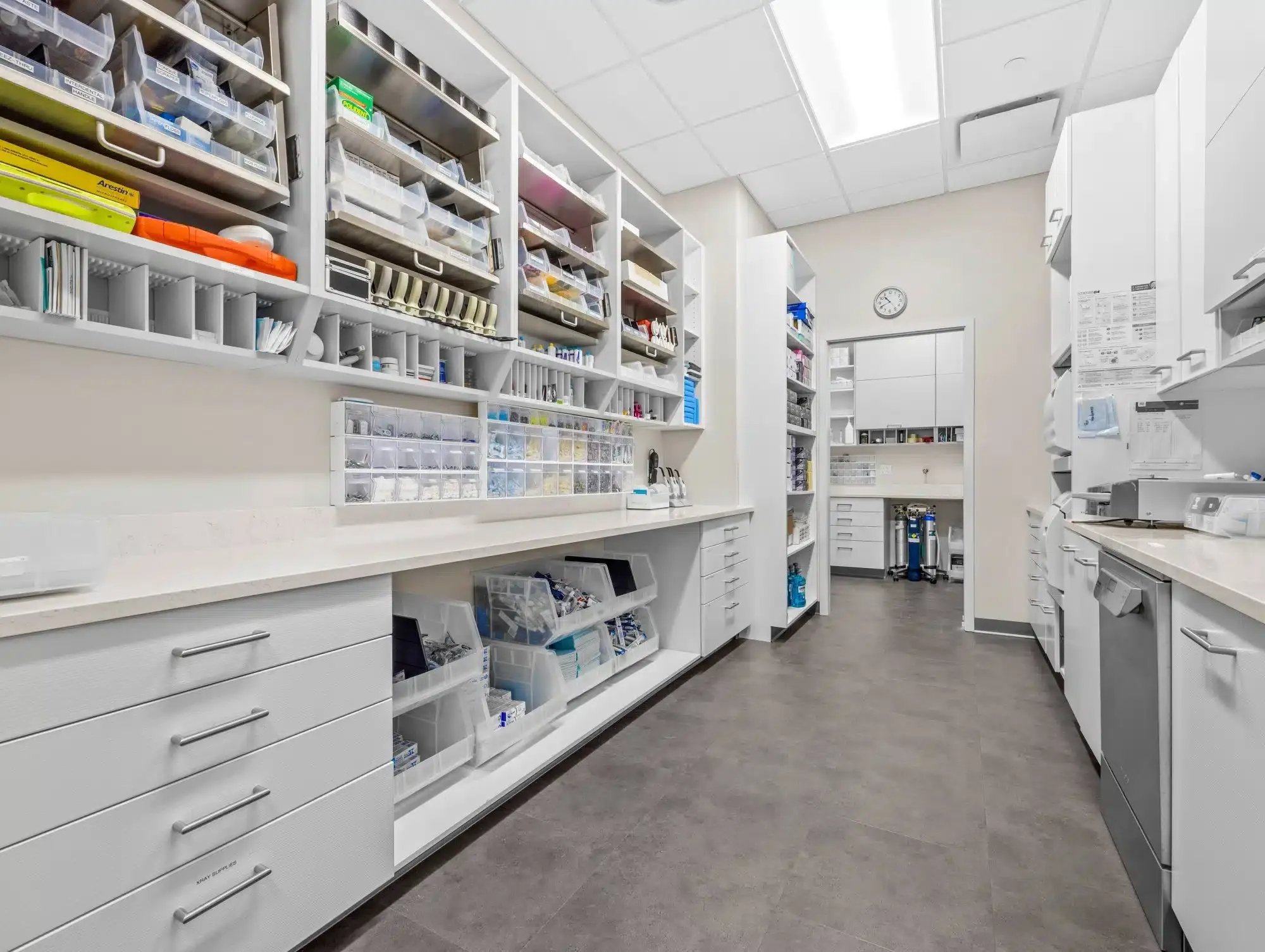
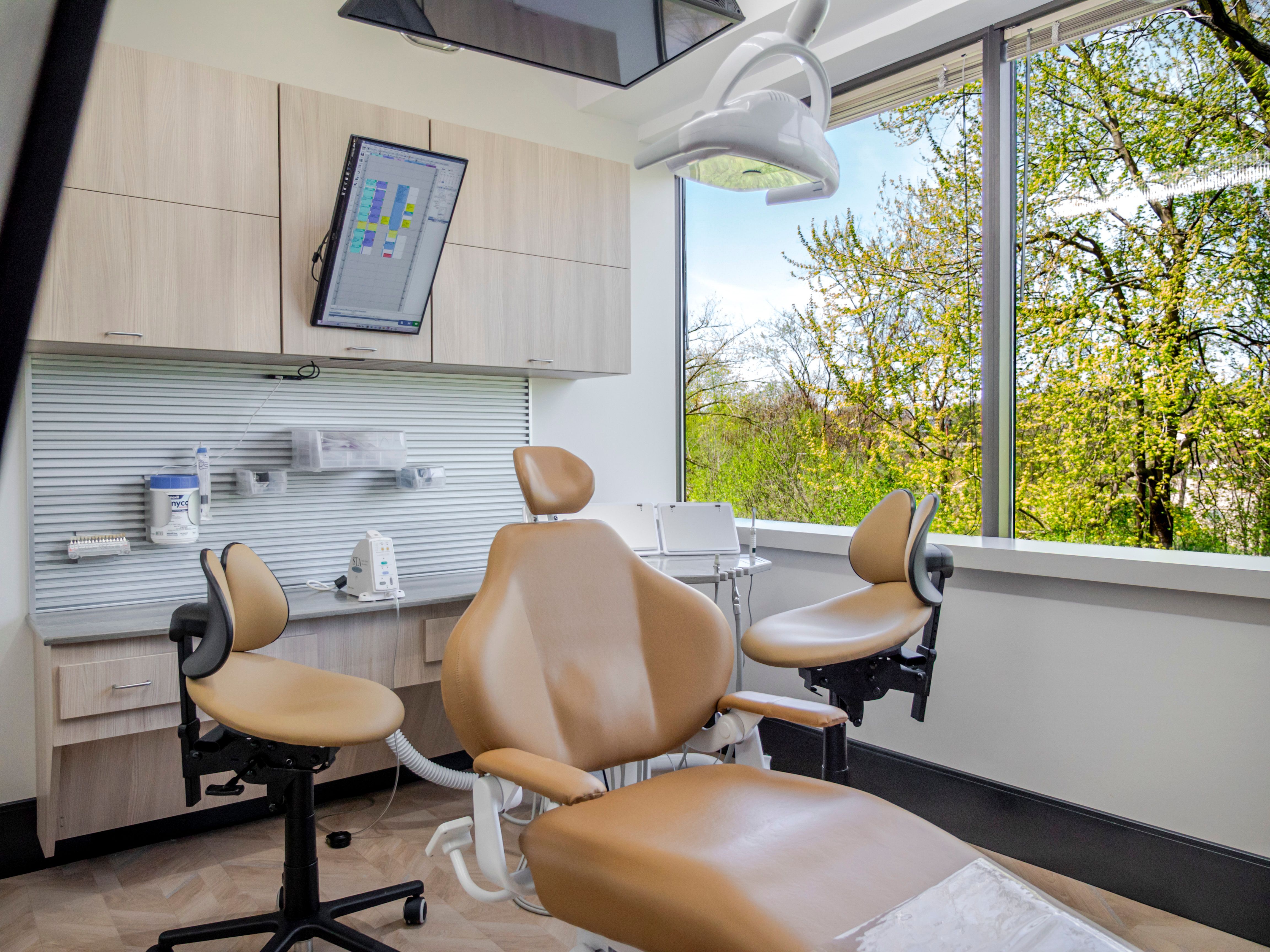
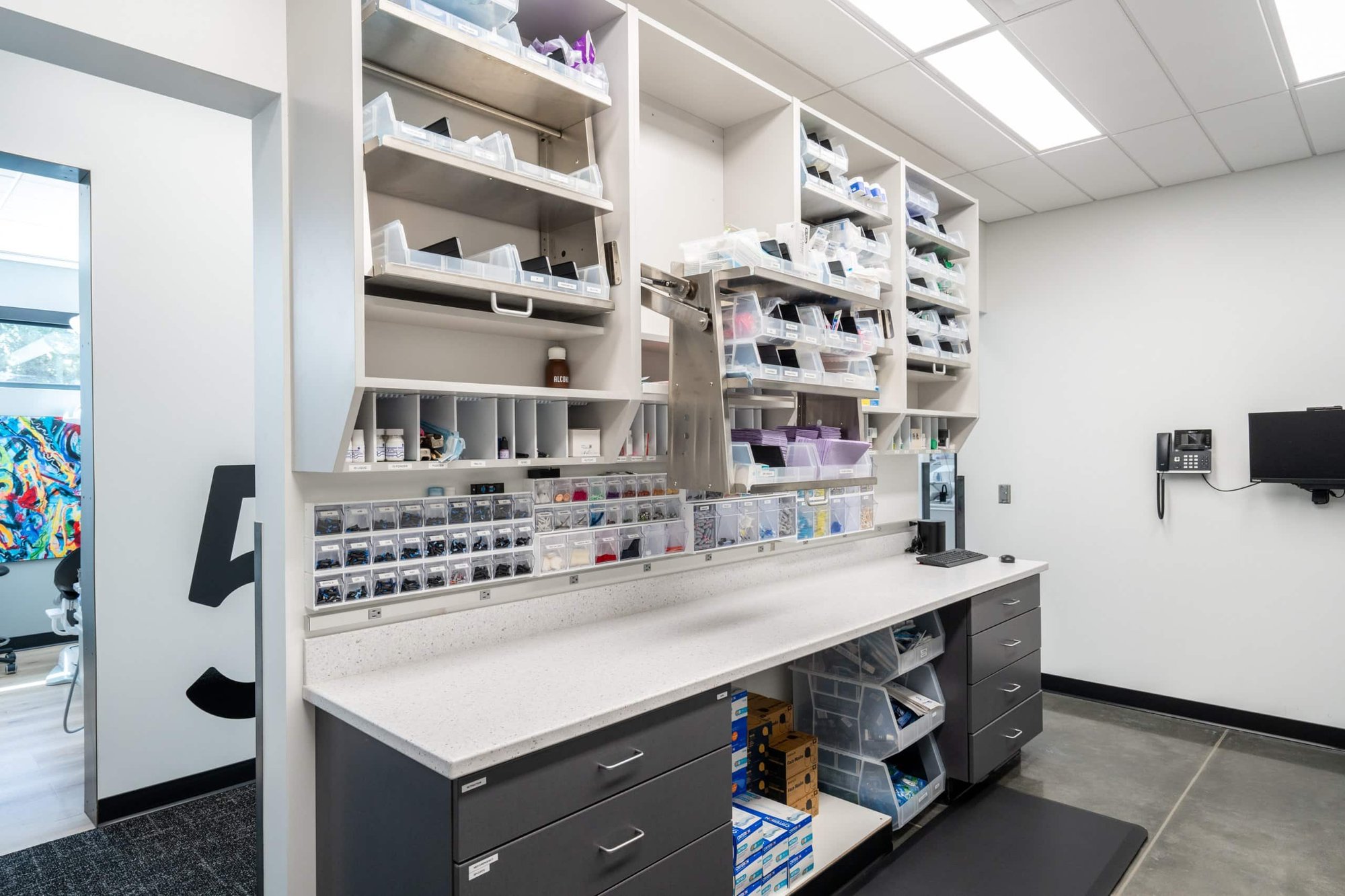
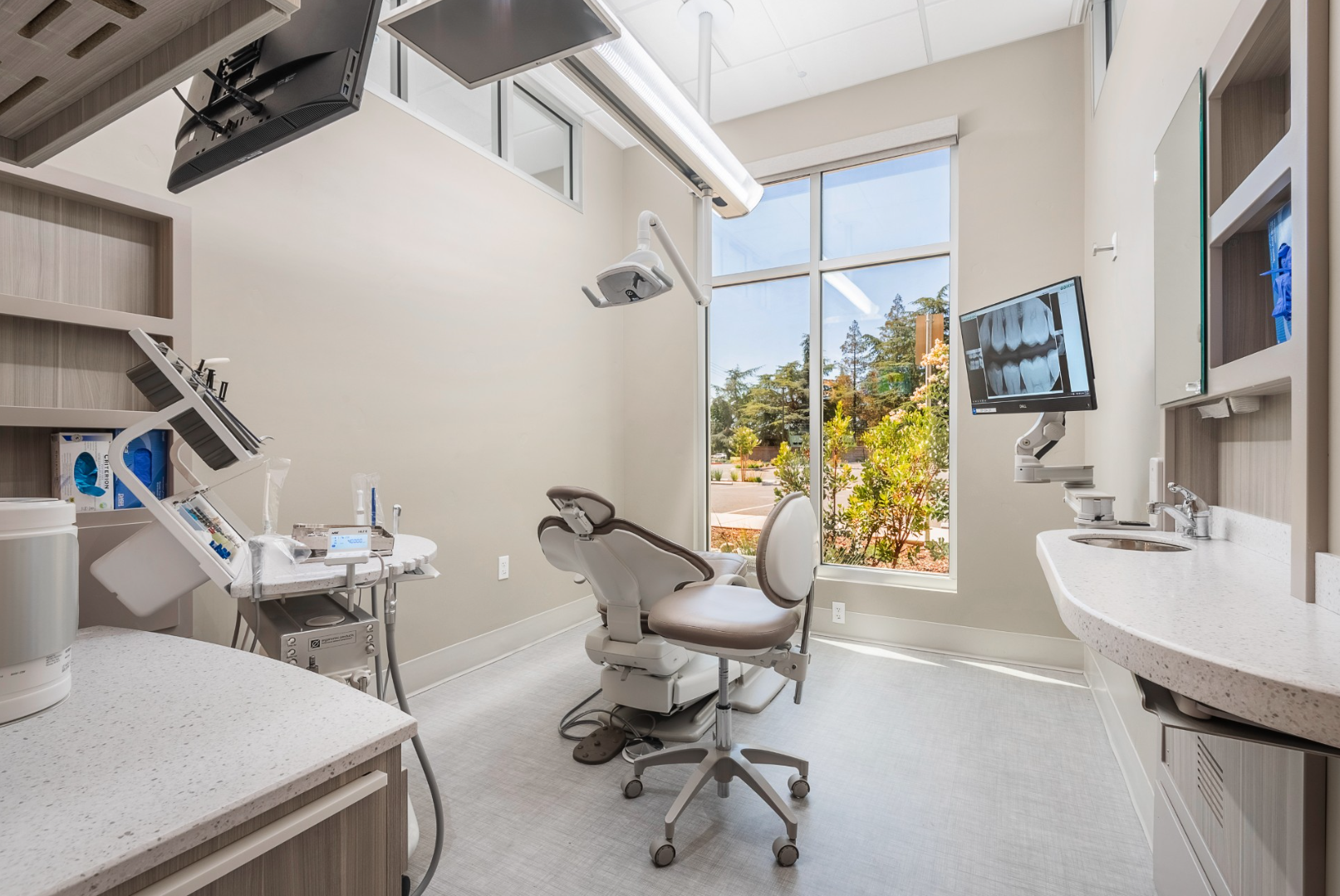
At Design Ergonomics, we've spent more than 30 years helping dentists design practices that are easier to work in, not just beautiful to look at. Through specialized dental office design, productive equipment, and clinical efficiency training, we help practices remove the bottlenecks that create stress throughout the day.
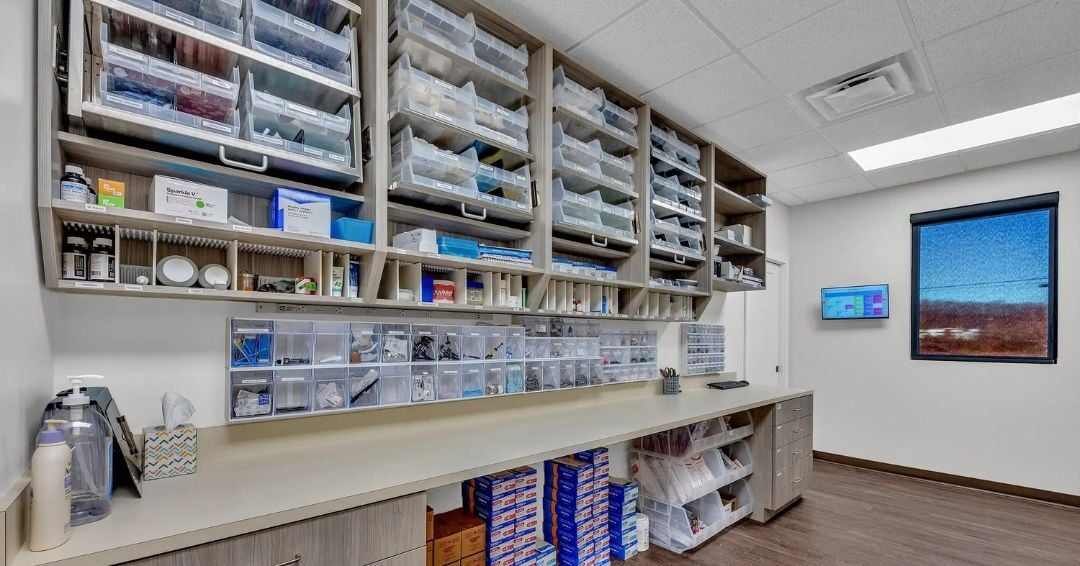
When operatories are standardized, sterilization flows logically, supplies are organized consistently, and every team member follows the same systems, practices become easier to train, easier to manage, and easier to grow.
Instead of constantly solving the same problems, teams gain predictable processes they can rely on every day.
Even saving a few minutes during each appointment compounds into meaningful capacity over the course of a week, month, and year. Those small improvements allow practices to see more patients, reduce daily stress, and improve profitability without extending hours or asking the team to work harder.
Our goal has always been simple:
Help dentists build practices that are more productive and less stressful.
Ready to Make Dentistry Easier?
Whether you're planning a new office, remodeling your current practice, or simply looking for ways to improve efficiency, Design Ergonomics can help you build systems that reduce stress and unlock hidden capacity.
Schedule a meeting with our team to discuss your practice and explore what's possible.
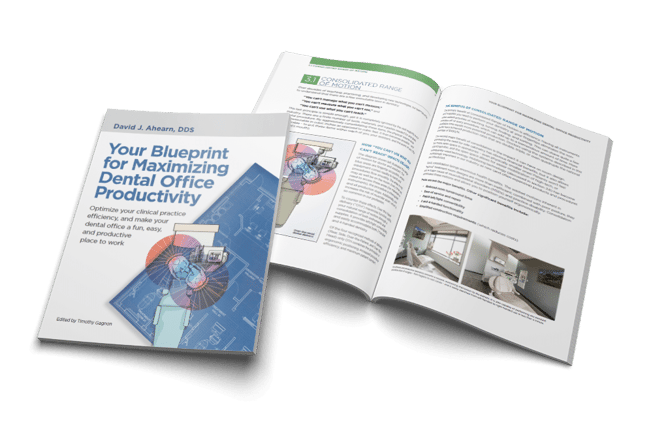
Not quite ready to talk? Start by learning the principles behind the nation's most productive dental practices.
Download free chapters of Your Blueprint for Maximizing Dental Office Productivity and discover practical strategies you can begin applying to your practice today.
Topics:


%20(648%20x%20324%20px)-1.png?width=648&height=324&name=cost%20pyramid%20featured%20image%20(3.125%20x%201.823%20in)%20(648%20x%20324%20px)-1.png)