
Whether you're starting from scratch, leasing a space, or renovating an existing practice, understanding the true cost of building your next dental office is essential to making a sound financial decision and achieving the return on investment you're looking for.
Across North America today, most modern dental offices cost between $1 million and $2 million to build, depending on the size of the practice, equipment selections, and the type of construction project.
For example, a 10-operatory tenant improvement project typically costs around $1.5 million all-in.
The good news? It's not a mystery. There's a proven formula, and we're going to walk you through it.
Two primary factors determine your total investment, and once you understand them, everything else falls into place.
Table of Contents
- The Two Deciding Factors
- Determining How Big Your Practice Should Be
- How Many Treatment Rooms Do You Need?
- Calculating Your Square Footage
- Construction Types & Costs
- Equipment & Additional Costs
- The Full Budget Picture
- The Revenue Rule
The Two Deciding Factors
So, what are the two deciding factors?
- How many square feet will your next office be?
- What type of construction project are you undertaking?
These two questions unlock everything else: your budget, your timeline, your revenue potential, and ultimately your path to success.
How Much Physical Space Do You Have Available?
If you're limited to a 1,200-square-foot rental unit, that's the constraint you're working within. But if you're purchasing land, subdividing a larger space, or haven't even begun looking for locations yet, then you have more flexibility.
To determine the right size for a dental practice, the most important question is this:
How Many Treatment Rooms Do You Need?
Let's work backwards and start with doctors. How many full-time doctors do you plan to support?
This matters because every doctor needs treatment rooms to practice in.
A good rule of thumb is five rooms per full-time general dentist.
That typically includes:
- 2 restorative rooms
- 2 hygiene rooms
- 1 overflow room
Some ambitious dentists like our founder comfortably run seven rooms by themselves, but five rooms per doctor is a safe, flexible target for most practices.
So if you're planning for:
- 2 doctors → 10 operatories
- 3 doctors → 15 operatories
Patient Volume Matters Too
Research shows that a healthy practice typically sees 10 to 15 new patients per month per operatory, assuming a standard 35–40 hour work week.
So a two-doctor practice with 10 operatories would typically see 100 to 150 new patients per month.
If you're significantly above that, your systems may be strained. Below that, you likely have unused capacity.
Calculating Your Square Footage
Once we know how many operatories we need, we can determine the total square footage of the practice.
To do this, we multiply the number of treatment rooms by a Room Yield multiplier (A number refined through decades of design experience and thousands of dental office projects)
For reference:
Room-centric design (the kind that uses large side cabinets) typically requires:
400 to 500 square feet per operatory.
So a 10-operatory practice built this way would require 4,000 to 5,000 square feet.
However, our streamlined Office Centric design approach typically requires only 330 to 350 square feet per operatory.
That means the same 10-operatory office could function efficiently in just 3,300 to 3,500 square feet.
Why the difference?
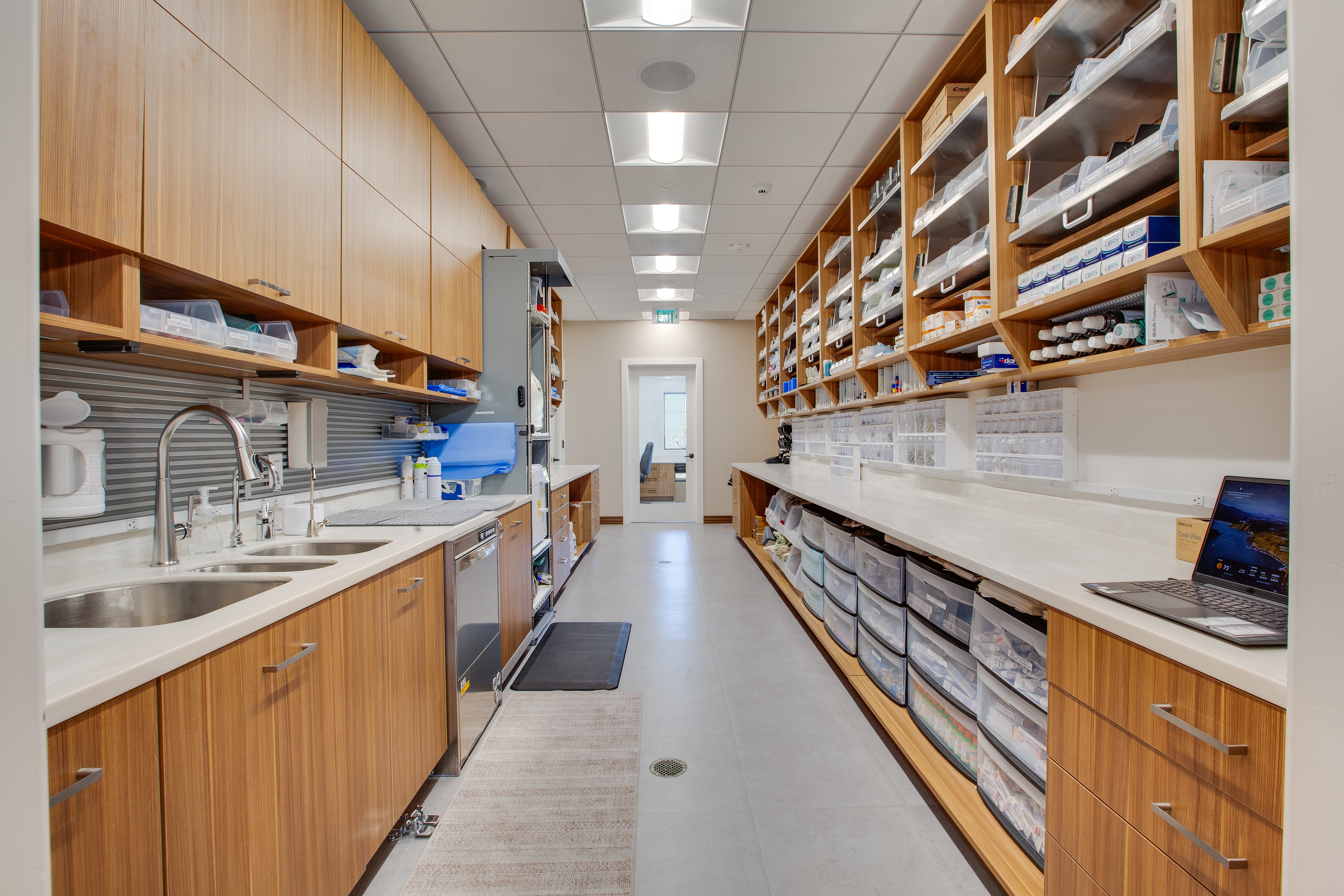
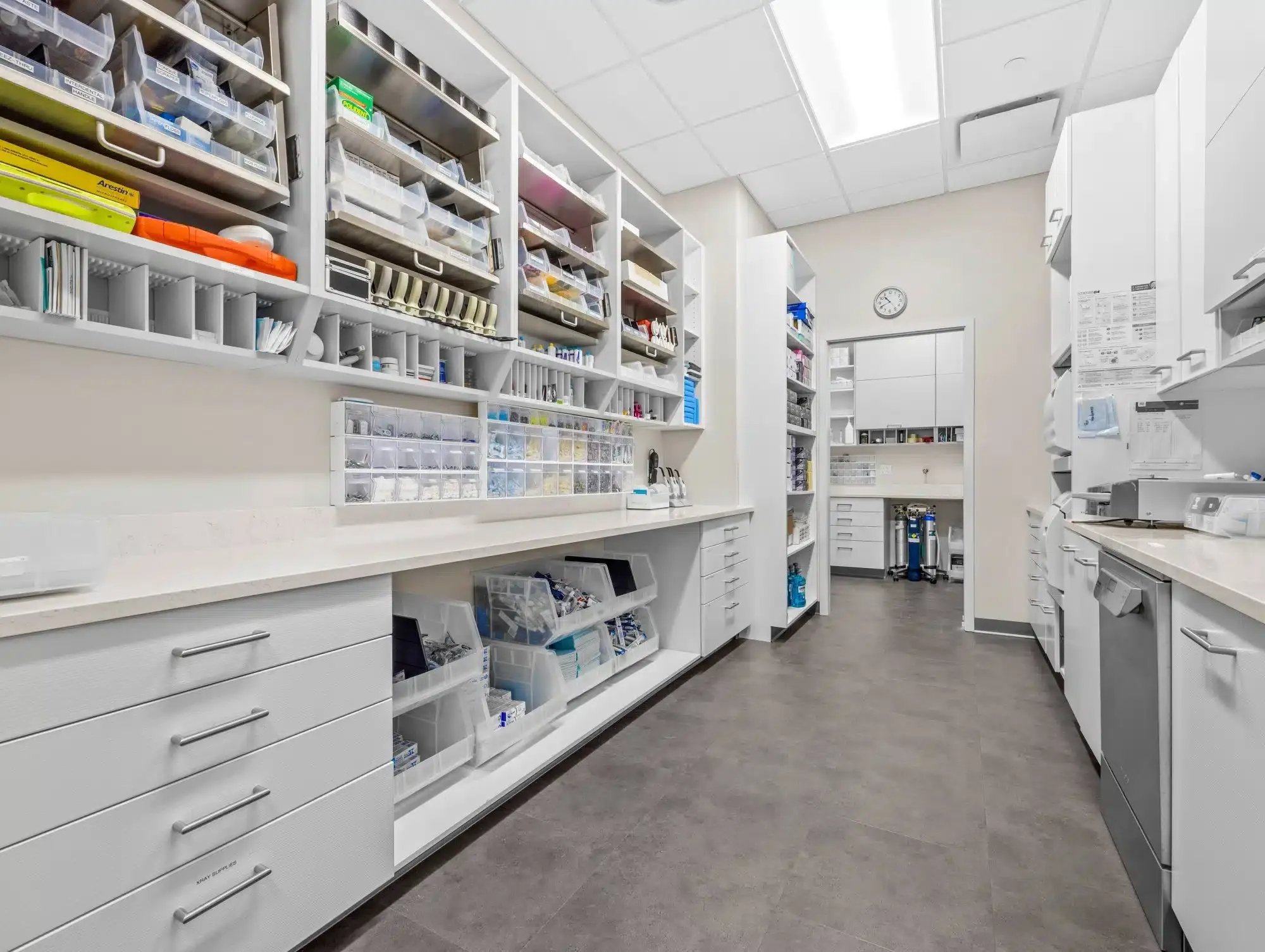
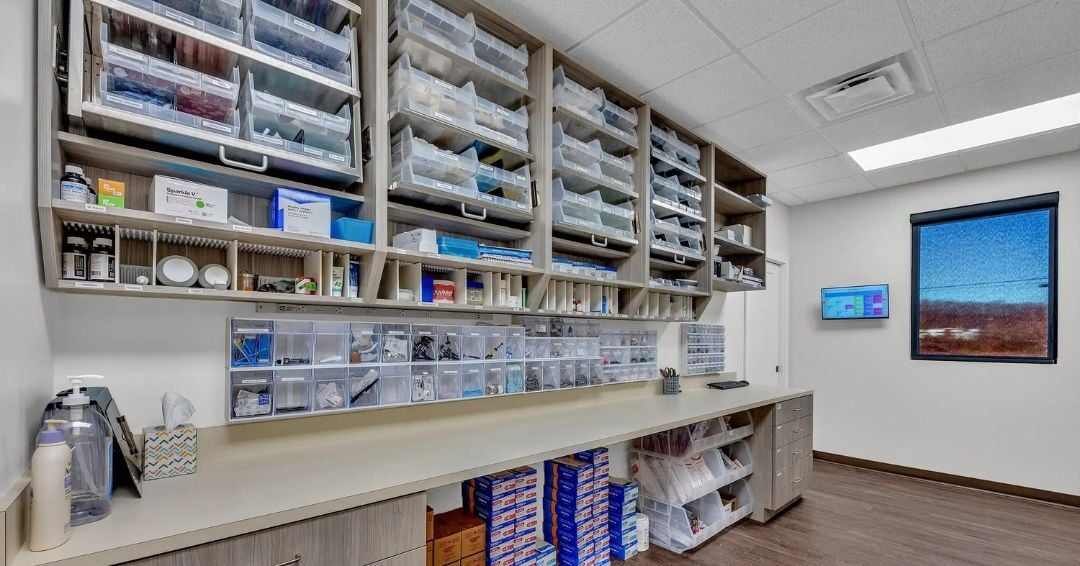
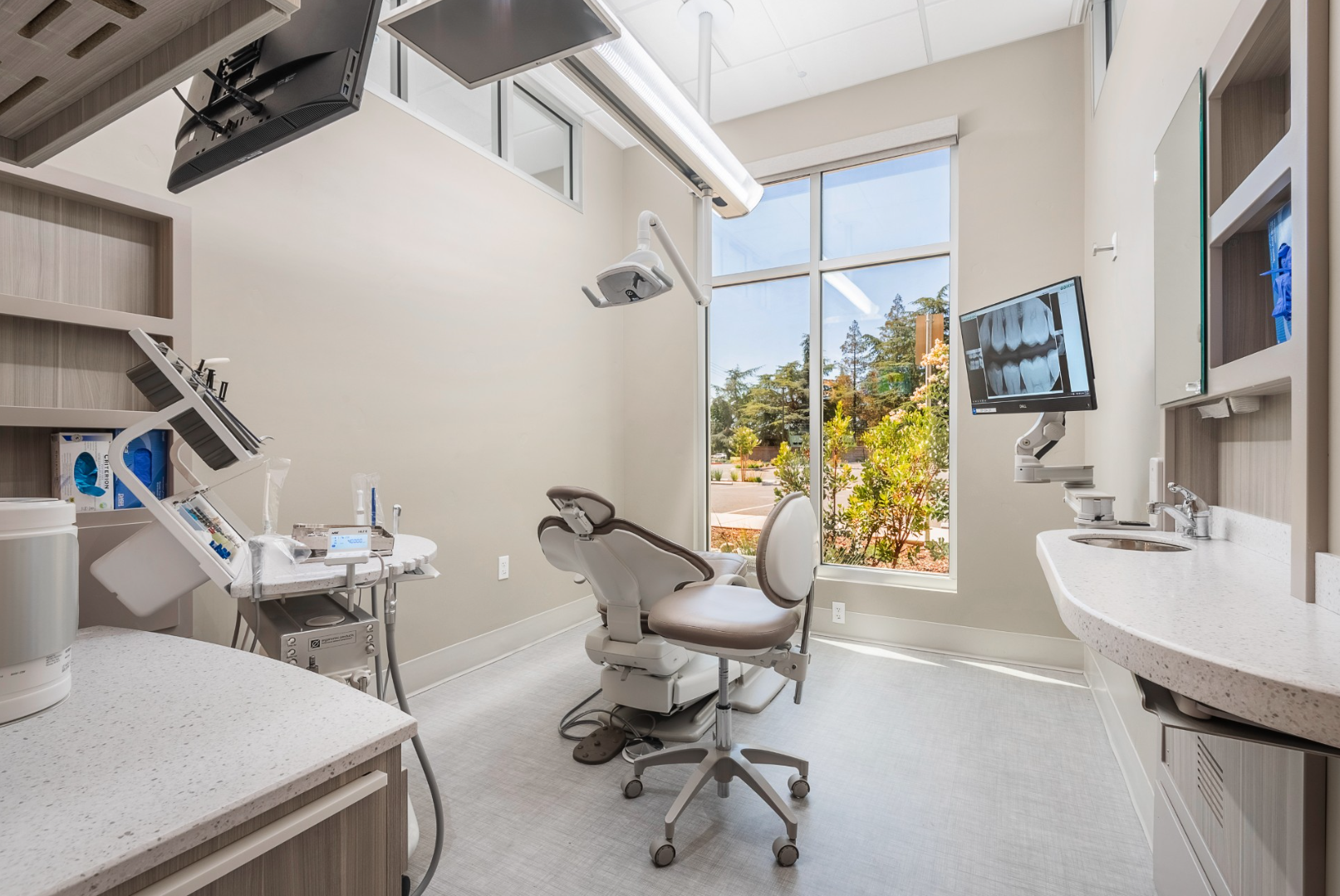
Because everything the doctor and assistant need: supplies, materials, instruments, handpieces is organized efficiently and placed within arm's reach.
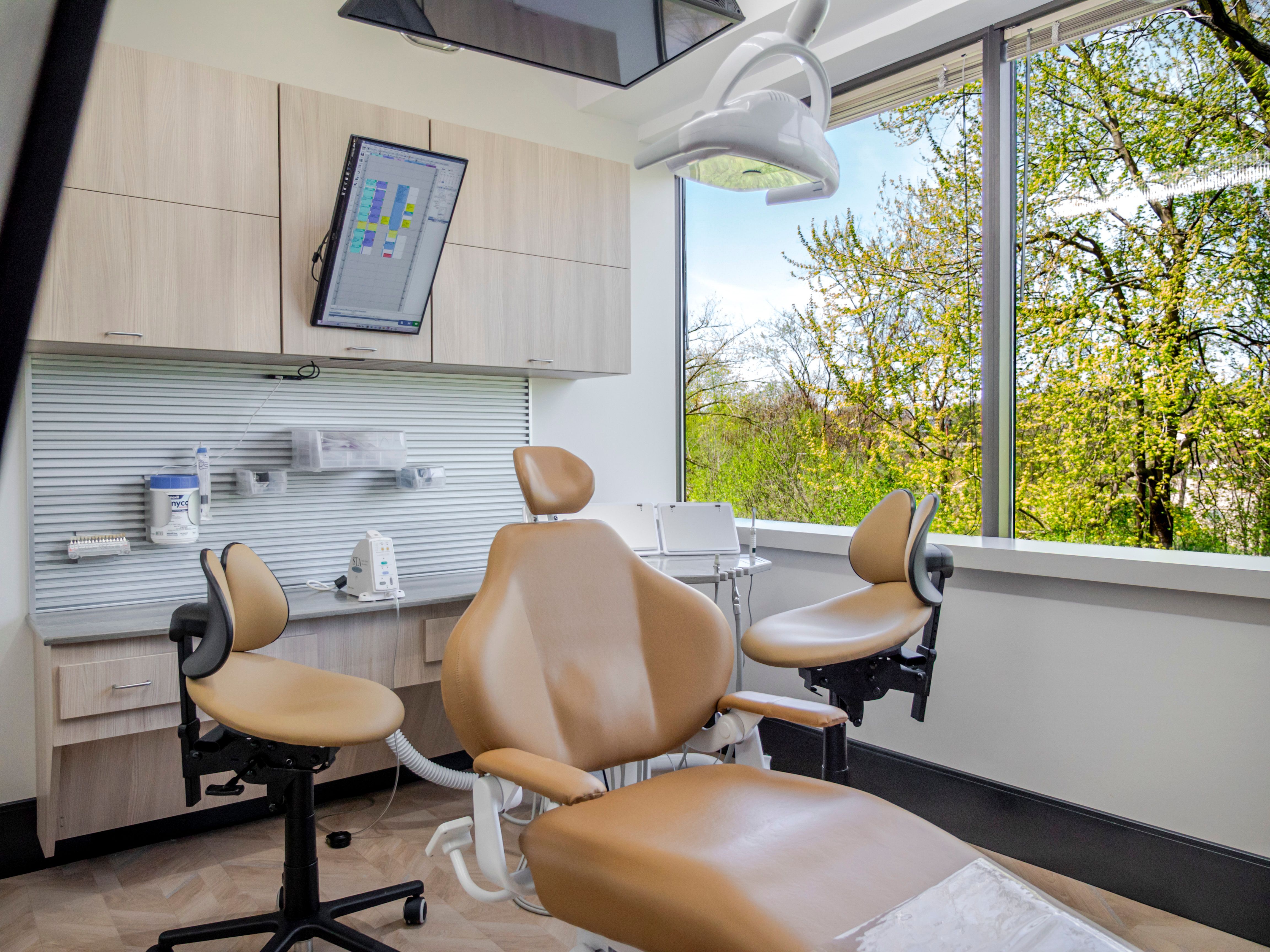
Every dollar you will ever produce in your practice happens inside this treatment zone.
The more efficiently this space is designed, the less overall square footage you need, and the lower your construction costs become.
Construction Types & Costs
Now that we know the size of the practice, let's look at the second major factor:
What type of construction project are you undertaking?
There are three common options.
Ground-Up Construction
Average cost: about $350 per square foot, plus land costs.
Leasehold or Tenant Improvement
Average cost: about $250 per square foot.
Renovation of an Existing Practice
Average cost: about $300 per square foot, plus the purchase price of the practice.
Why is renovation often more expensive than people expect? Because you're effectively paying twice:
First to demolish the existing space, and then again to rebuild it correctly.
And if the practice remains operational during construction, the potential downtime can sometimes make it more cost-effective to build an entirely new facility elsewhere.
For more information on whether you should rent, renovate, or build a dental office, click here.
Current Construction Costs
It's also important to understand the broader market conditions.
Construction costs are currently at historic highs. Healthcare construction indices show that we're building dental offices at the most expensive point in history.
If you're using cost estimates from dental school or even five years ago, it's wise to add roughly 40% to reflect current market conditions.
Even so, when the total cost represents only 5–10% of projected revenue, the investment almost always still makes financial sense.
Equipment & Additional Costs
Beyond the building itself, you'll also need to budget for equipment.
Per Operatory Equipment
Plan for $20,000 to $40,000 per room, depending on your selections. This includes the patient chair, delivery system, lighting, and cabinetry.
Mechanical Equipment
Your compressor and vacuum system.
A good rule of thumb is about $1,500 per operatory for both combined.
So a 10-operatory practice would require roughly $15,000 in mechanical equipment.
Sterilization Center
Typically costs roughly the same as equipping one treatment room.
For a 10-op practice, expect around $30,000 to $40,000.
Lab Equipment
Costs vary widely depending on whether you're running a basic lab or incorporating advanced CAD/CAM systems.
Imaging Technology
Digital pan systems or CBCT units can add tens or even hundreds of thousands of dollars depending on your technology choices.
IT Infrastructure and Miscellaneous Equipment
These round out the total equipment budget.
The Full Budget Picture
Let’s walk through a real example:
10-Operatory Tenant Improvement
Construction:
3,500 sq ft × $250 = $875,000
Equipment:
- Operatories: $300,000
- Mechanical: $15,000
- Sterilization: $30,000
- Lab/Imaging/IT: $50,000–$80,000
Soft Costs:
- ~5% of construction
Contingency:
- Add 10% safety margin
Total Project Cost: ~$1.5 million
Estimated Monthly Payment: ~$10,000
The Revenue Rule
But here's the critical question most dentists overlook:
The total construction loan should never exceed 5–10% of your monthly revenue.
For example:
If your practice generates $200,000 per month, then:
5% = $10,000 per month in debt service.
At current loan terms, that corresponds to roughly $1.5 million in borrowing capacity.
Using our earlier example:
A 10-operatory office producing $30,000 per operatory per month would generate $300,000 in monthly production.
Your building loan should fall between $15,000 and $30,000 per month. Right inside that safe 5–10% range.
This rule ensures your building investment supports your practice rather than restricting it.
It also leaves 95% of your revenue available to cover all other operating expenses.
Cost is only part of the equation. What really matters is how your design impacts long-term production and ROI. Click here to learn more.
Next Steps:
Building or renovating your dream dental office is absolutely achievable... but it starts with understanding the numbers.
The key is planning intelligently and working with partners who have successfully guided dentists through this process before.
We've guided over 3,000 dentists through this process, and we know what works.
We'll help you evaluate your options, review construction bids, and design a dental office that sets your practice up for extraordinary long-term growth.
If you're still early in the process, we’ve created a step-by-step resource to guide you: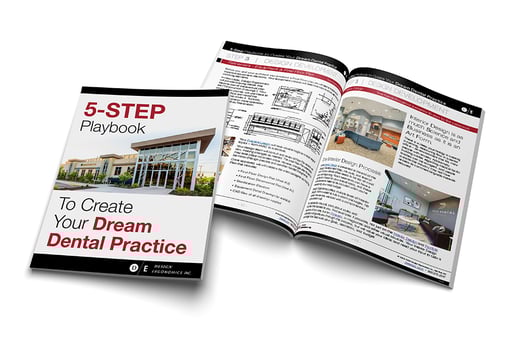
Download our 5-Step Dental Office Start-Up Playbook
It walks you through:
- How to choose the right location
- How to size your practice correctly
- What to prioritize (and what to avoid)
- How to plan your investment for maximum ROI
Whether you're just exploring or ready to build, it’s the best place to start.
Topics:



%20(648%20x%20324%20px)-1.png?width=648&height=324&name=cost%20pyramid%20featured%20image%20(3.125%20x%201.823%20in)%20(648%20x%20324%20px)-1.png)