

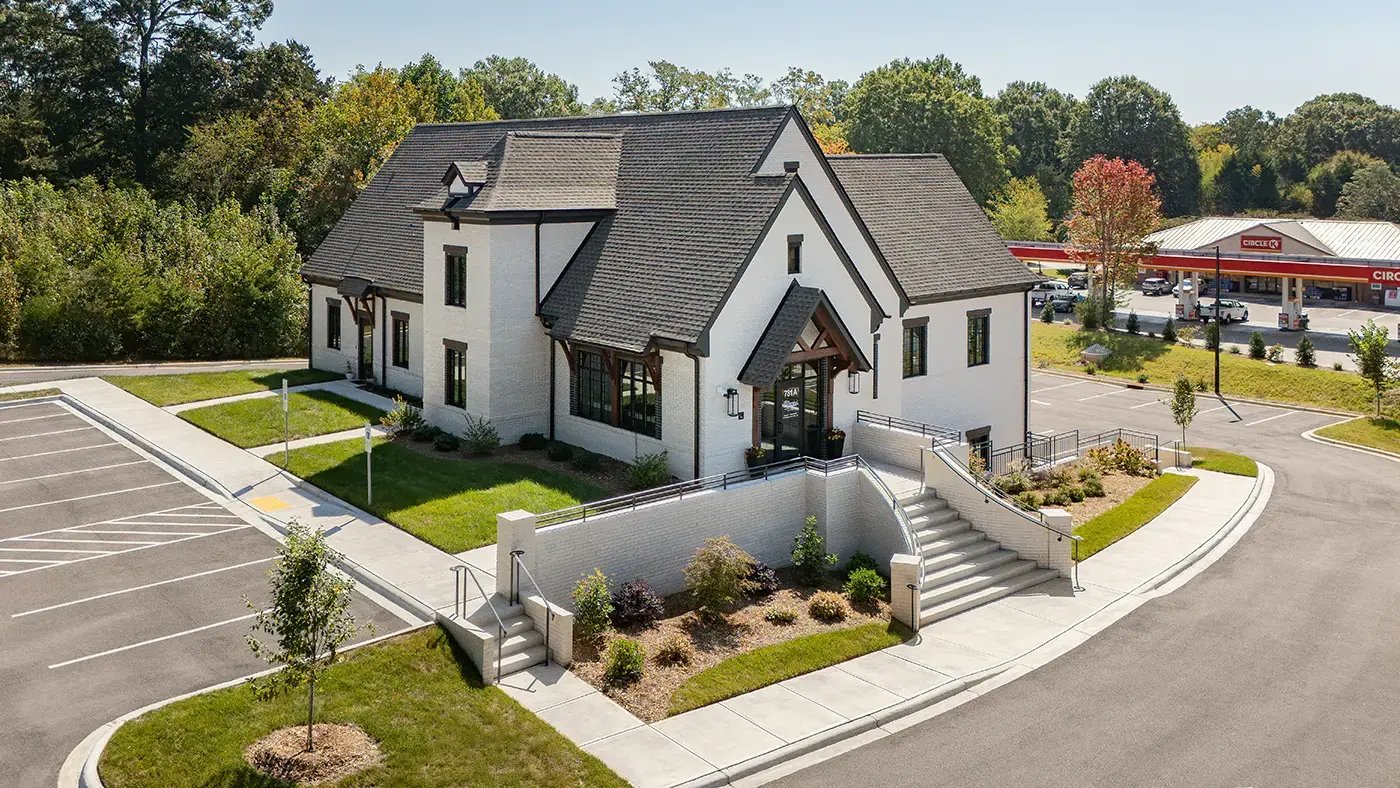
Short answer: There is no one-size-fits-all solution, but the right choice depends on your growth goals, location strategy, and long-term vision for your practice.
It’s an important question, and one we encourage doctors to think about early, and not after a lease is signed or a building is purchased. Your practice location affects far more than square footage. It impacts workflow, patient experience, team efficiency, sustainability, and your ability to grow.
Below, we break down the three primary options: Renting, Renovating, and Ground-up construction, using the exact questions doctors ask us most.
Is leasing a dental office space a good option for my dental practice?
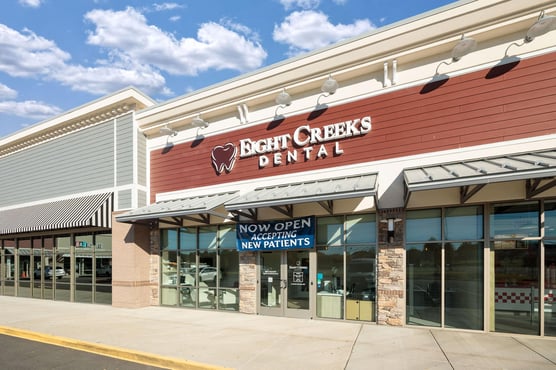
Renting a space, often referred to as a tenant improvement, involves leasing a commercial space that you customize and build out (including walls, utilities, layout, and finishes) to function as your dental office. Tenant improvements can be a great way to start your practice, but they often lead to investing heavily in a space you’ll eventually outgrow.
What should I look for in a tenant-improvement space?
- Room to grow: Enough space to start comfortably, with the ability to expand as your patient base increases.
- Expansion options: The possibility to take over an adjacent suite or expand within the same building when it’s time to scale.
- High visibility: A location in a busy retail corridor or shopping center anchored by major stores, restaurants, or grocery chains.
- Favorable structure: Few load-bearing walls or floor-level changes that could complicate future renovations or layouts.
Why should I rent my space?
Tenant improvement spaces are commonly used because they:
- Allow a practice to open in a visible, high-traffic location
- Require less upfront commitment than buying land or a building
- Can be designed to fit the practice’s immediate needs
Should I buy an existing dental office and renovate it?
.jpg?width=2000&height=857&name=Untitled%20design%20(3).jpg)
Renovating an existing practice, especially a solo, stand-alone building, can be appealing. You often purchase the entire practice, including the equipment, and sometimes even the team, from a retiring doctor. With luck, you’ll inherit many of their patients, giving you a strong head start.
But renovation can also mean dealing with someone else’s ghosts.
What are the limitations of renovating?
You’re typically far more limited in how much meaningful change you can make without driving up the budget or requiring a temporary closure during construction. Parking requirements and zoning rules may also constrain expansion.
What should I consider before buying an existing dental office to renovate?
Here’s what you need to consider:
- Improvement Threshold: How much of the existing infrastructure can be reused without compromising workflow?
- Layout Limitations: Whether the layout can support modern treatment room sizes, sterilization flow, and technology upgrades.
- Invisible Cost: The actual cost of deferred maintenance, including roof, HVAC, plumbing, and electrical systems that may be at the end of their life.
- City Limits: Zoning, parking, and site limitations that could block future expansion or additional operatories.
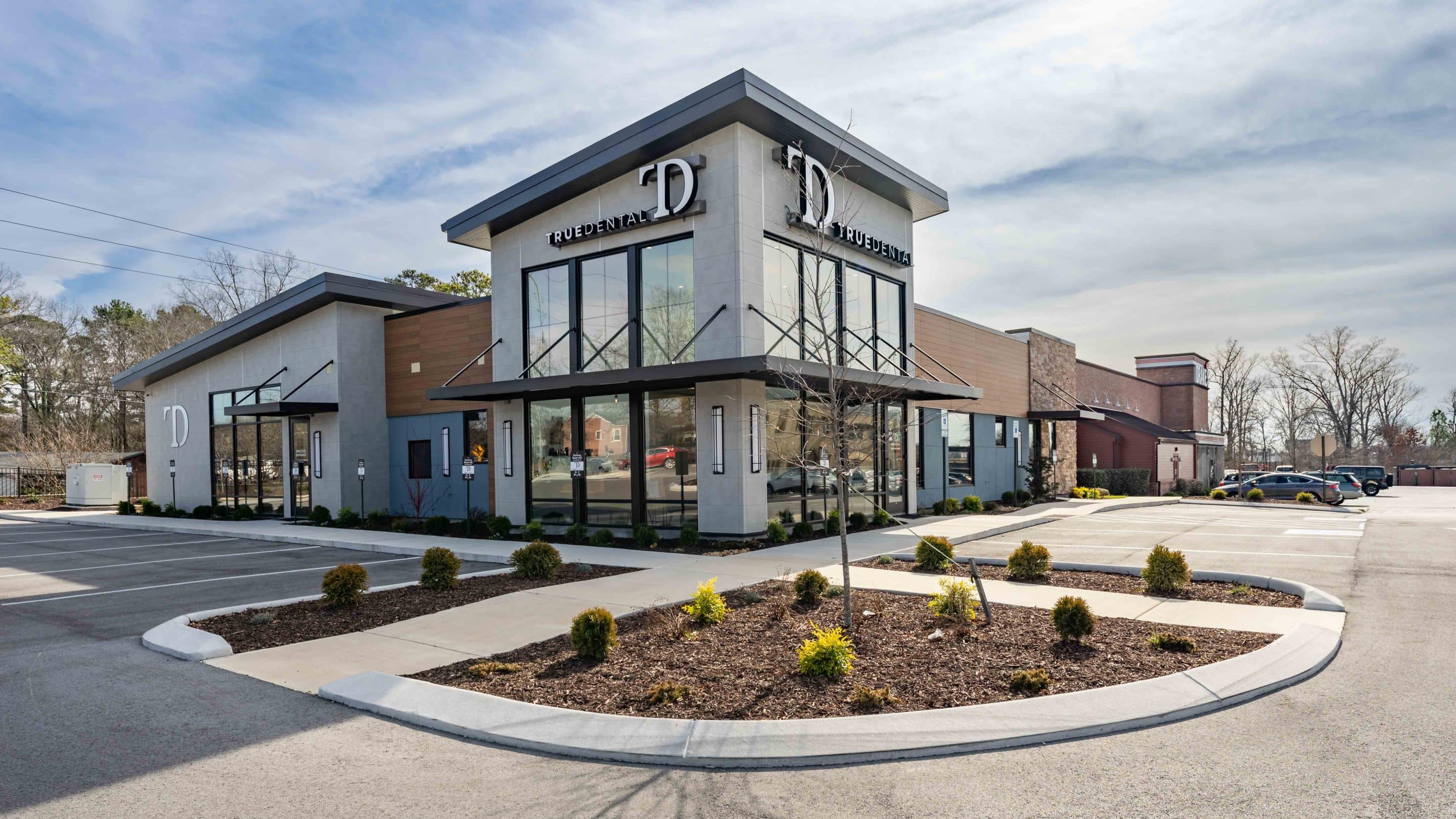
Should I build my dental office from the ground up?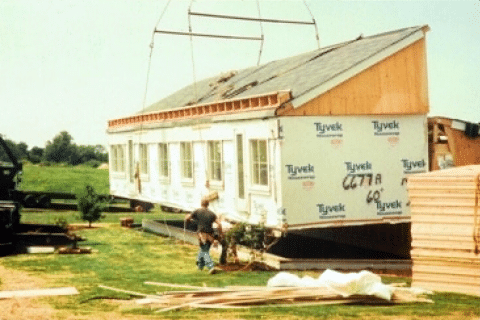
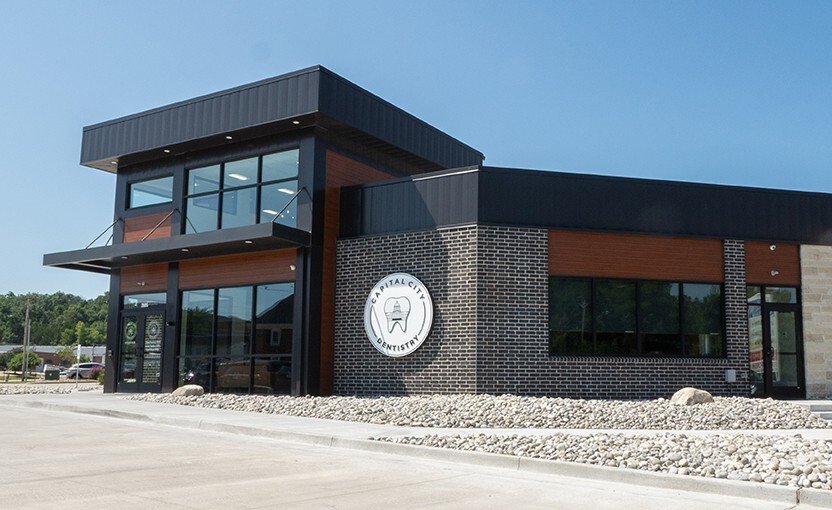
Ground-up construction offers complete design freedom but requires the most significant upfront investment. Approvals, land cost, and bank requirements are often the biggest hurdles.
Many of the same location factors still apply: visibility, access, traffic flow, surrounding anchors, and demographics. But for ground-up projects, these become non-negotiable because you’re creating a practice from scratch.
Check out this blog post to learn more information on how to choose a site for your practice.
What should I focus on for a ground-up dental office location?
Focus on:
- Traffic-driven visibility: If people can’t see you or easily recognize the building, nothing else matters.
- Easily accessible parking: Smooth turn-ins, safe exits, and enough close parking are non-negotiable.
- Strong surrounding anchors: Big-box, daily-needs retail, and synergistic health businesses create the patient flow you want.
- Demographics that match your ideal patient mix: Income, age, education, and psychographics dictate long-term viability more than rent does.
So, Should I Rent, Renovate, or Build My Dental Office?
The real question isn’t which option is cheapest, it’s which option supports your practice five, ten, and twenty years from now.
- Rent if you need flexibility and speed, but plan for growth
- Renovate if the bones support modern dentistry
- Build if you want control, scalability, and long-term value
The earlier you evaluate these choices strategically, the fewer expensive surprises you’ll face later. Before committing to any space, get clarity on your growth goals, ideal patient mix, and long-term vision. Your building should serve the practice, not limit it.
If your goal is to create something exceptional, start with the team that knows how to get you there. Schedule a meeting with a practice advisor today to start the journey to your dream office.
Topics:

.png?width=1500&height=788&name=Untitled%20design%20(16).png)

.jpg?width=1280&height=720&name=maxresdefault%20(6).jpg)
.jpg?width=1280&height=720&name=maxresdefault%20(5).jpg)
