
Designing a new dental office is the most consequential decision you’ll make as an owner. The space you create will influence productivity, patient experience, staffing, and growth for decades... not just opening day.
At Design Ergonomics, we’ve seen many costly mistakes happen early during the planning process, not because dentists make bad choices, but because the process itself often encourages shortcuts, assumptions, and premature commitments.
If you feel pressure to move fast, you’re not alone. The project's sequence makes it easy to skip steps that protect you later. The good news: these pitfalls are completely avoidable with the right planning sequence.
Here are five pitfalls to avoid if you want your office to support your practice rather than limit it.
1. Designing Before Defining Your Practice
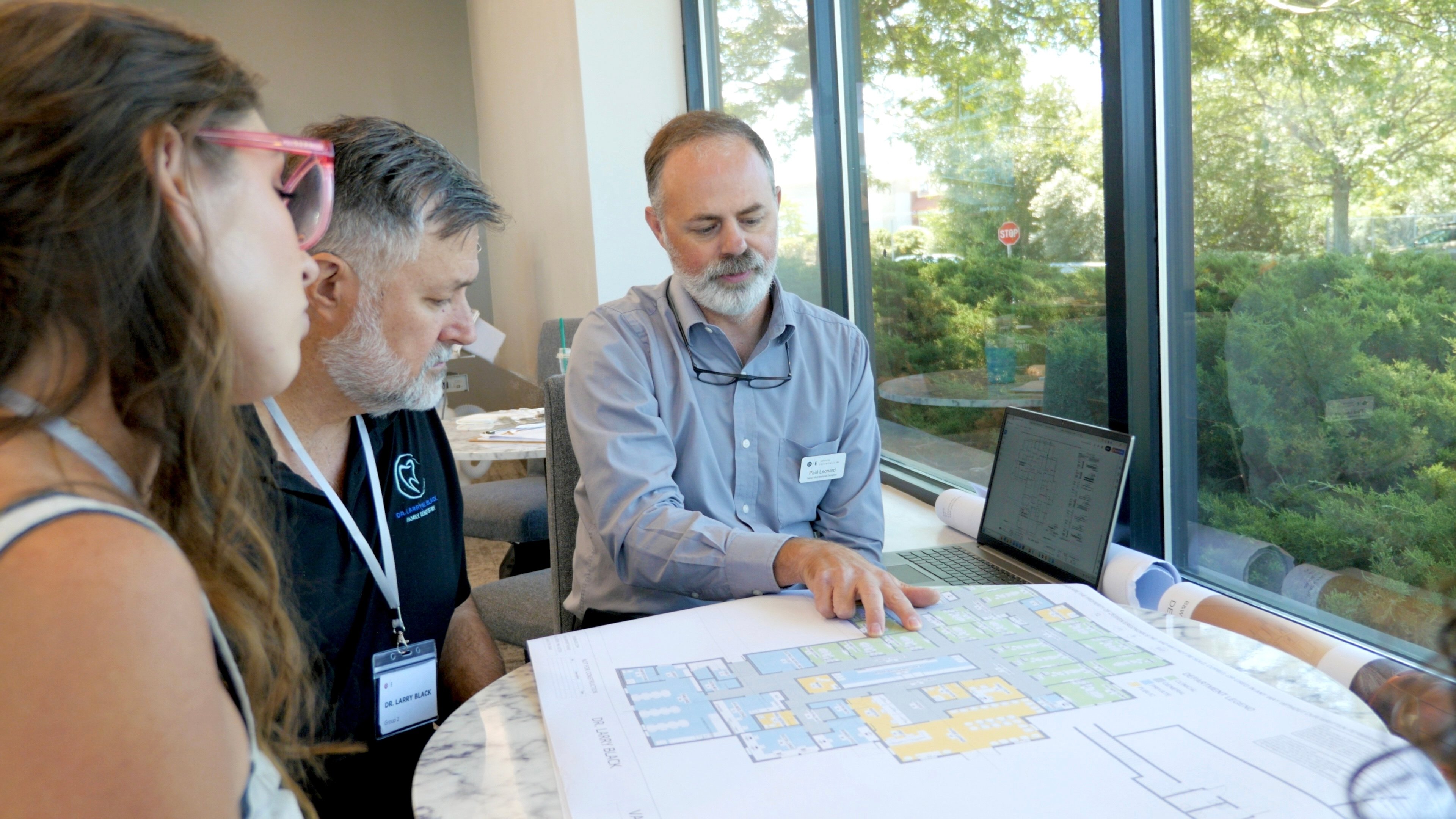
The most common mistake when designing a new dental office is jumping straight into building before clearly defining the practice vision itself.
Too often, layouts and finishes are selected before the practice itself is clearly defined. Without a clear business plan, design decisions become reactive. Room adjacencies are driven by habit, and equipment choices are made in isolation. The result is a building that dictates how you practice, rather than supporting how you intend to practice.
At Design Ergonomics, design is always a response… not a starting point. Your production model, staffing strategy, patient flow, and growth timeline must come first. When those are clearly defined, the design naturally aligns with performance instead of working against it.
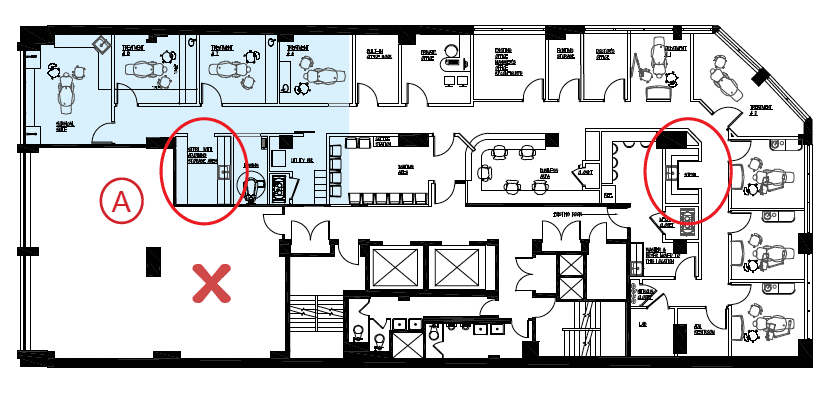
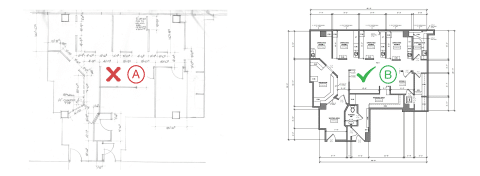
2. Skipping the Blocking Diagram
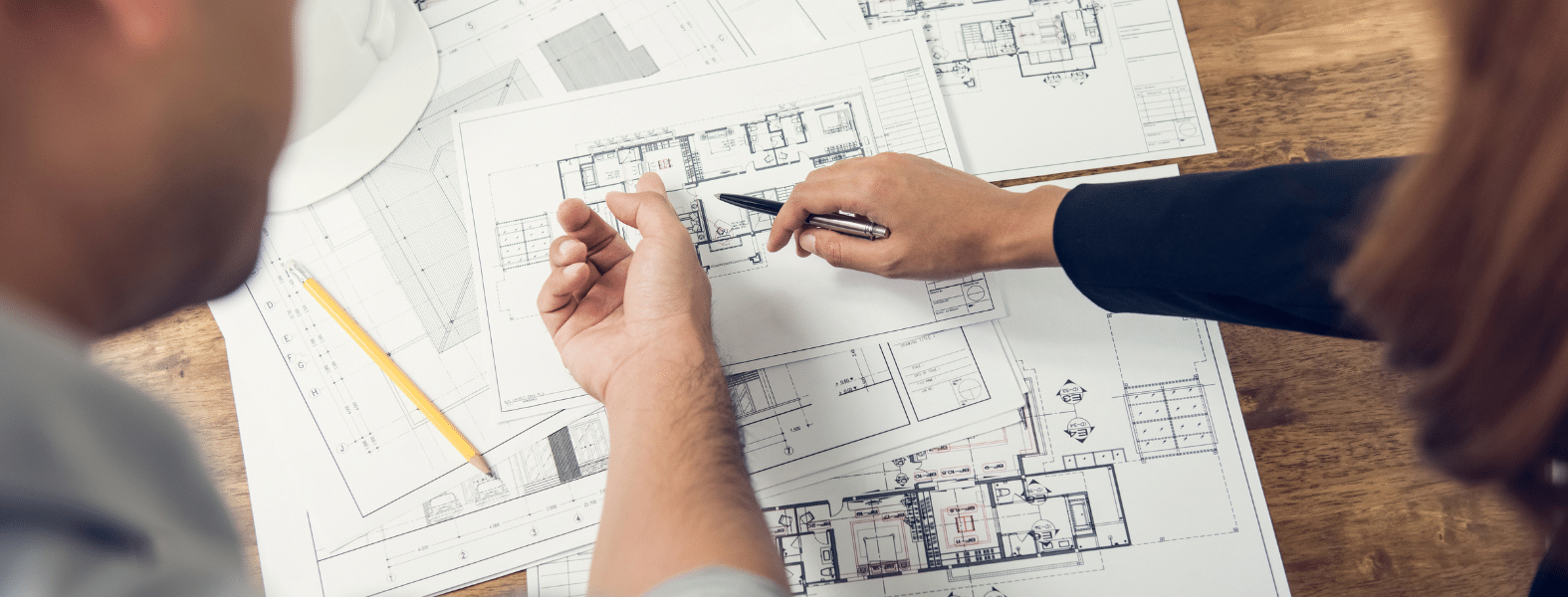
Blocking diagrams are one of the most powerful, yet overlooked, steps in dental office planning.
Also known as "Bubble Diagrams" or “Programming,” Blocking Diagrams allow you to test workflow, spatial relationships, and capacity before committing to detailed drawings.
At Design Ergonomics, we use Blocking Diagrams to quickly and efficiently capture workflows and spatial capacity, ensuring optimal office flow. We often explore six or seven layout options internally and iterate multiple rounds before ever presenting a recommendation. This process confirms whether a site can support your operatory count, support spaces, mechanical needs, and future expansion.
Skipping this step may feel faster, especially when you’re eager to “see real rooms.” In reality, it simply postpones the hard decisions until later when revisions are expensive, stressful, and disruptive.
And be prepared, because if you are trying it yourself, this process can actually be quite challenging!
3. Treating Floor Plan and Interior Design as Separate Phases
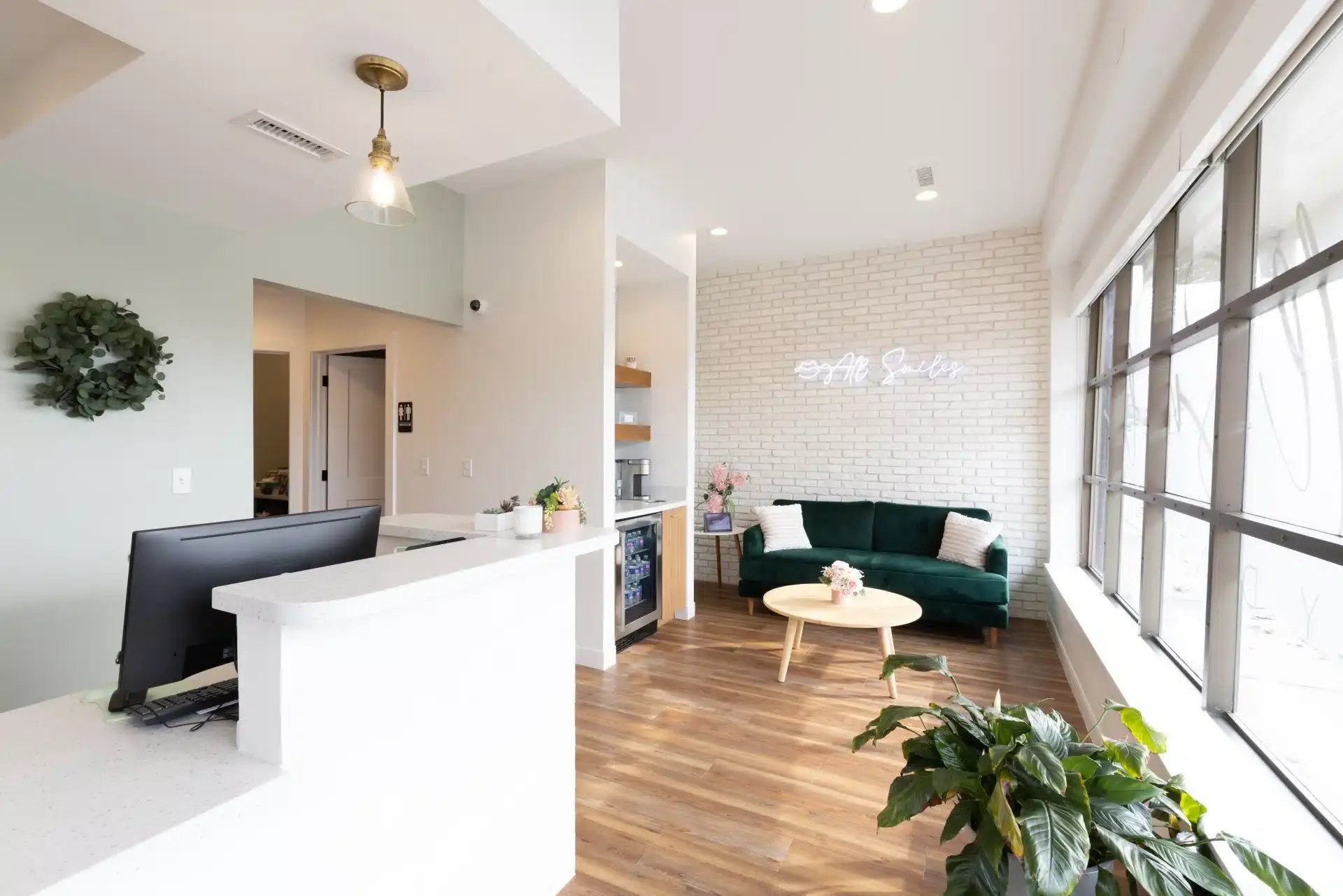
When layout and interior design are treated as sequential or siloed phases, friction is inevitable.
Materials affect clearances, cabinetry affects circulation, and lighting, ceiling design, and acoustics shape both mechanical systems and clinical comfort. When these decisions are made independently, conflicts emerge over time and ultimately lead to compromises.
An integrated approach in which floor plans and interiors are developed together leads to fewer revisions, tighter budgets, and a space that works as well as it looks. Performance and aesthetics are not opposing goals when they are designed in unison.
Curious about how to design your practice? Discover your interior design preferences with this simple quiz!
4. Equipment Timing: Too Early or Too Late Can Cost You
.png?width=2560&height=1707&name=image%20(11).png)
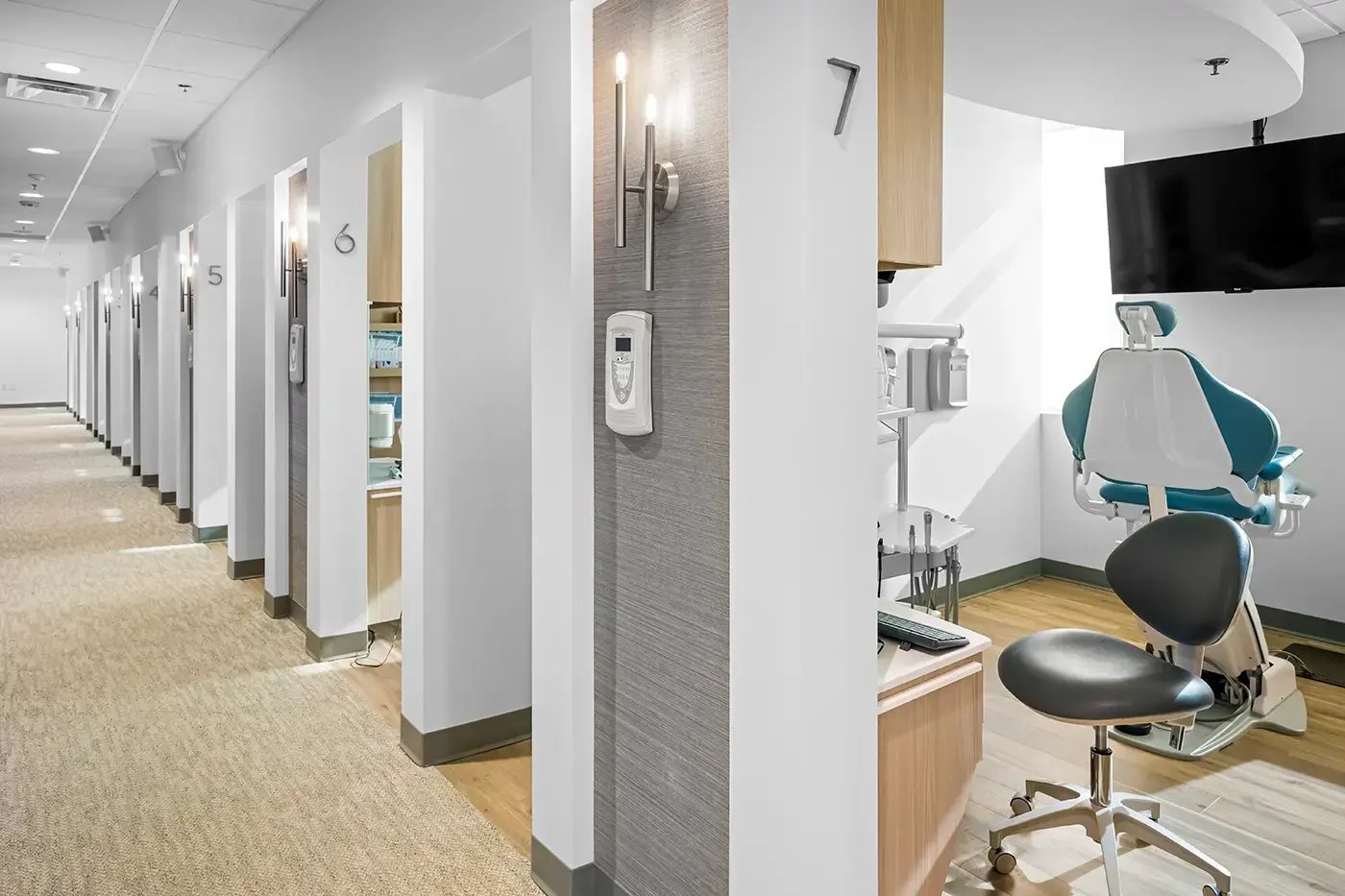
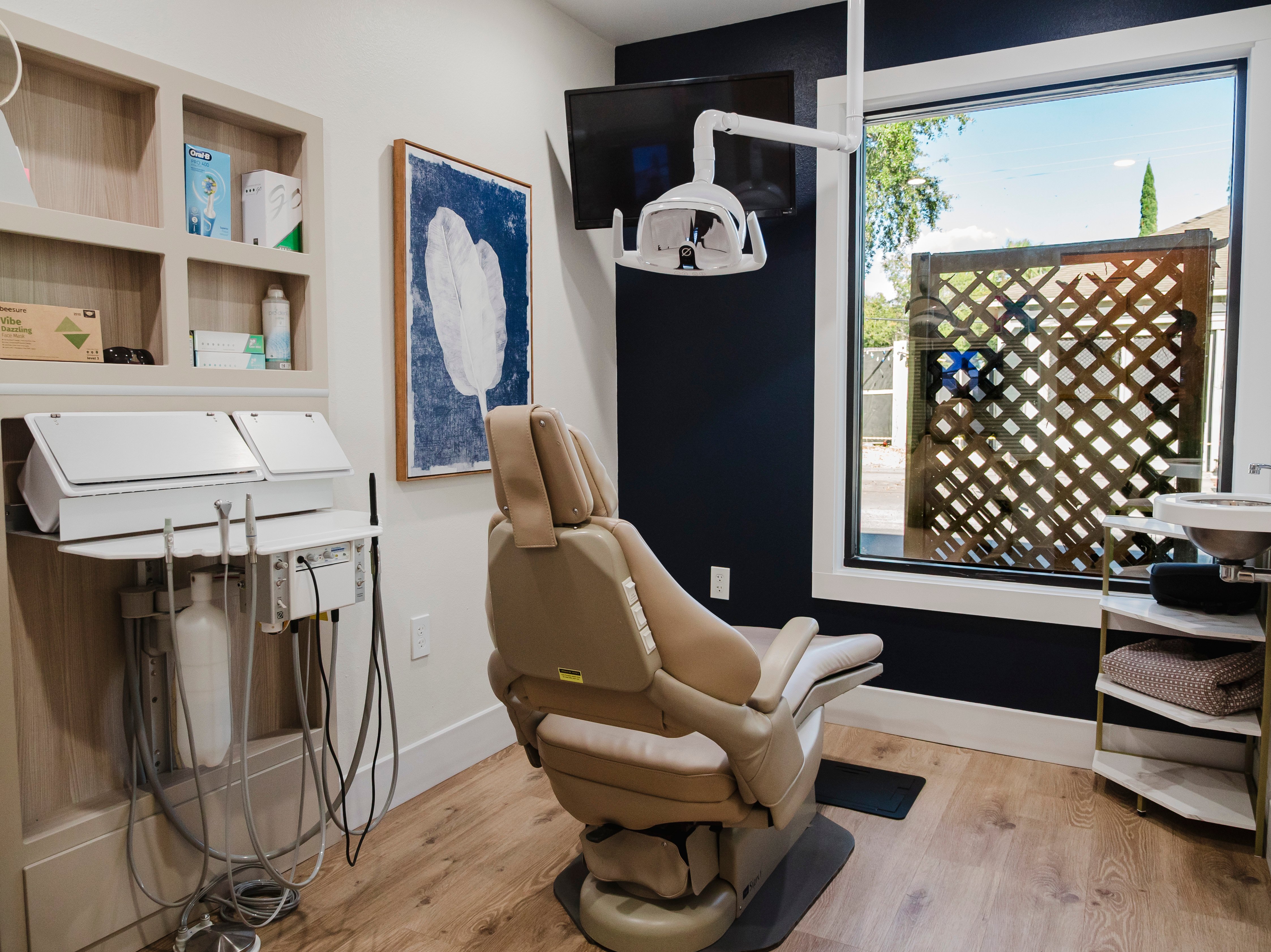
Equipment decisions shape the building more than most dentists realize.
Beyond purchasing, equipment affects room dimensions, utilities, structural support, infection control planning, and long-term flexibility.
Finalizing equipment too late forces designers to rely on assumptions and allowances that carry into bidding and permitting, often resulting in redesigns, delays, or change orders. Locking equipment too early, without proper planning, can be just as limiting.
The goal isn’t to prematurely lock brands. It’s to lock requirements at the right time so the building is designed for reality, not guesswork. When equipment is coordinated prior to bidding and permitting, the entire project moves forward with clarity and confidence.
5. Ignoring Pre-Opening Training and Systems

A finished office is not the same as a ready office.
Many startups struggle in their first months not because of design flaws, but because systems and teams aren’t fully prepared.
At Design Ergonomics, we integrate clinical training into the planning sequence so that your team enters day one with confidence and clarity, not confusion and hesitation. Our Dental Office Efficiency Training begins with a thorough assessment of your current clinical workflows, including operatory organization, resupply processes, sterilization flow, and inventory management.
From there, we build a custom plan tailored to your team’s needs and deliver hands-on, on-site training that systematically eliminates wasteful steps, standardizes daily tasks, and reinforces consistent, efficient clinical habits.
Check out this video here:
When workflows are rehearsed and teams are confident before the first patient arrives, the practice opens with momentum instead of hesitation. Design doesn’t end at construction; it’s realized through people and process.
How can I avoid these mistakes?
Designing a dental office isn’t about avoiding mistakes entirely. It’s about avoiding the ones that are hardest and most expensive to undo.
With the right sequence, the right team, and right preparation, you create a space that supports productivity, flow, and growth from day one… and continues to do so for years to come.
That’s the difference between a practice that fits the building and a building that truly fits the practice.
Want a clear planning sequence you can follow with confidence?
Download the Free Guide: The 5 Step Playbook to Creating Your Dream Office
Our Playbook outlines 5 key project steps we’ve refined over three decades designing exclusively for doctors like you—so you can avoid costly missteps and build a space that supports productivity, growth, and long-term satisfaction.
Topics:
%20(648%20x%20324%20px)-1.png?width=648&height=324&name=cost%20pyramid%20featured%20image%20(3.125%20x%201.823%20in)%20(648%20x%20324%20px)-1.png)