

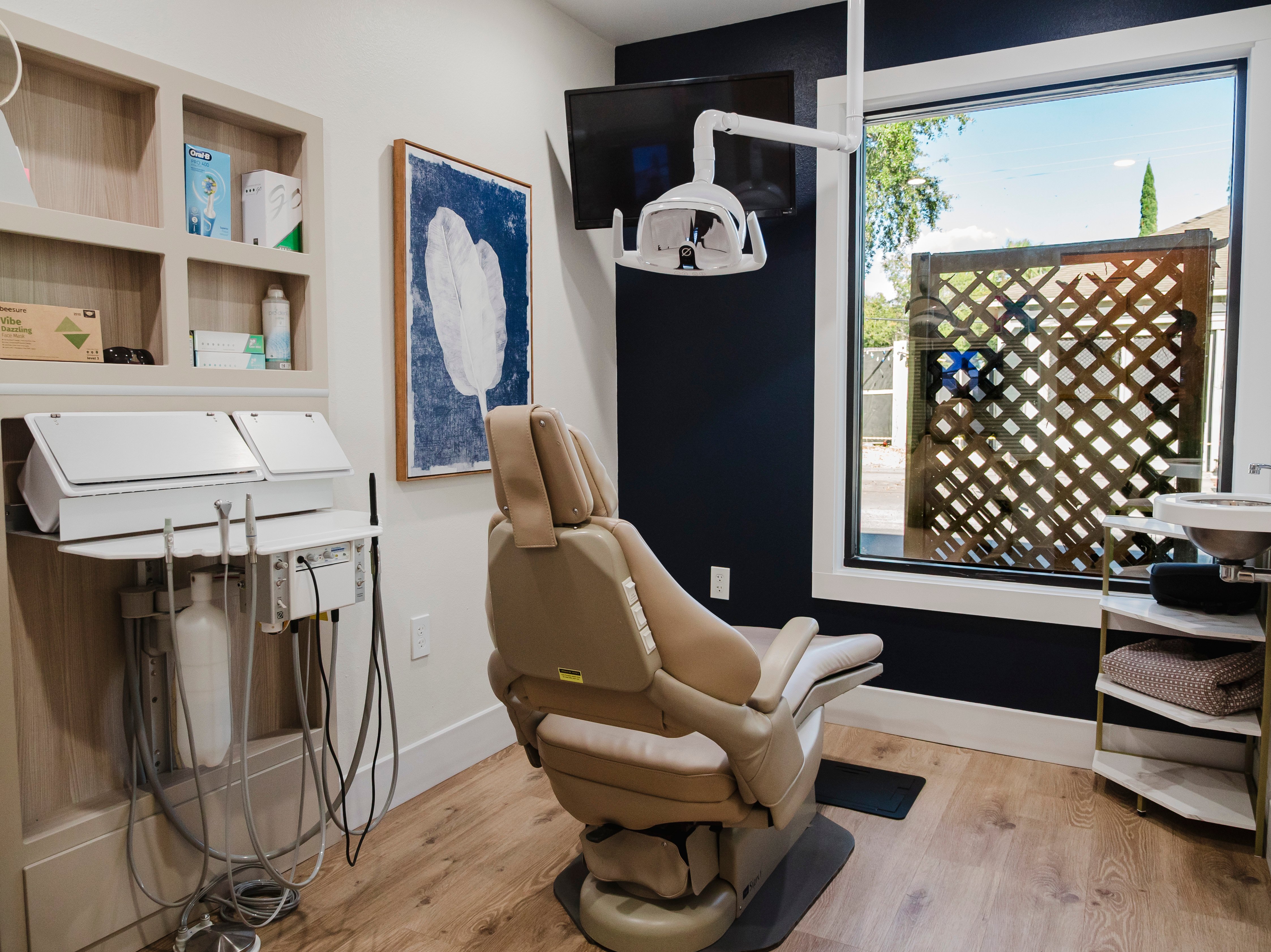
The Challenge
Dr. Daniel May took over a practice his father built from the ground up, one that had served a tight-knit community for decades. But like many long-running offices, the space had been updated in pieces. New technology was added to the existing layout without a cohesive plan, and over time the practice became cluttered, both visually and operationally.

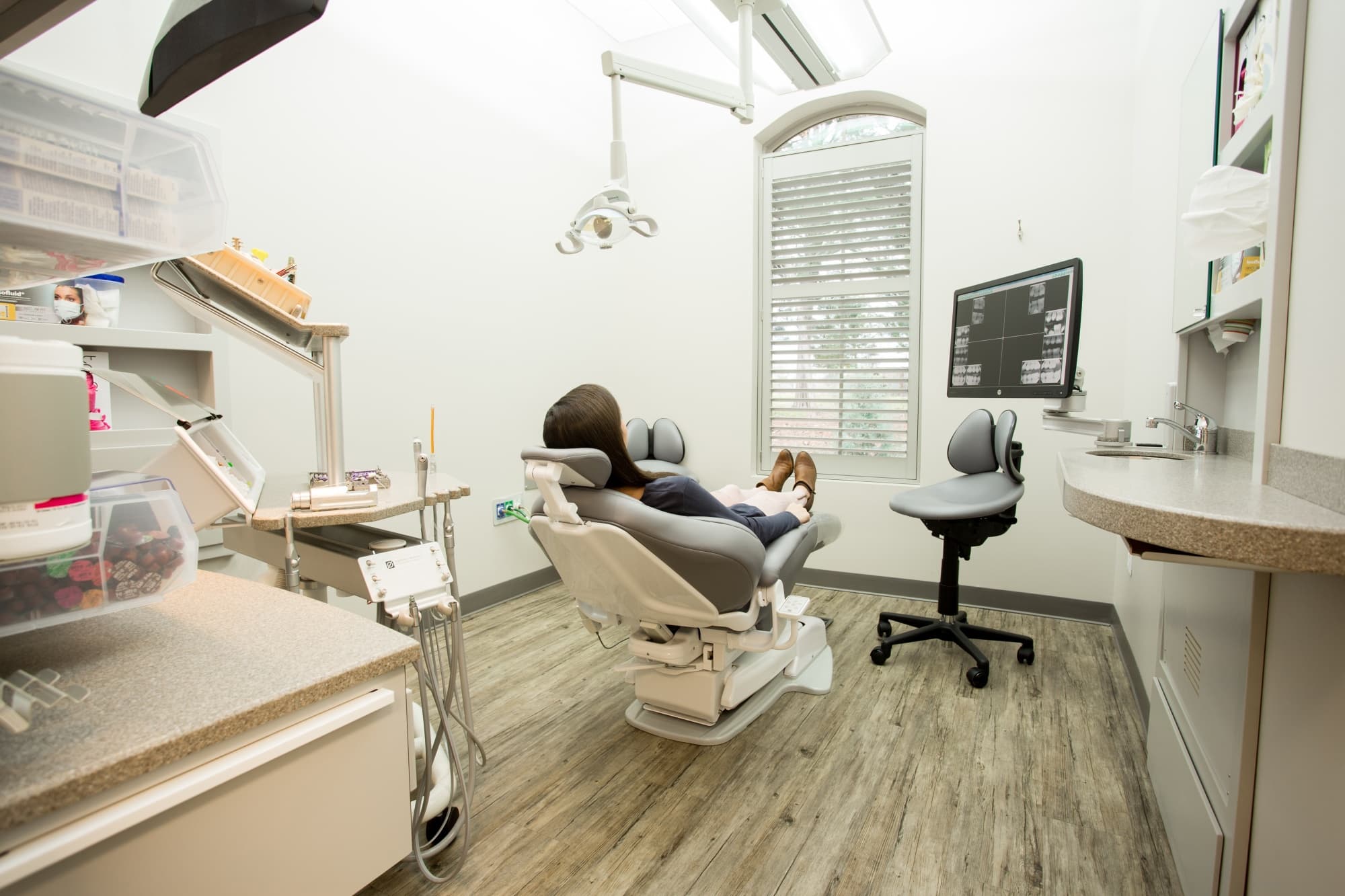
The operatories told the story:
-
Cabinets everywhere
-
“My” items in “my” room
-
Rooms weren’t interchangeable
-
If someone stepped into another operatory, they were lost
That kind of personalization can feel helpful until you need flexibility, faster turnover, cross-coverage, and consistent outcomes. The practice was making it work, but it wasn’t running on a true system.
The Turning Point
Dr. May didn’t want a prettier version of the same chaos. He wanted a practice that could run the same way every time, no matter who was in the room.
And remodeling wasn’t a casual decision. It’s risky: you’re not just choosing equipment. You’re reshaping how the team works, how patients experience the office, and how the business performs day after day.
Dr. May needed a partner who could bring clarity, reduce complexity, and guide the entire process, not just pieces of it.
That’s where Design Ergonomics came in. Instead of juggling separate vendors, Dr. May chose an integrated team approach built to keep everything aligned:
-
Installation
-
Coordination across roles
With a connected team and a clear plan, the practice could transform without losing momentum, and the office could move forward with confidence.
The Transformation
One of the biggest changes was moving away from building rooms around predictions.
Before:
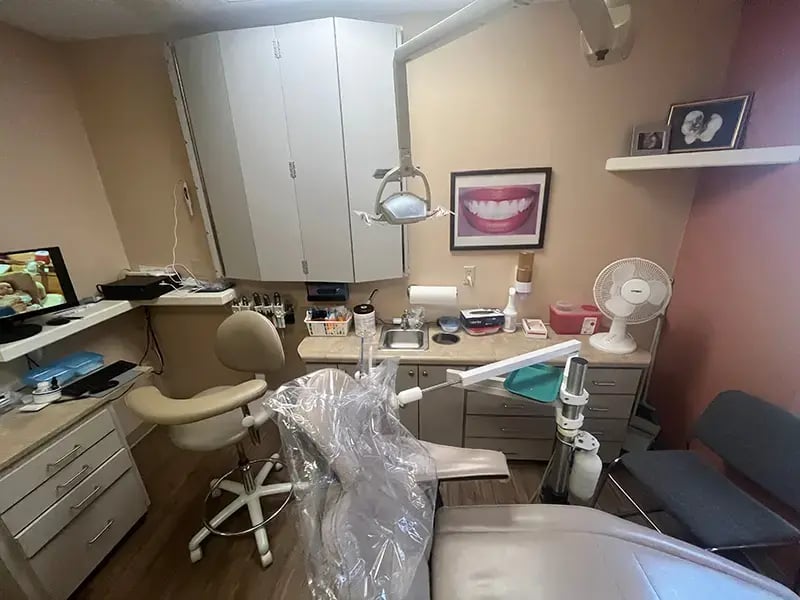
“We know a root canal is happening in this room.”
-
Team pulls everything out in the morning
-
Trays and tools staged on the counter
-
Setup locked to that room and that plan
After implementing the Design Ergonomics "system":
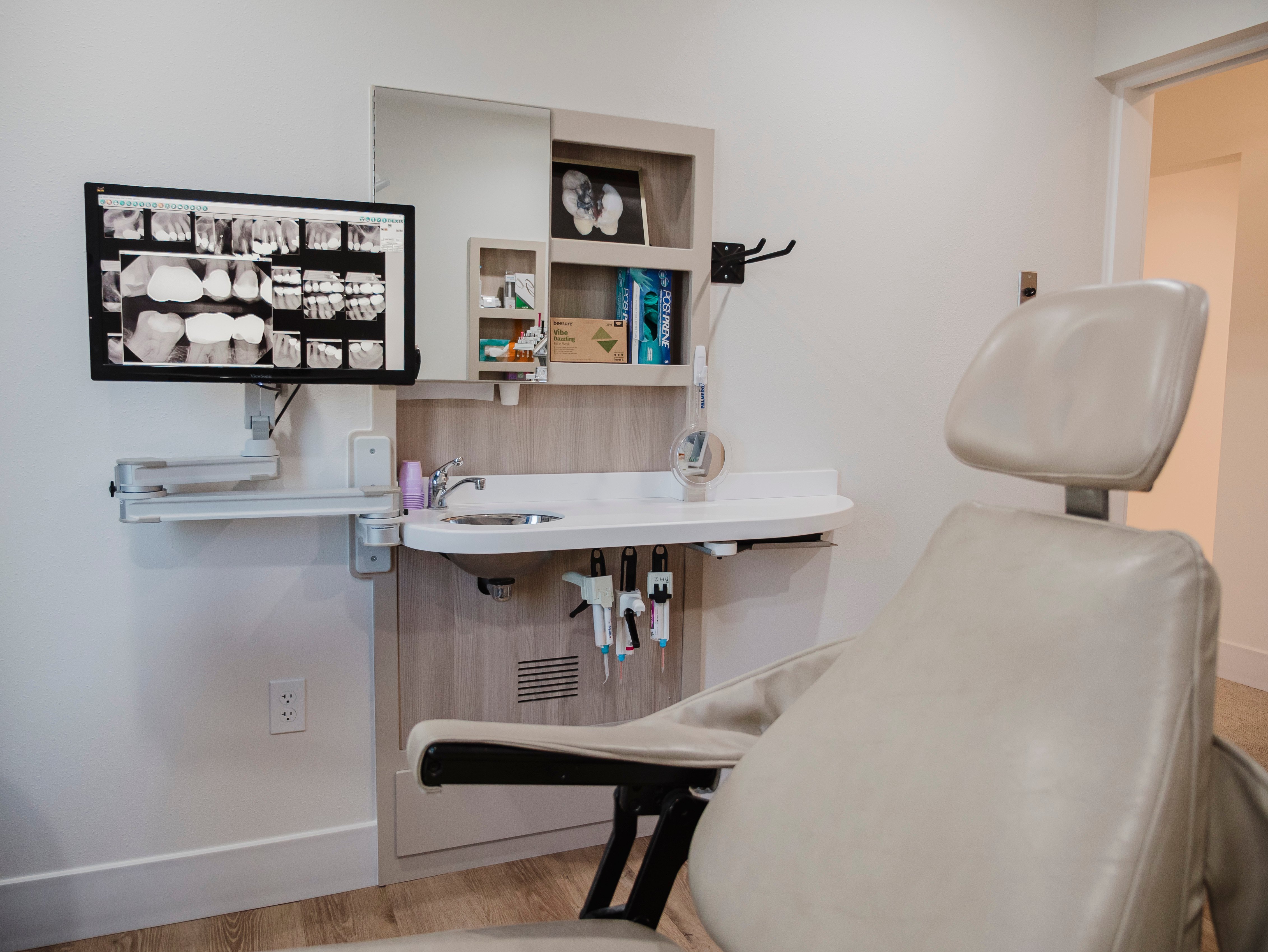
“We need a root canal.”
-
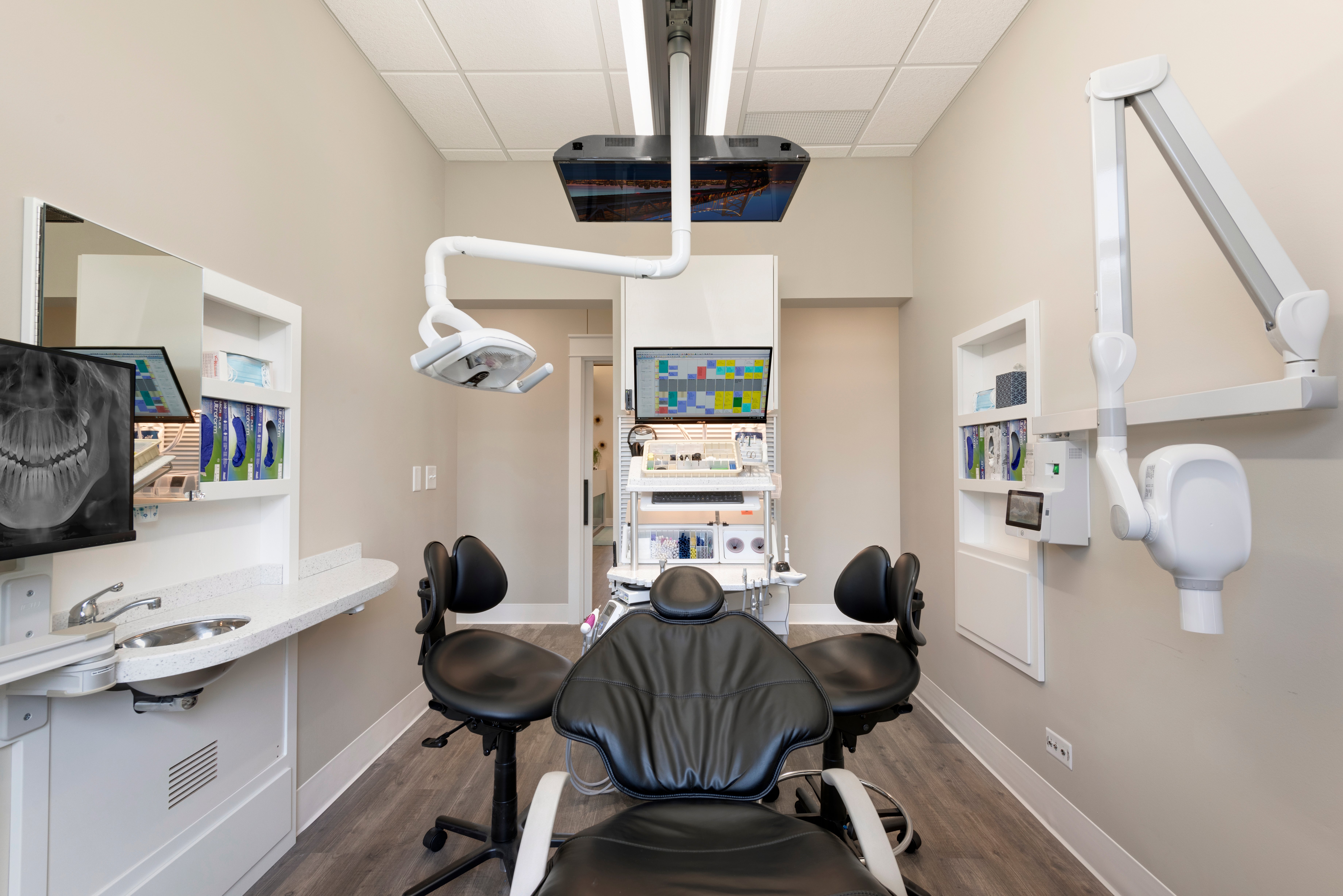
Roll in the cart
-
Procedures have a consistent home base
-
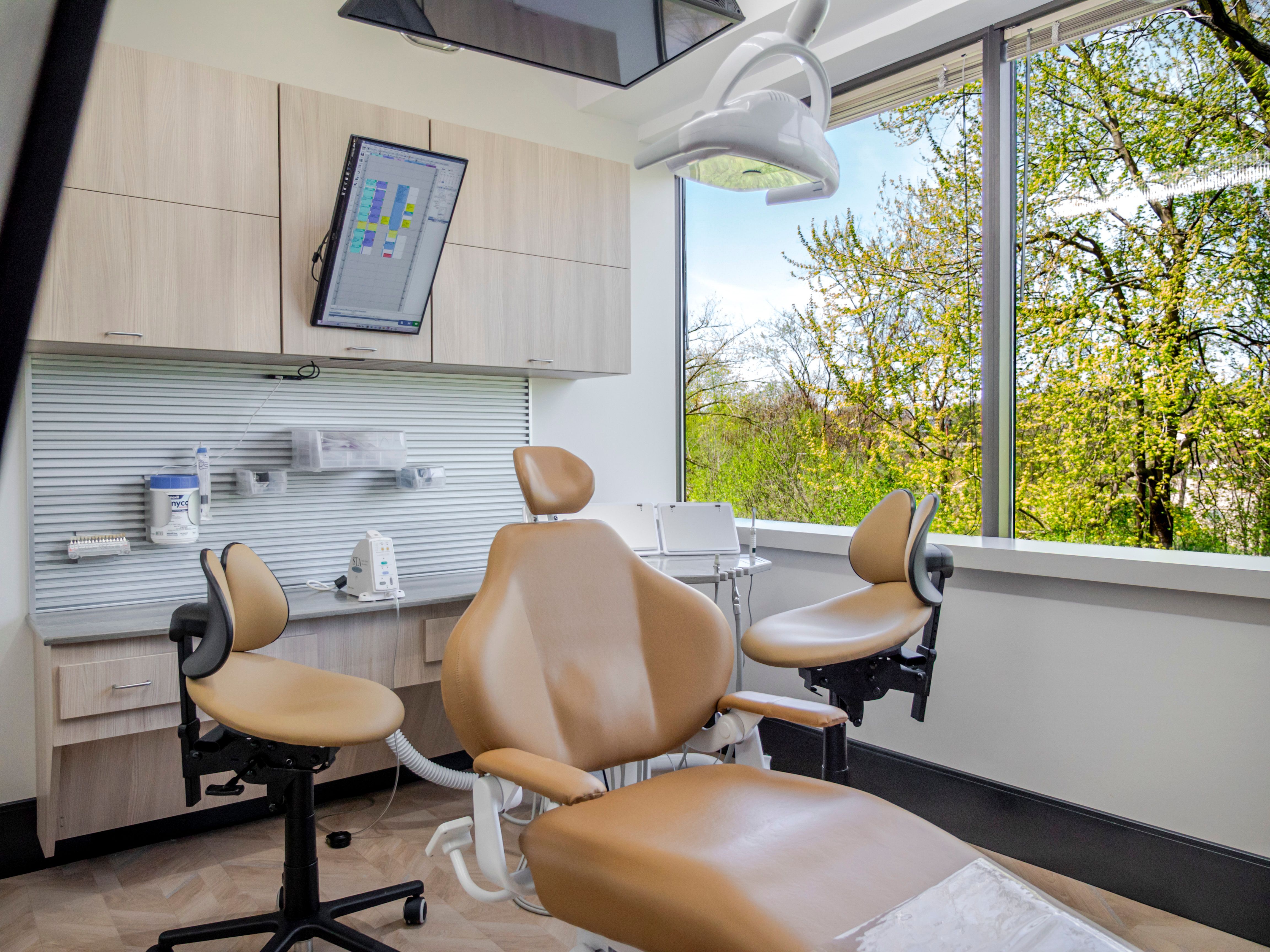
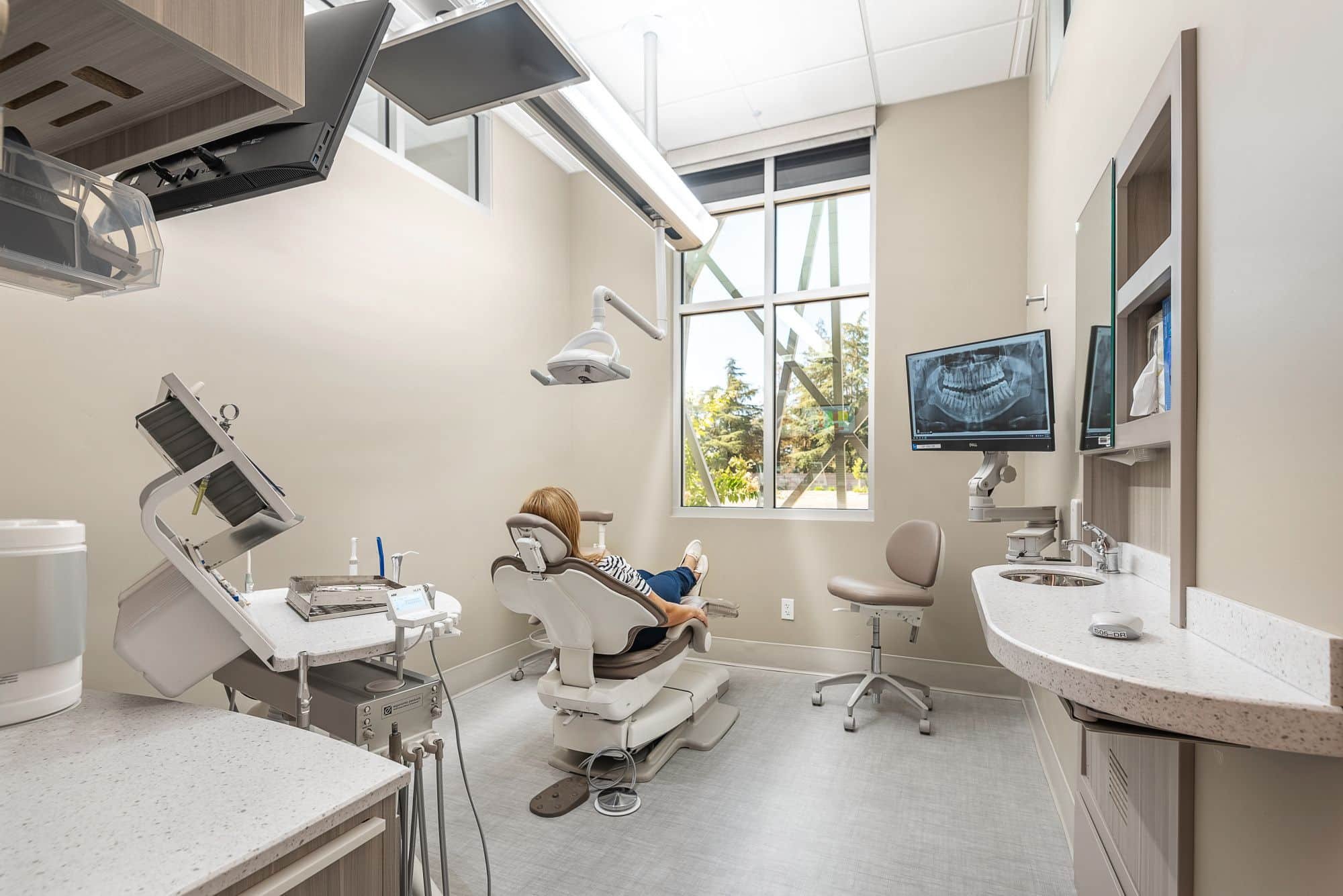
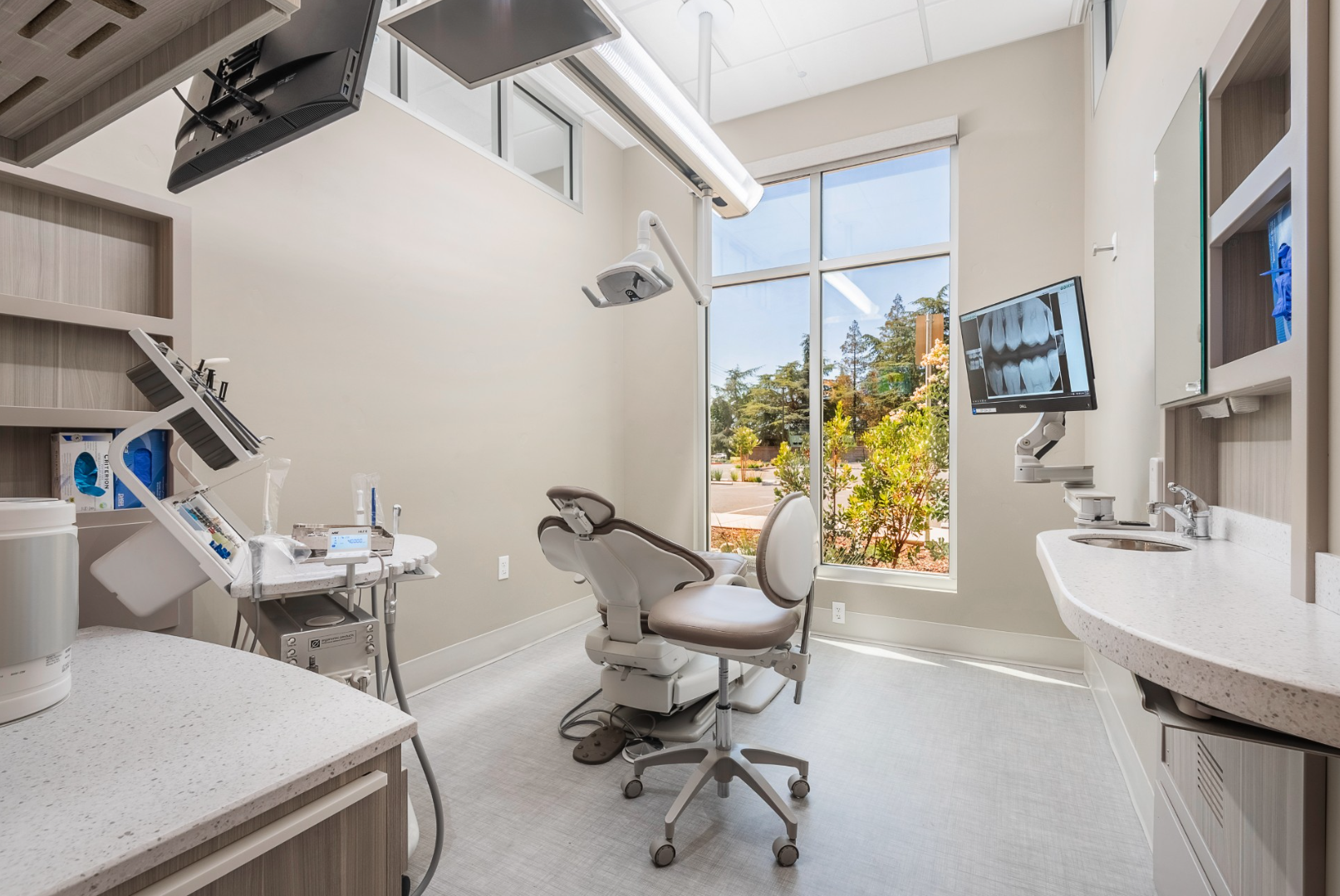
Rooms stay standardized, flexible, and ready
Daniel was skeptical at first. Especially about doing “all this stuff with one cart.” But once the team learned the system, the efficiency proved itself. Standardization created freedom: fewer variables, faster setups, and smoother daily flow.
Clinical Training: Where the Remodel Became Real
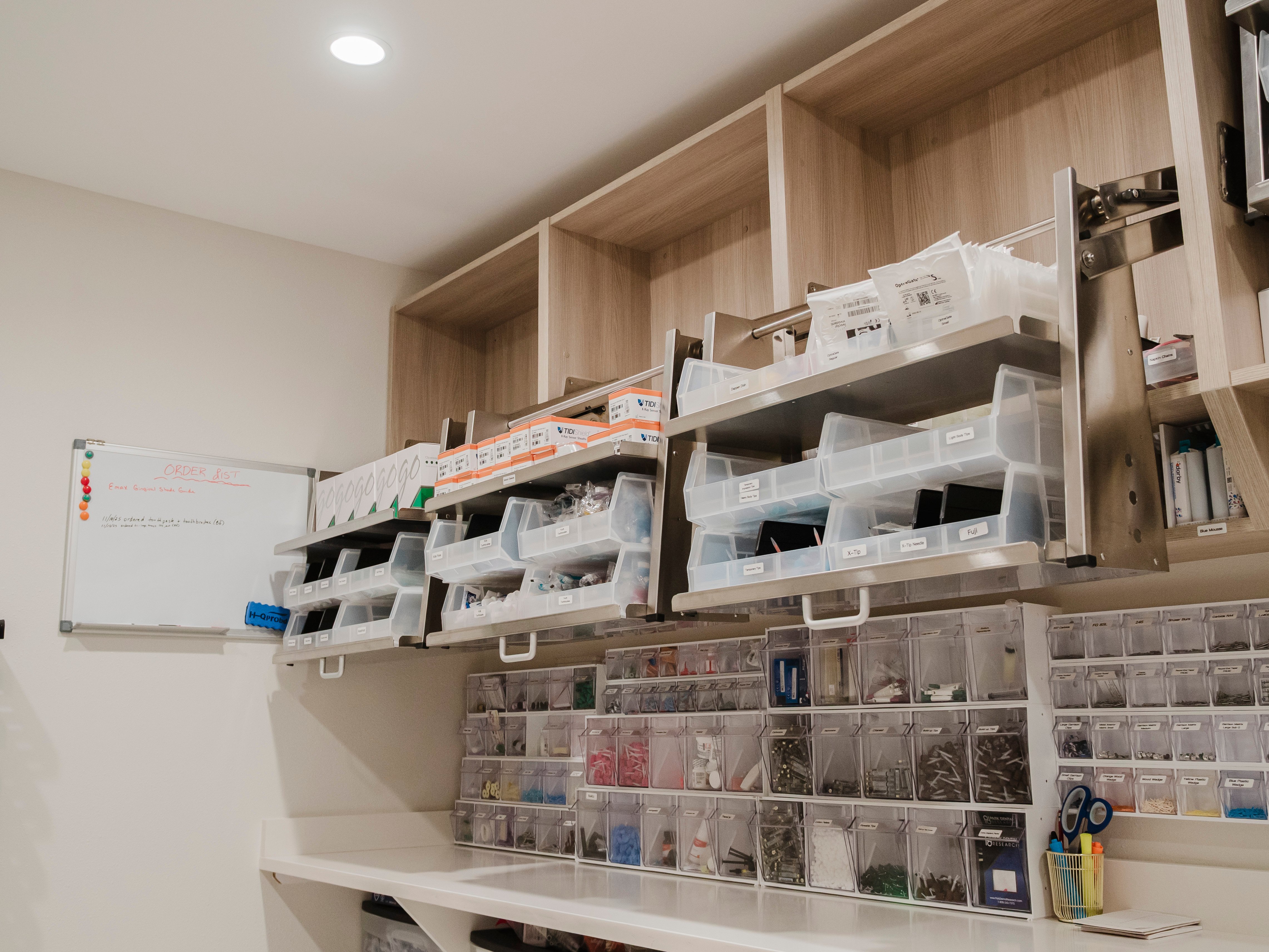
New technology is exciting, but it raises the question most practices don’t plan for: How do we set this up to be efficient every day, with every team member?
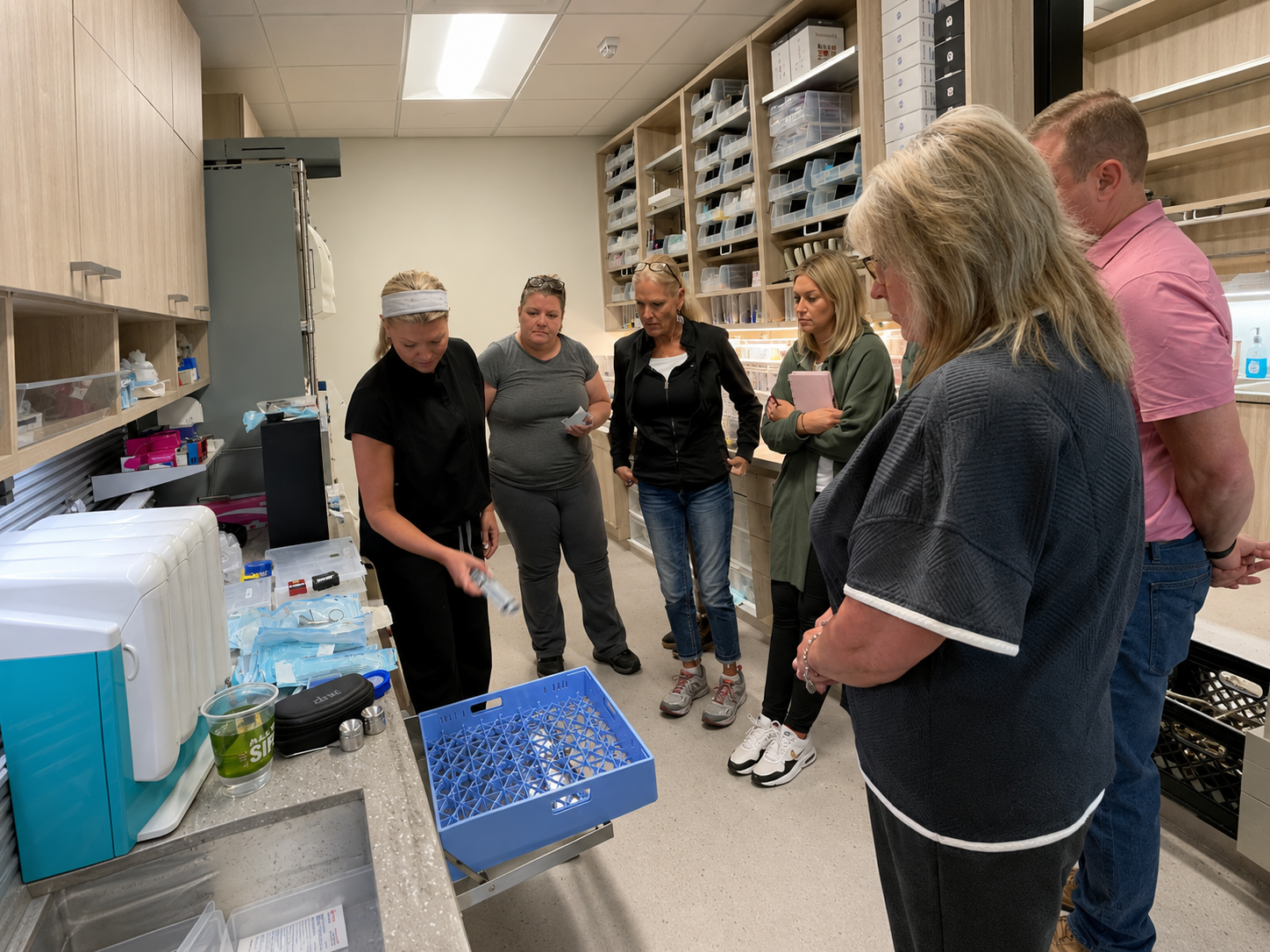
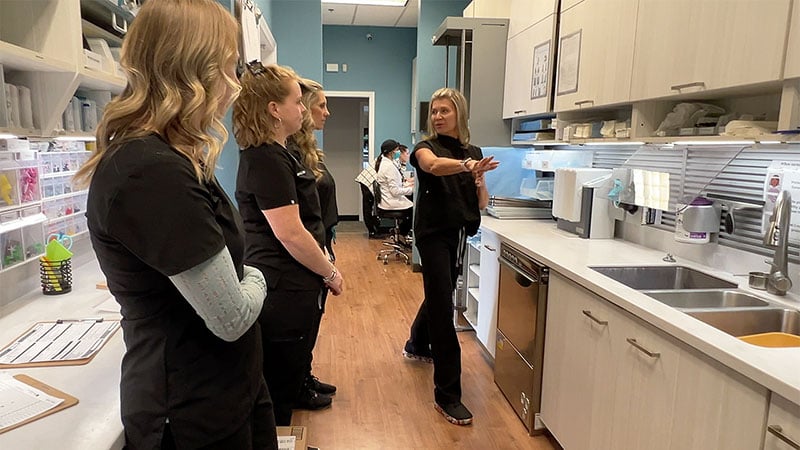
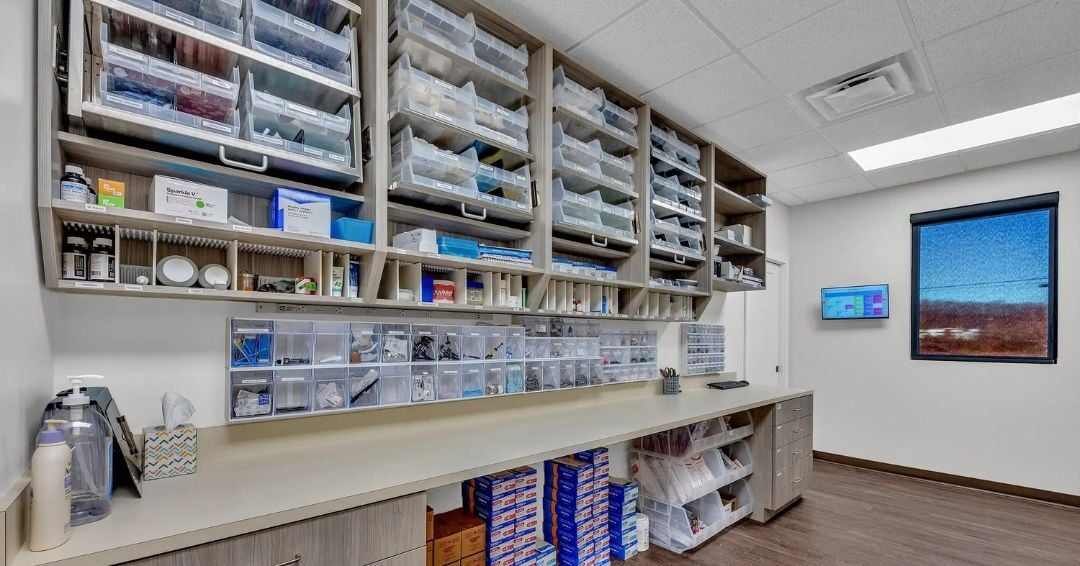
That’s where clinical training made the transformation stick. When Angie Bachman, Director of Clinical Training and Education, visited the office to conduct a two-day hands-on implementation training, she didn’t just deliver “tips.” She helped implement an operational reset, starting with sterilization:
-
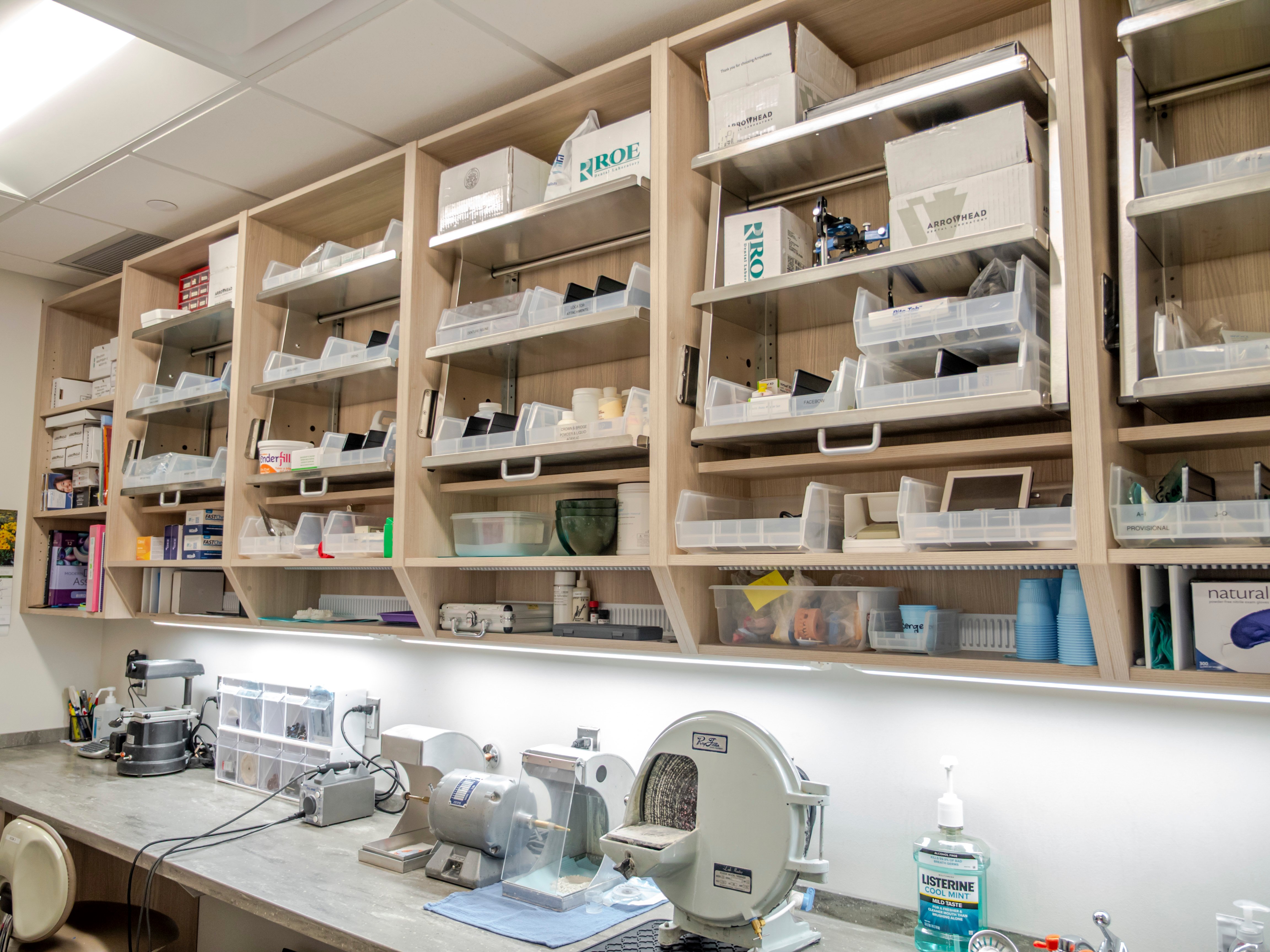
Organized sterilization end-to-end
-
Labeled and standardized the system
-
Built a repeatable workflow the whole team could follow
The team was able to remain open throughout the remodel, serving patients while construction took place around them. Now, on the other side of the project, the practice has a:
-
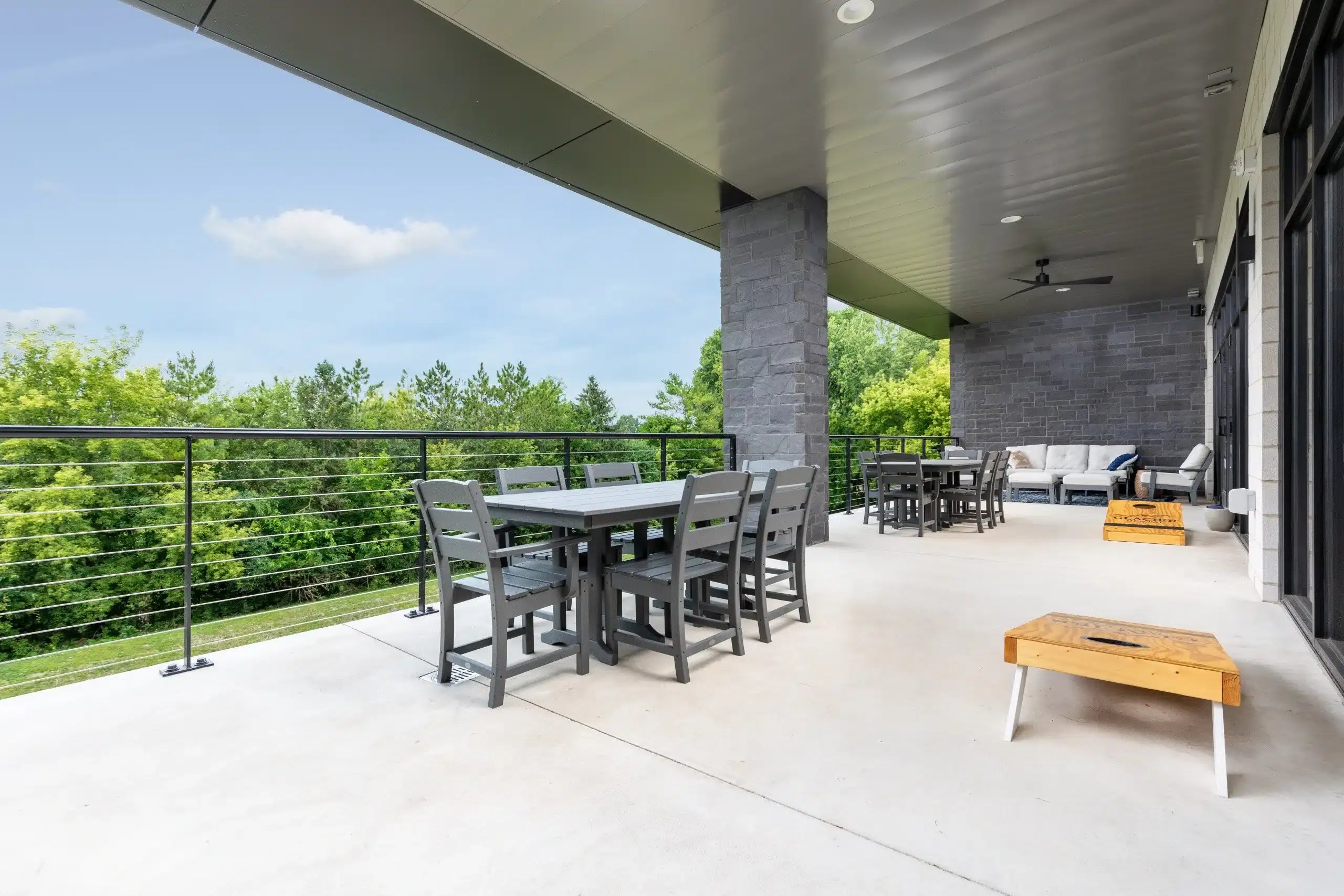
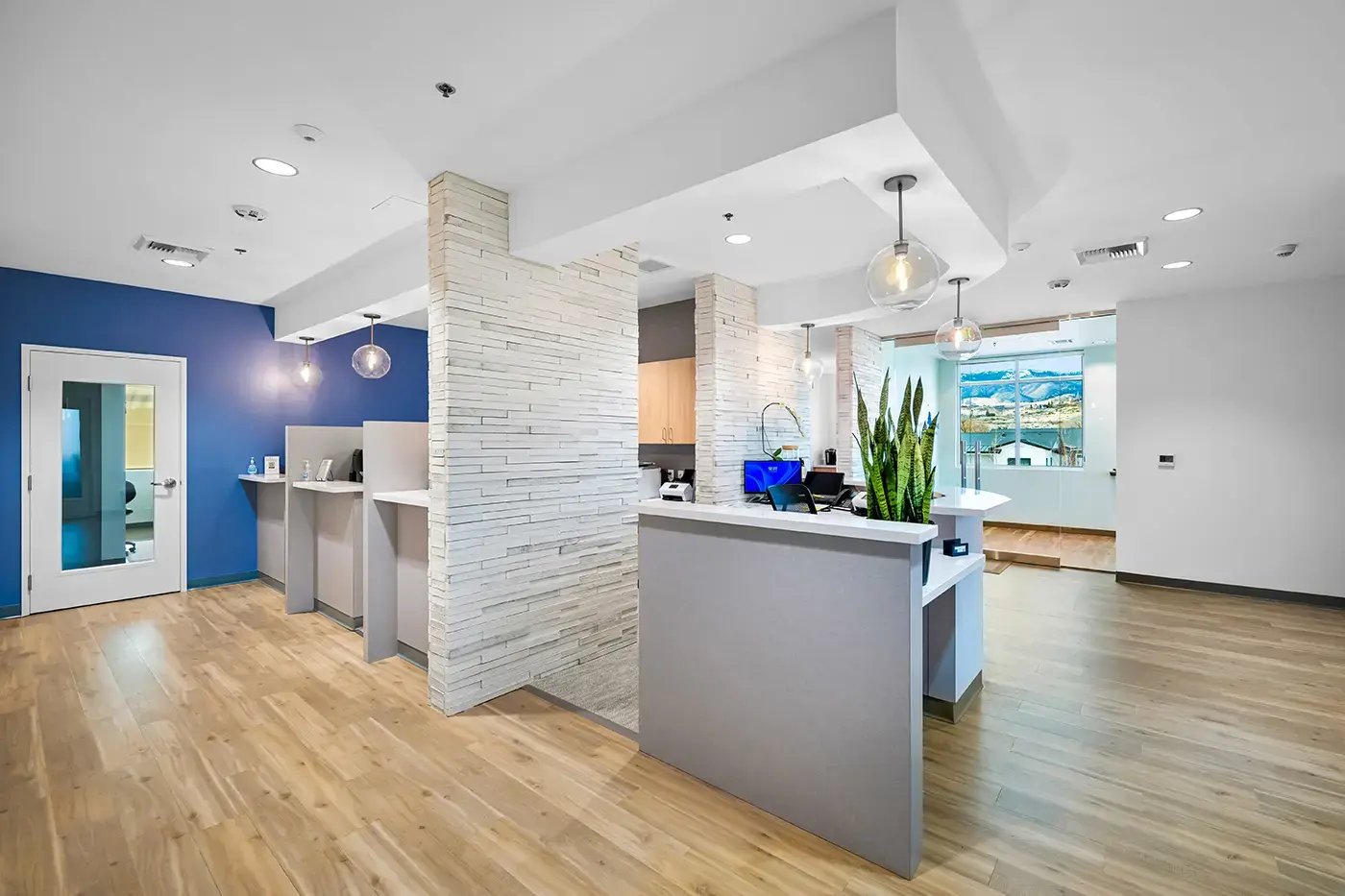
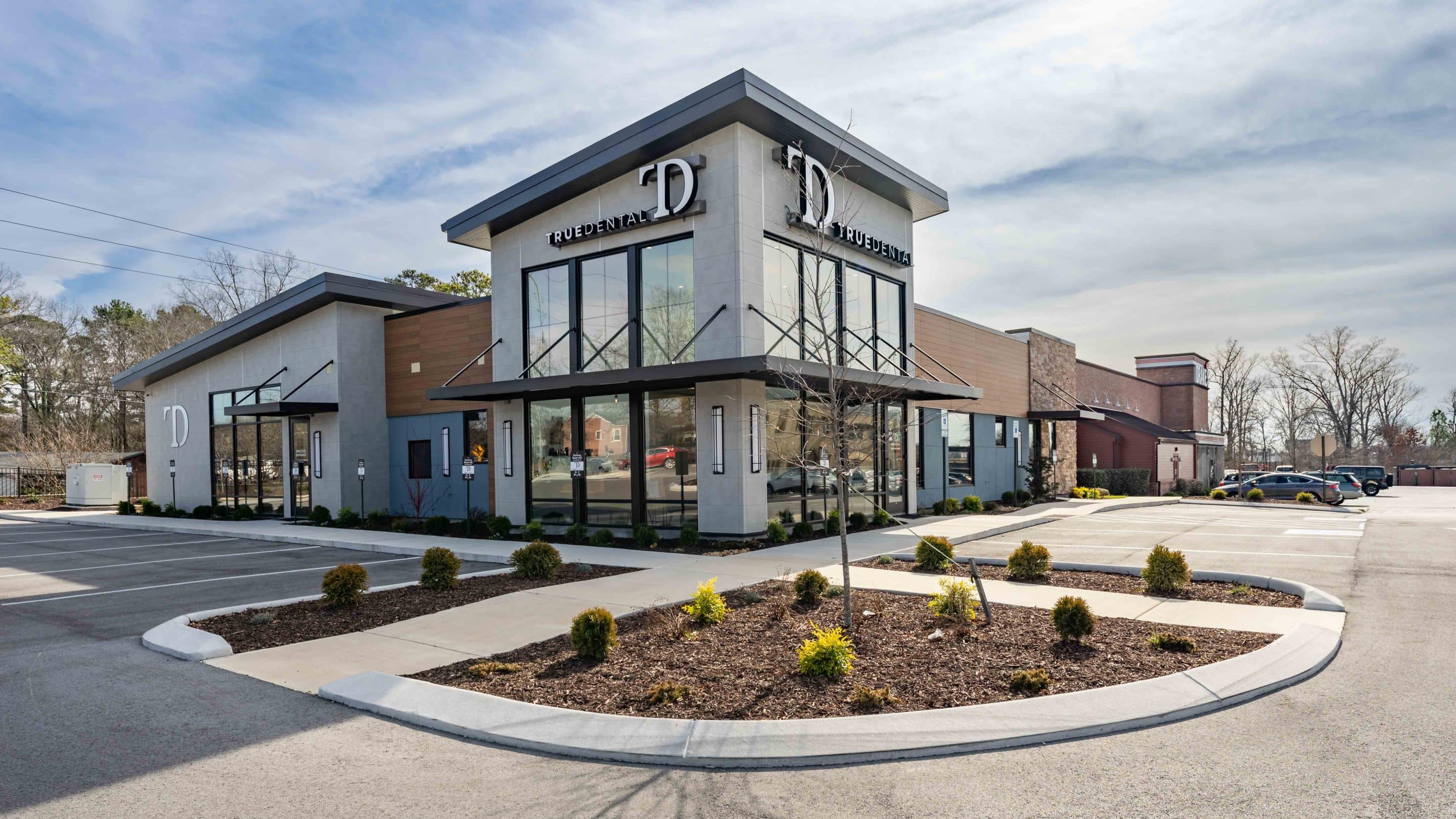
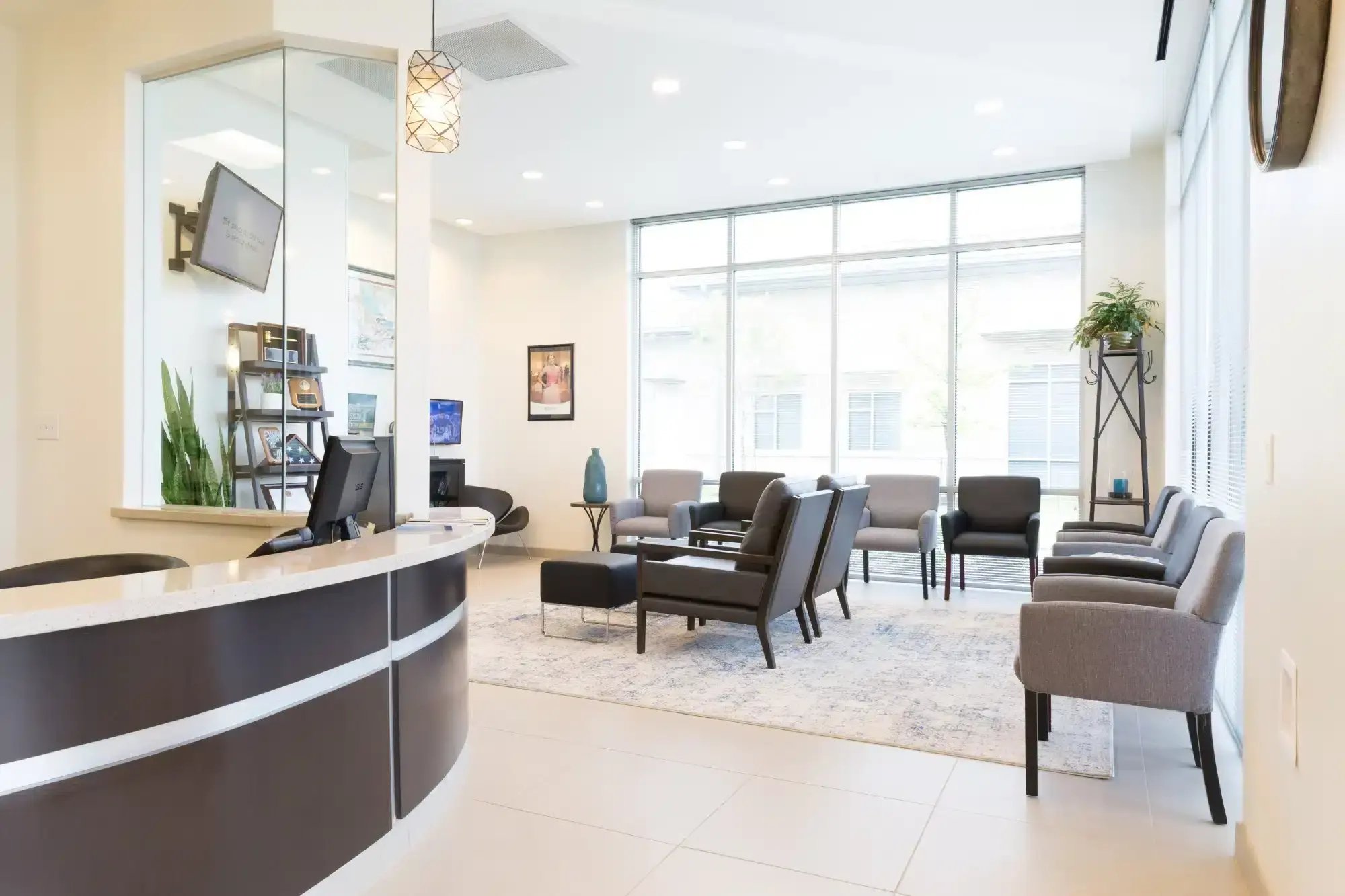
Modern, cohesive environment
-
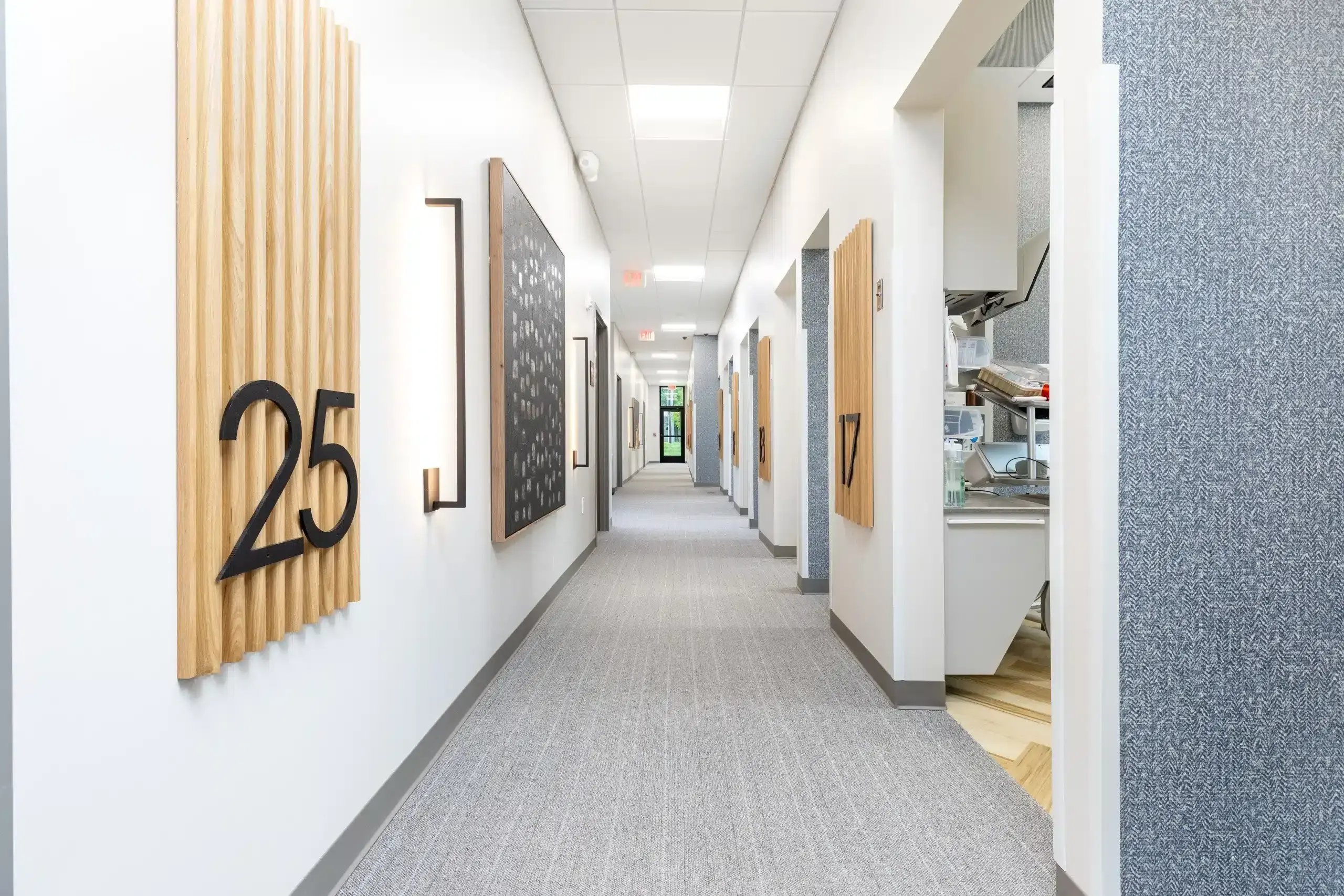
Floor plan built for flow
-
Systems that support consistency and flexibility
-
Team trained to fully use what they invested in
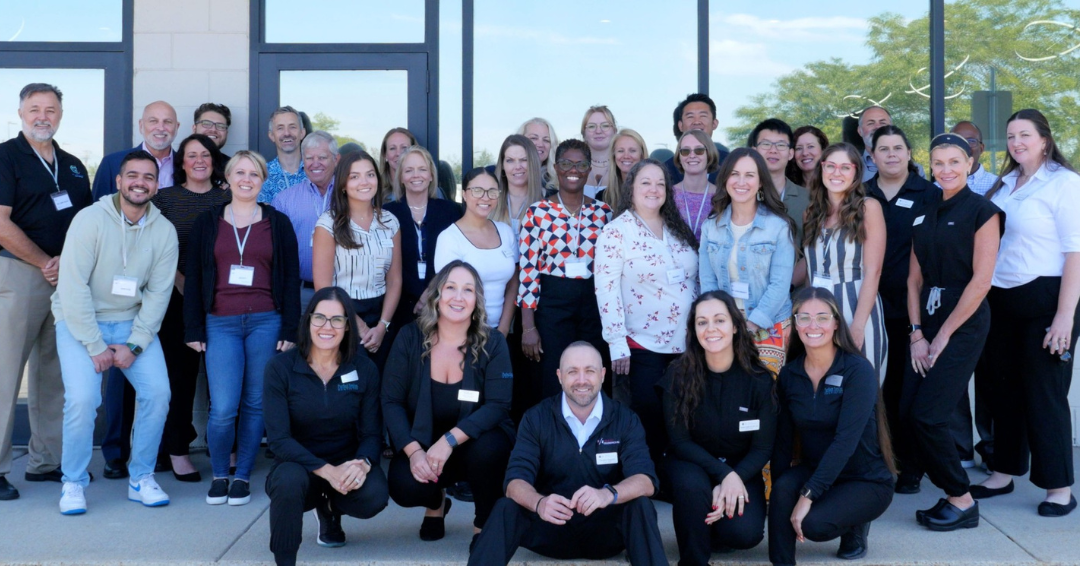
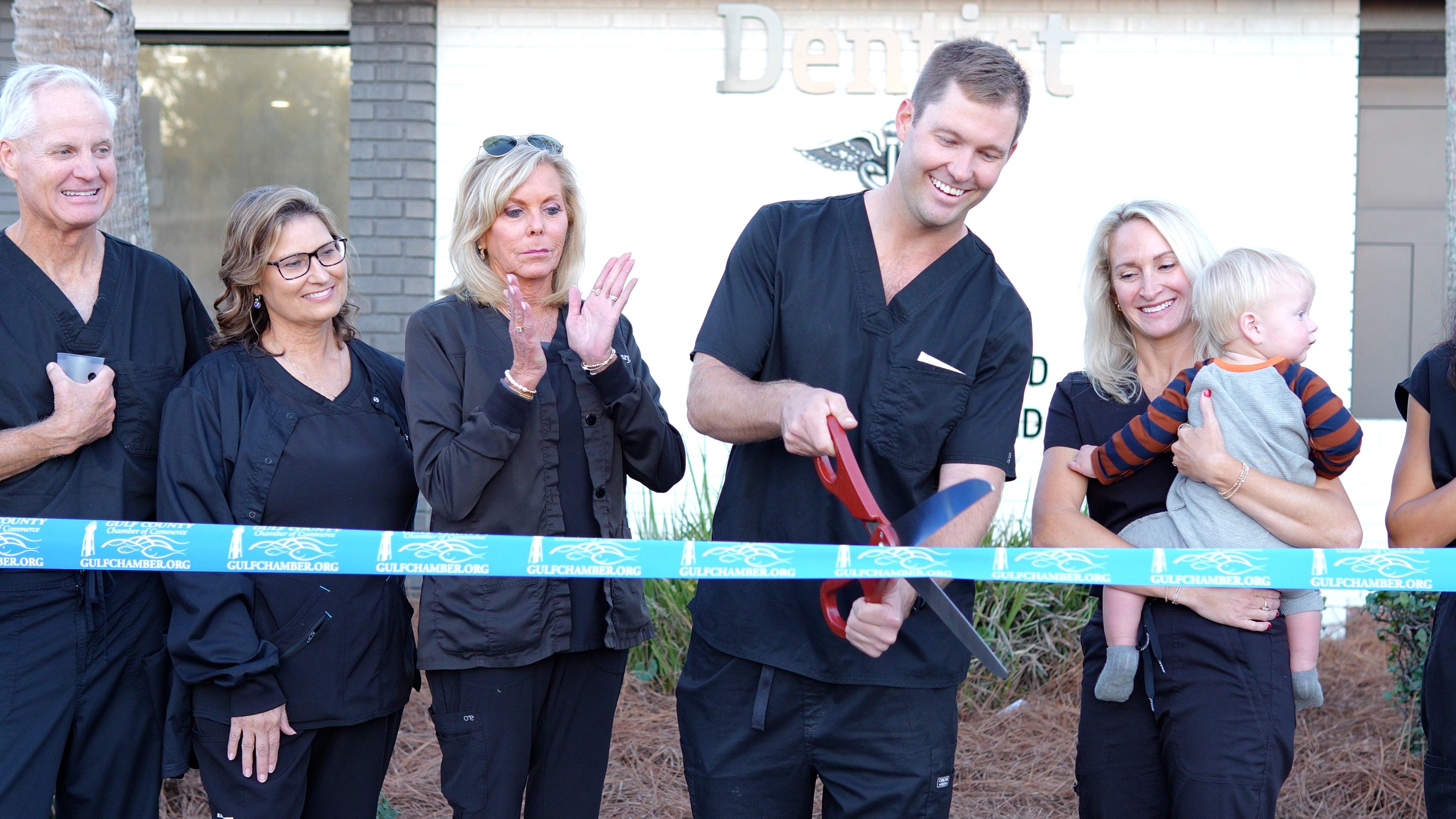 The ribbon cutting marked more than a new look. It marked a generational practice stepping confidently into the future, with the right design, plan, and systems to thrive.
Missing Out on Revenue Due to an Inefficient Office Setup?
Whether you need a complete renovation or a small but impactful update, we’re here to help you unlock your practice’s full earning potential, all within your existing space. Schedule a meeting to get started.
Topics:



.png?width=1500&height=788&name=Untitled%20design%20(16).png)
.webp?width=1280&height=720&name=maxresdefault%20(2).webp)
%20(648%20x%20324%20px)-1.png?width=648&height=324&name=cost%20pyramid%20featured%20image%20(3.125%20x%201.823%20in)%20(648%20x%20324%20px)-1.png)
