“Should we work with Design Ergonomics or just hire a local architect?”
The honest answer is that high-performing dental offices require both.
But understanding the difference between designing a building and designing a high-performance dental practice is what separates average results from exceptional ones.
If you’re happy building a dental office designed to produce average results, a local architect can do that. Heck, dental dealers design offices like that every day. Dozens of them.
Design Ergonomics, on the other hand, designs the nation's most productive dental practices.
In this article, we’ll explain:
- Why dentists need specialized dental design expertise
- Why architects alone don’t know how to design high-performing dental practices
- How Design Ergonomics and architects work together to achieve amazing results
- And how design creates the foundation for productivity, efficiency, and patient psychology
Let's get started.
Why Do Dentists Need Specialized Dental Design Expertise?
The Real Benefit: More Productivity, Less Space, Lower Stress, Lower Cost
That's right! I just said it... Better practices cost less! Here’s the counterintuitive part:
A high-performance dental office does not cost more to build… it actually costs less.
That’s because productivity changes everything.
When your practice becomes two or three times more productive,
-
You need less square footage to produce the same dentistry
-
You eliminate wasted time, motion, and bottlenecks
-
You create a smoother, more predictable day
And when dentists experience that level of efficiency, something else happens.
They discover that higher productivity actually reduces stress.
Think about where stress comes from in a dental practice:
- Running behind schedule
- Waiting for instruments or supplies
- Bottlenecks in sterilization
- Patients becoming impatient (It's ironic that we call them patients… it's only because they have to be!)
- Team members become unsure what to do next
A high-performance office removes those friction points.
When the systems of the practice work smoothly, the day becomes predictable, efficient, and far less chaotic.
And once doctors experience that, they realize something powerful:
If practicing dentistry becomes more efficient and less stressful, why would you want to do less of it?
Of course, you still have the option to go home early. (That might be your ultimate goal)
That’s the real advantage of designing for performance. It creates a lifetime of greater opportunity and choice.
Why Can’t My Architect Design a High Performing Dental Office?
Designing a dental office is not just about the building, it’s about how dentistry is delivered inside it.
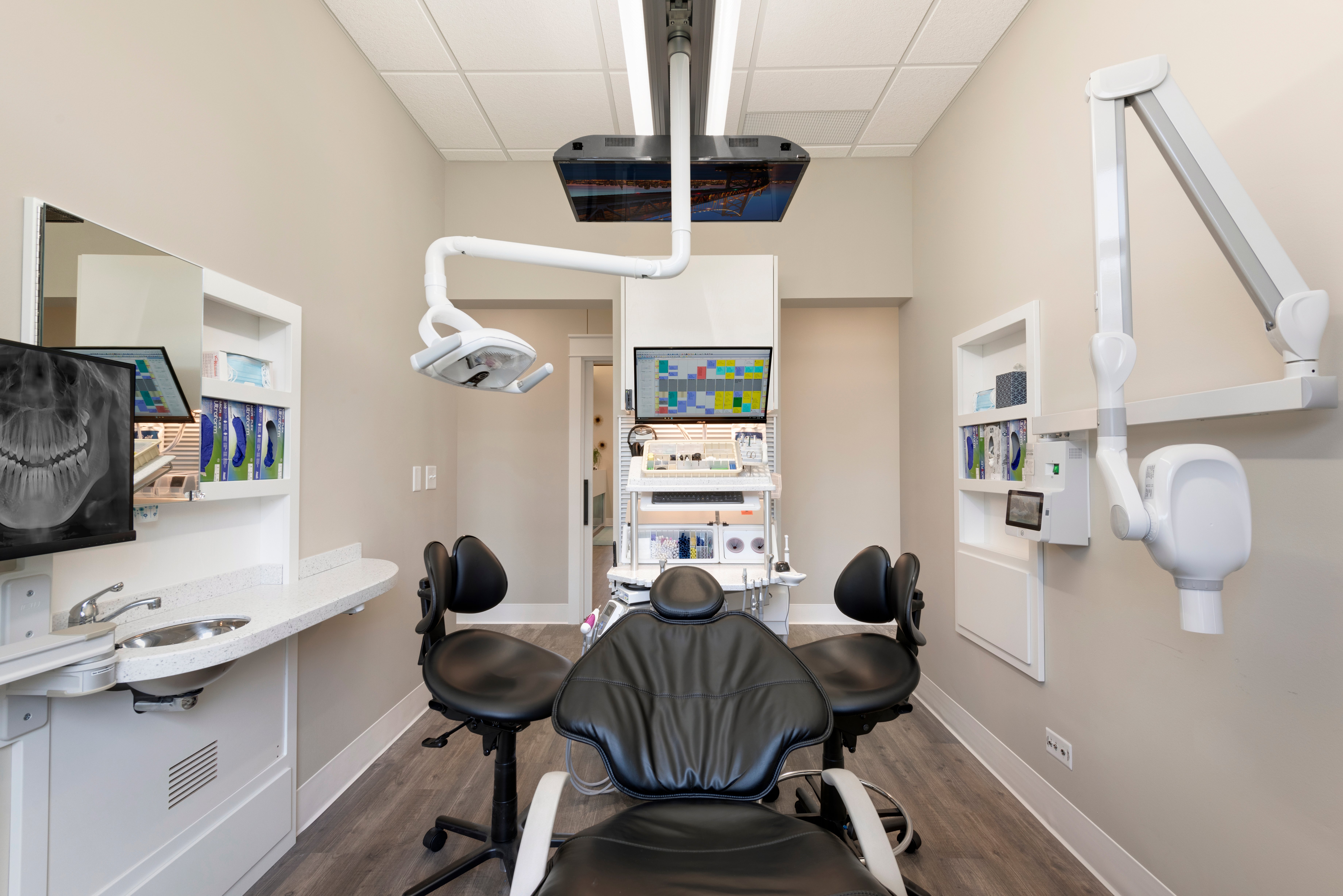
After designing more than 4,000 dental offices, we’ve led the nation in specialized knowledge in areas such as:
- Practice flow optimization
- Space efficiency
- Sterilization system design
- Clinical ergonomics
- Construction details specific to dental equipment
- Dental equipment infrastructure
- Compliance requirements
- The psychology of the patient experience
These are highly specialized systems that affect performance every single day, but are issues that architects encounter only occasionally, and are generally unrecognized to the untrained eye.
Your local architect simply does not know how to design these systems. Instead, they base their dental layouts on what they’ve seen in typical practices. The same is true for dealer-designed offices. Your dealer rep went to sales school… not design school!
And that is exactly why Design Ergonomics exists.
For more than two decades, we’ve focused on one thing:
Designing dental practices that perform at the highest level.
Experience across thousands of dental-specific projects allows us to design environments that support:
- Higher productivity
- Better team efficiency
- Improved patient experiences
- Long-term practice growth and prosperity..
If a space is designed around average performance, it unintentionally limits what a practice can achieve, for years to come!
Why Can't My Architect Just Use Your Design?
A High-performance dental design is not a template; it’s a coordinated system of equipment, workflow, and infrastructure.
Some dentists ask whether an architect can simply copy one of our layouts. Let us be clear: If the space you choose fully matches how you want to practice and what it can realistically accommodate, then it works. But in most cases, it’s not that simple.
The successful completion of A high-performing dental office requires careful coordination between:
- Equipment specifications
- Mechanical systems
- Plumbing infrastructure
- Electrical requirements
- Sterilization workflows
- Provider movement patterns
These systems must all work together.
Without specialized experience in dental environments, it’s extremely difficult to design and coordinate these details correctly.
Do you recommend a Local Architect When Working with Design Ergonomics?
It is often very beneficial to have a local architect and builder involved in your project. They understand local building codes, permitting requirements, engineering, and construction practices, making them valuable members of the team.
However, in more than 30 years of designing dental practices, we have never been presented with a floor plan created by a non-dental designer that truly optimized clinical efficiency.
That isn't because architects are poor designers. It's because designing a high-performance dental practice requires a deep understanding of how dentistry is actually performed.
A good analogy is horseback riding. You can watch videos, read books, and study the sport for years, but you won't truly understand horsemanship until you've spent countless hours in the saddle. Dentistry is no different. You can't fully appreciate the countless clinical workflows, ergonomic principles, and operational challenges that determine a practice's productivity without extensive real-world dental experience.
That's why the foundation of every successful dental project is a thoughtfully designed floor plan created by specialists who understand dentistry first.
Once that plan is complete, a local architect and builder become invaluable partners, adapting the design to local codes, engineering requirements, and construction while preserving the workflow and efficiency built into the plan.
If you already have a local architect or contractor—or would like recommendations—we're happy to help. We've collaborated with outstanding professionals across North America and can often recommend experienced partners in your area.
The key is making sure your project starts with the right foundation: a dental-specific floor plan designed to maximize productivity, improve team efficiency, reduce stress, and support your practice for decades to come.
Your Architect Builds the Office. We Design How It Performs.
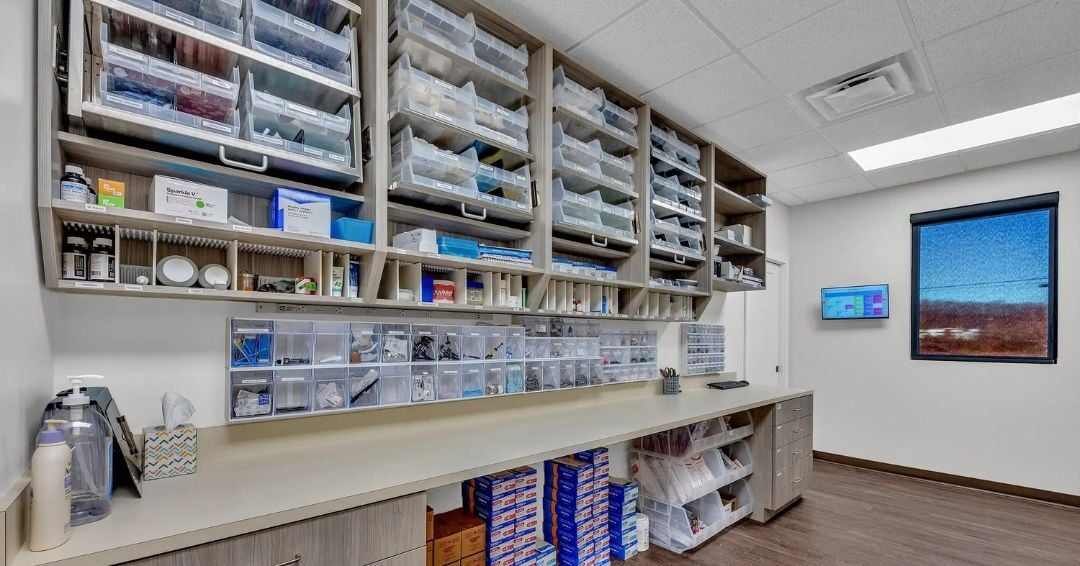
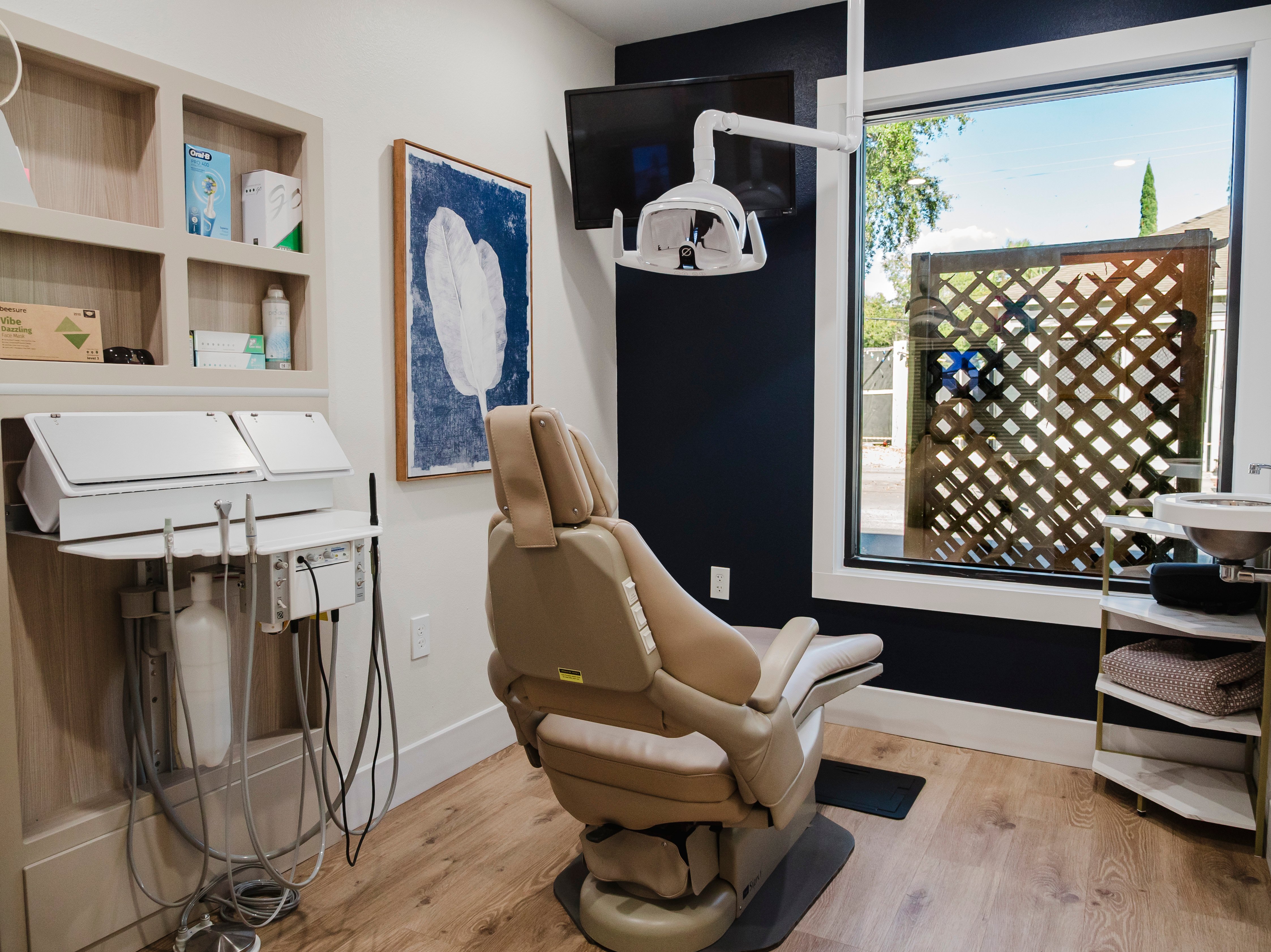
We focus on the systems that determine how the practice performs every minute of every day, including:
We remove the highly specialized dental design challenges from the architect’s plate.
This allows your local architect to focus on architecture, structure, and construction, while we design the clinical systems that make the practice produce at the maximum level.
When these roles work together, the result is a practice that is structurally sound, operationally optimized, and built expediently.
Planning a New Dental Office?
The design decisions you make today will affect your practice for decades.
If you’re planning a new office, expansion, or renovation, the right design approach can dramatically influence:
- Productivity
- Team efficiency
- Patient experience
- Long-term practice growth
Start by learning the fundamentals.
If you’re planning a new office or renovation, understanding the principles behind high-performing dental environments is the first step.
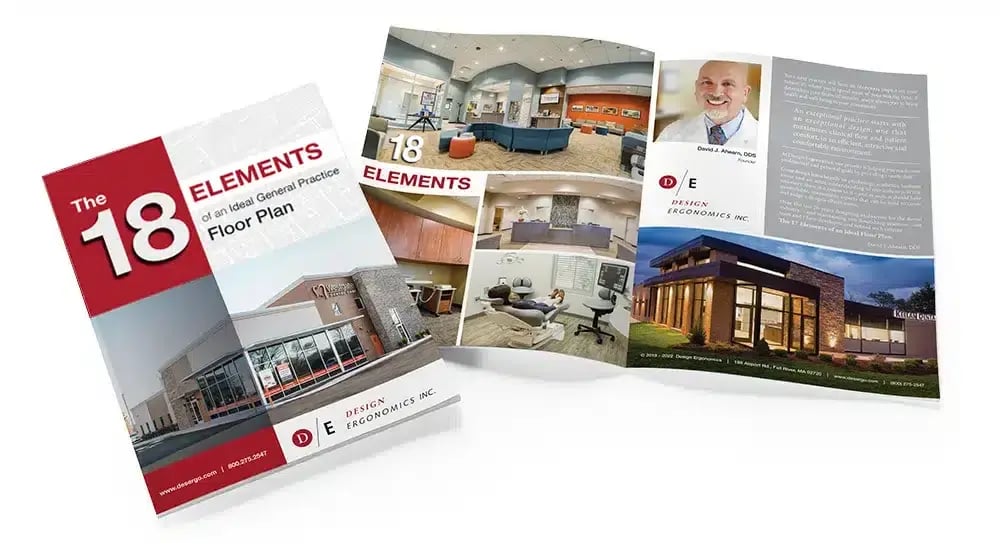
👉 Download the 18 Elements of Dental Office Design
Or schedule a meeting with a Practice Advisor to talk through how you can design your practice for peak performance.






.png?width=1500&height=788&name=Untitled%20design%20(16).png)

.webp?width=1280&height=720&name=maxresdefault%20(2).webp)

%20(648%20x%20324%20px)-1.png?width=648&height=324&name=cost%20pyramid%20featured%20image%20(3.125%20x%201.823%20in)%20(648%20x%20324%20px)-1.png)
