

How Dr. Dillingham Created a Space That Reflects the Care He Delivers
Most dentists think their biggest challenge is dentistry. It’s not.
The real challenge is building a team that can consistently deliver extraordinary care and then creating an environment where those people actually want to stay.
That’s exactly what Dr. Dillingham set out to solve when designing his new practice. “It’s been harder and harder to find and retain really good team members,” he says. And he’s right.
Every practice owner in America is feeling the pressure of staffing shortages, burnout, rising expectations, and increasing operational complexity. The practices that win over the next decade will not simply be the ones with the best dentistry. They will be the ones who create the best environments for both patients and teams.
Your Physical Environment Shapes Your Culture
Many dentists underestimate the impact of their facility on recruiting, morale, efficiency, and team performance.
Your team spends eight to ten hours a day in your office. If the space feels cramped, chaotic, outdated, inefficient, or stressful, that affects everything:
- Energy
- Communication
- Workflow
- Training
- Retention
- Culture
- Patient experience
Dr. Dillingham understood this from the beginning. “There’s dozens of things that make a work environment somewhere you want to go to or stay at,” he explains. “But I think certainly the physical space that you work in is not unimportant.”
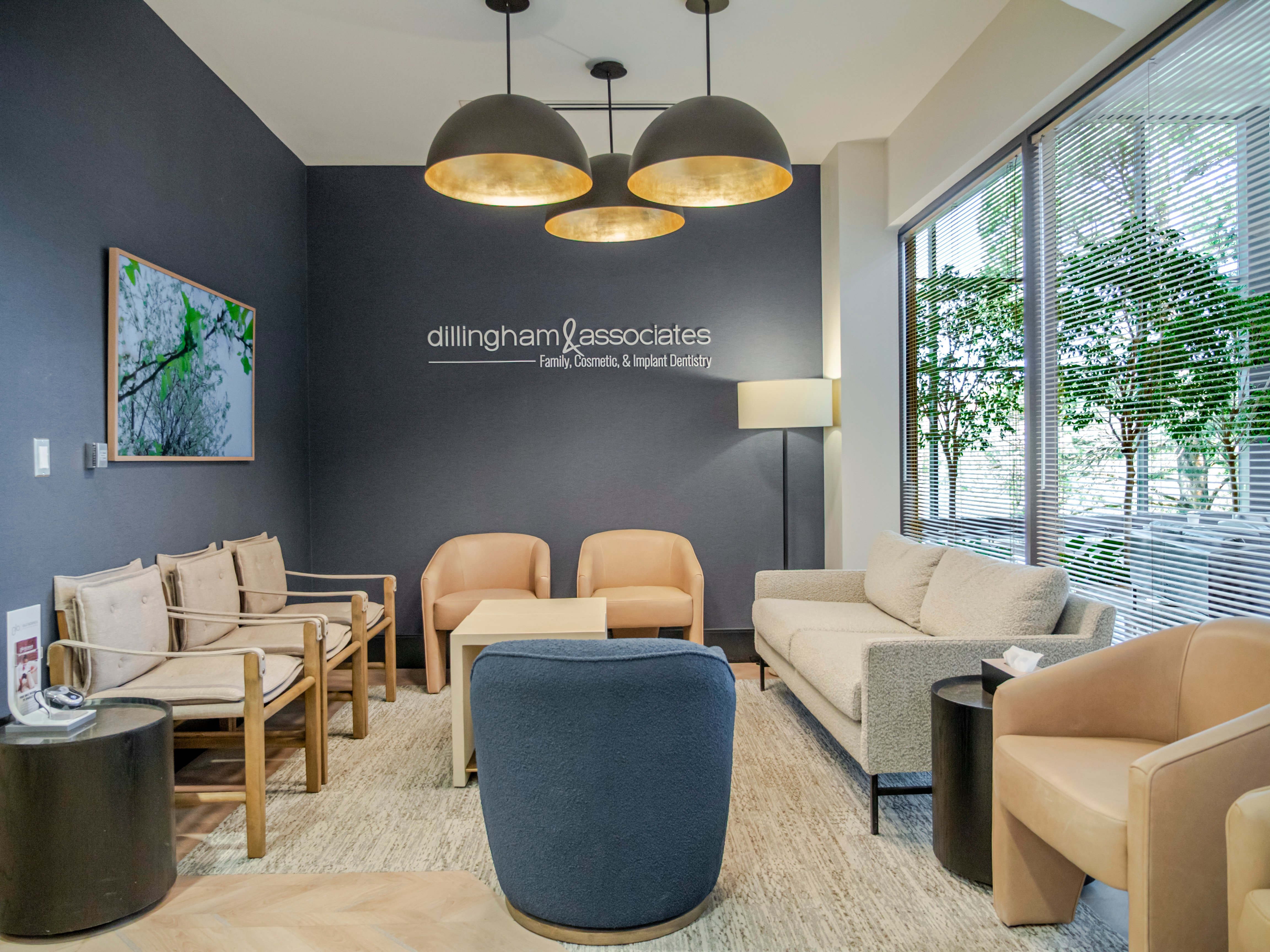
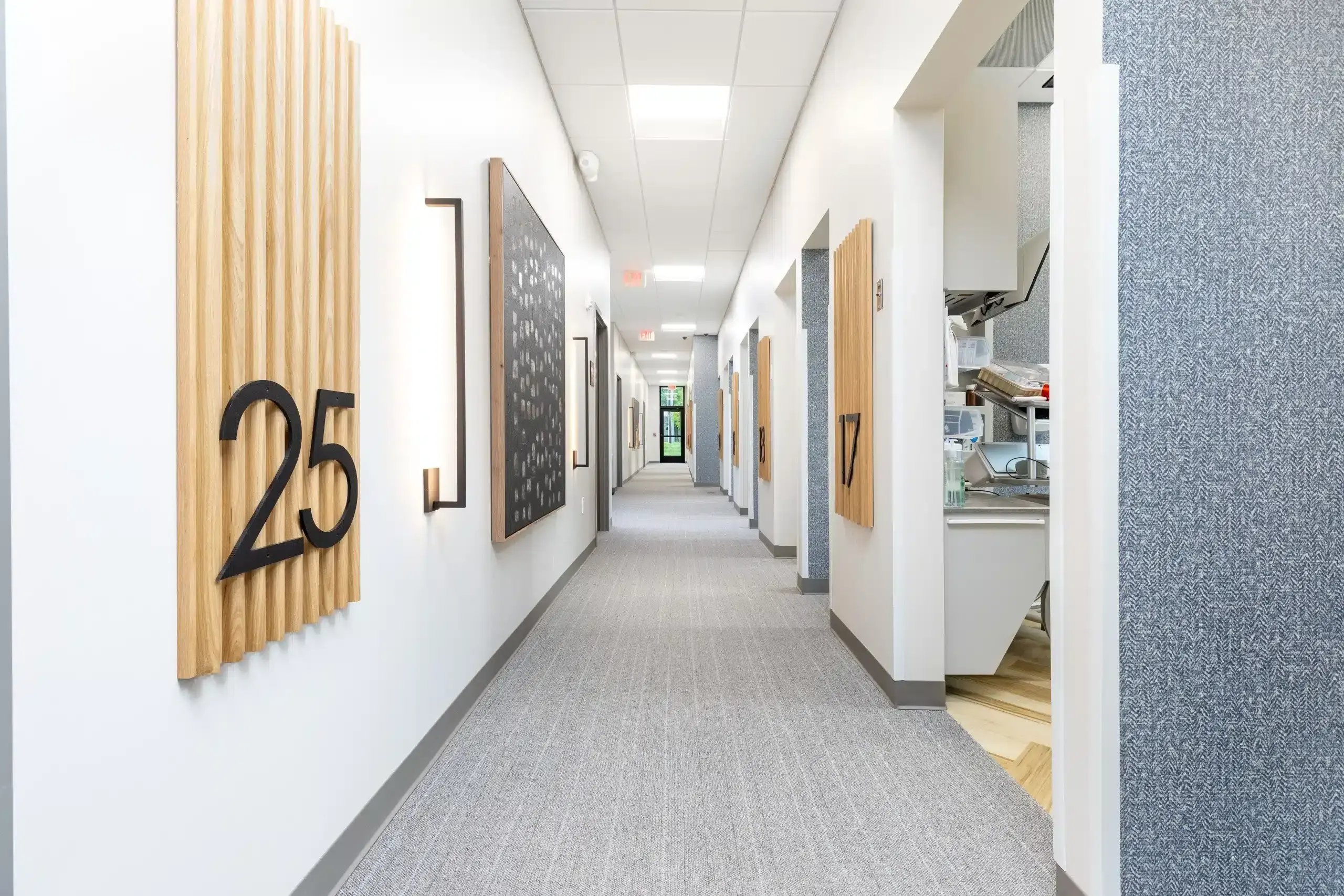
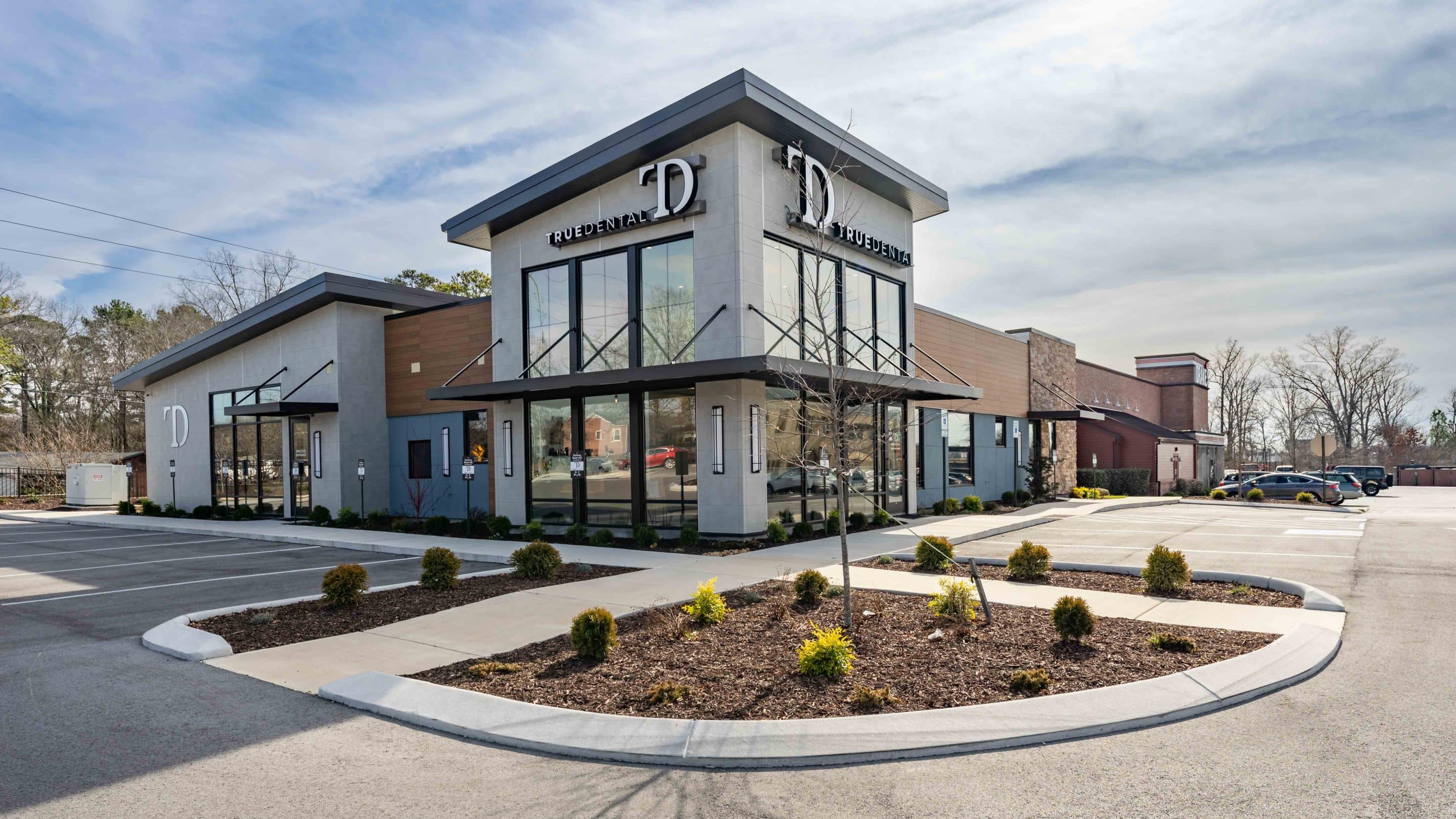
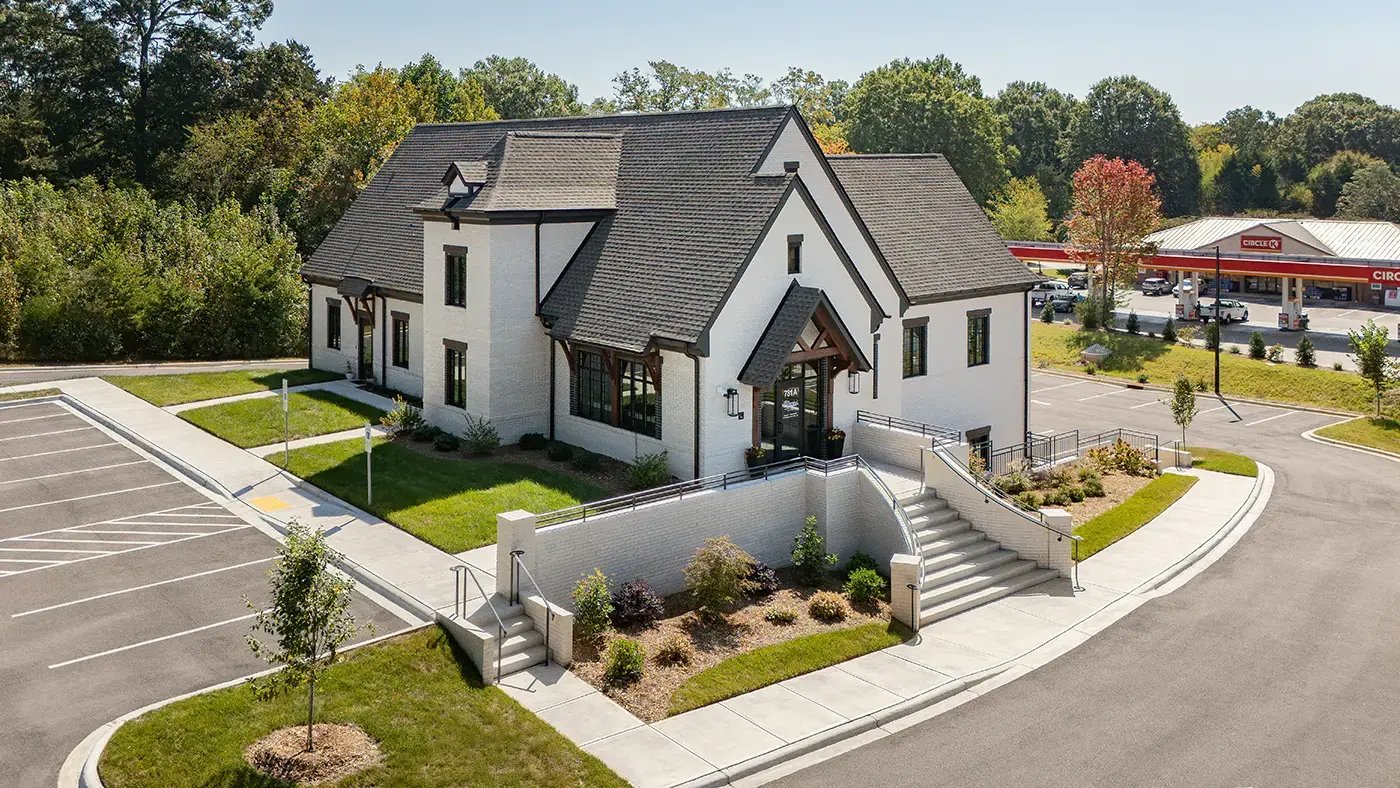
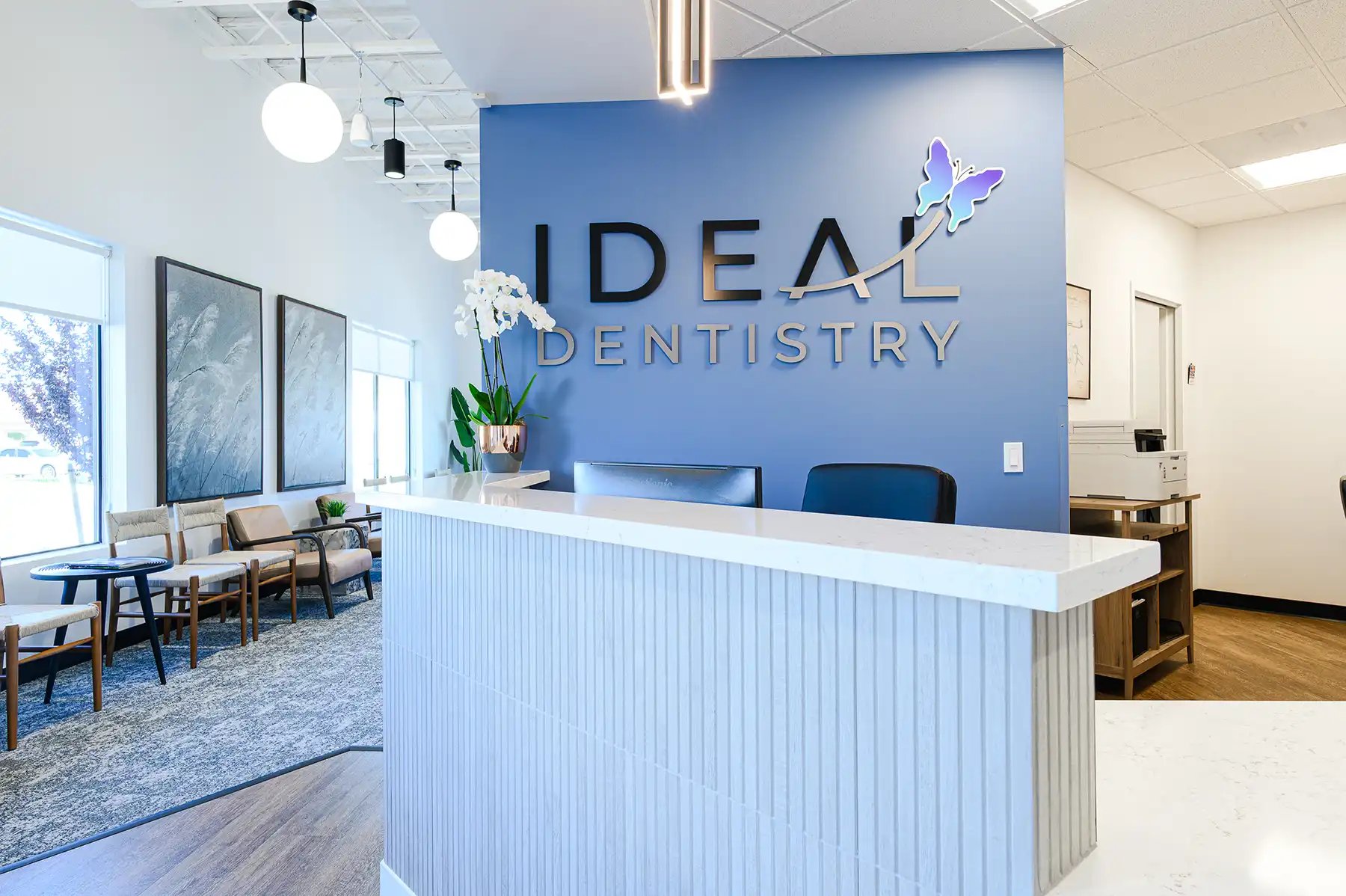
For him, the physical environment needed to align with the type of care his team provides every day. The result is a modern, high-tech office that reflects both professionalism and attention to detail.
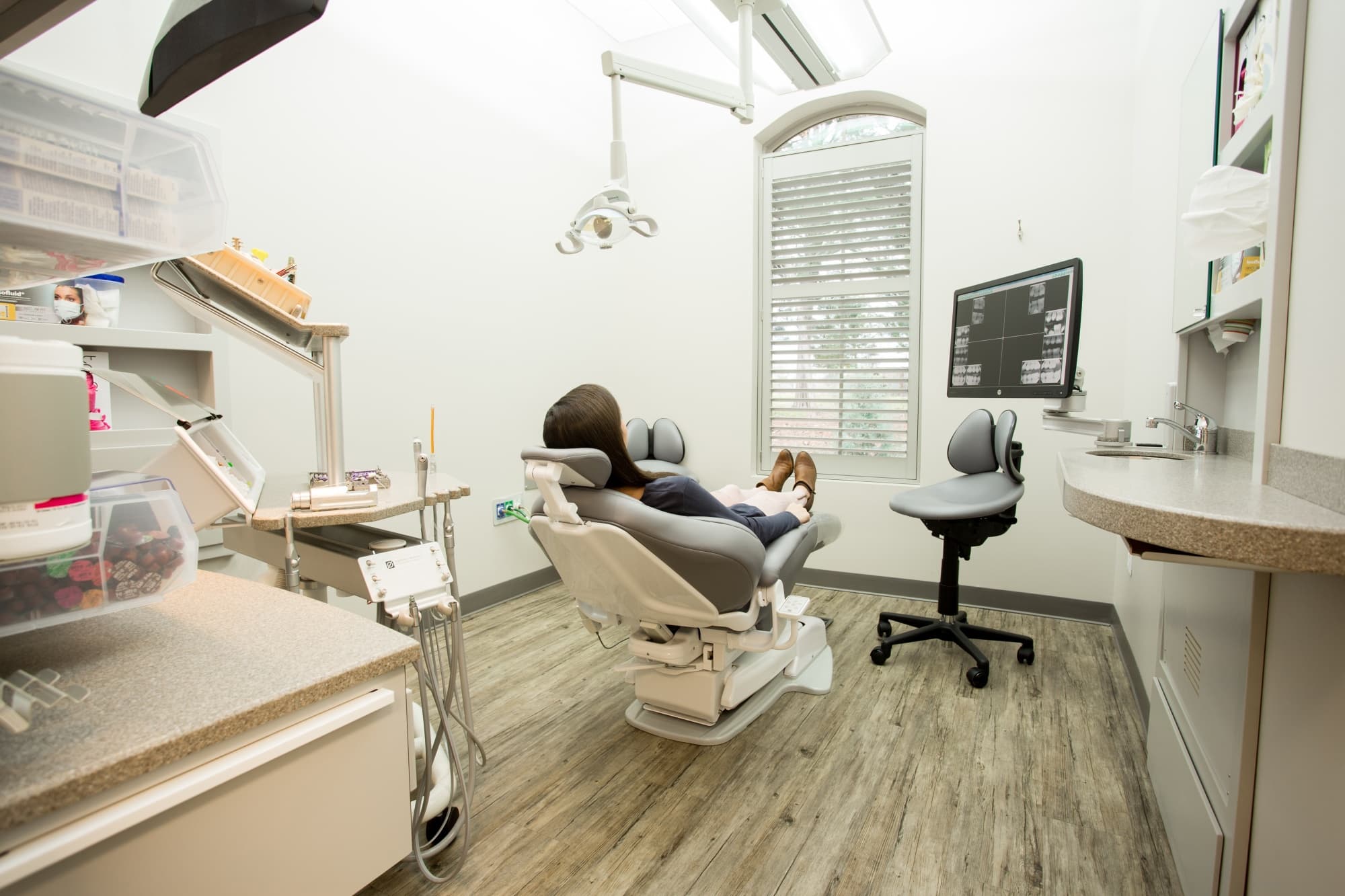
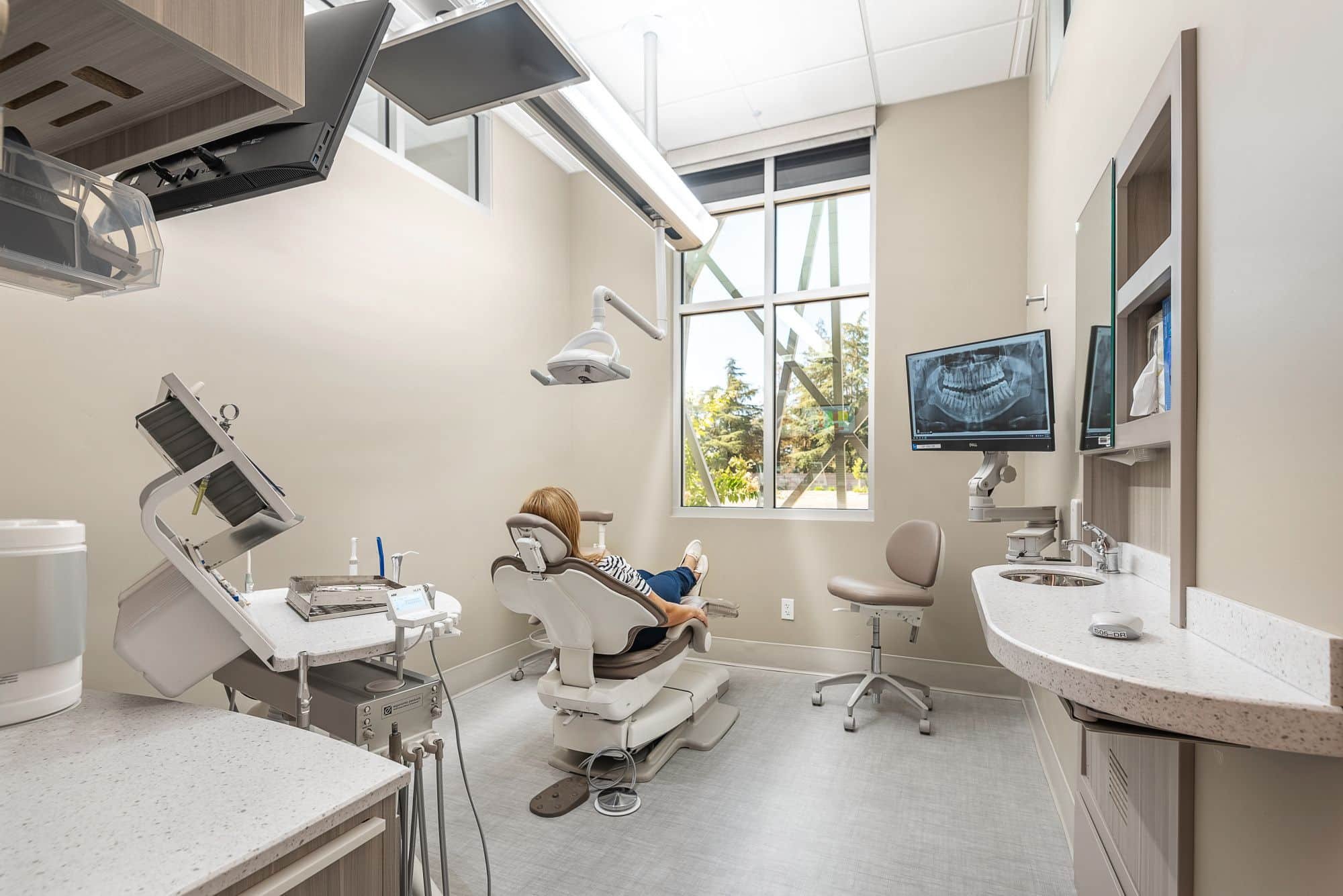
“I wanted a space that looked really nice, that was clean and modern and high-tech and up-to-date because that’s the type of care that we want to give,” he says. “I wanted that to feel cohesive.”
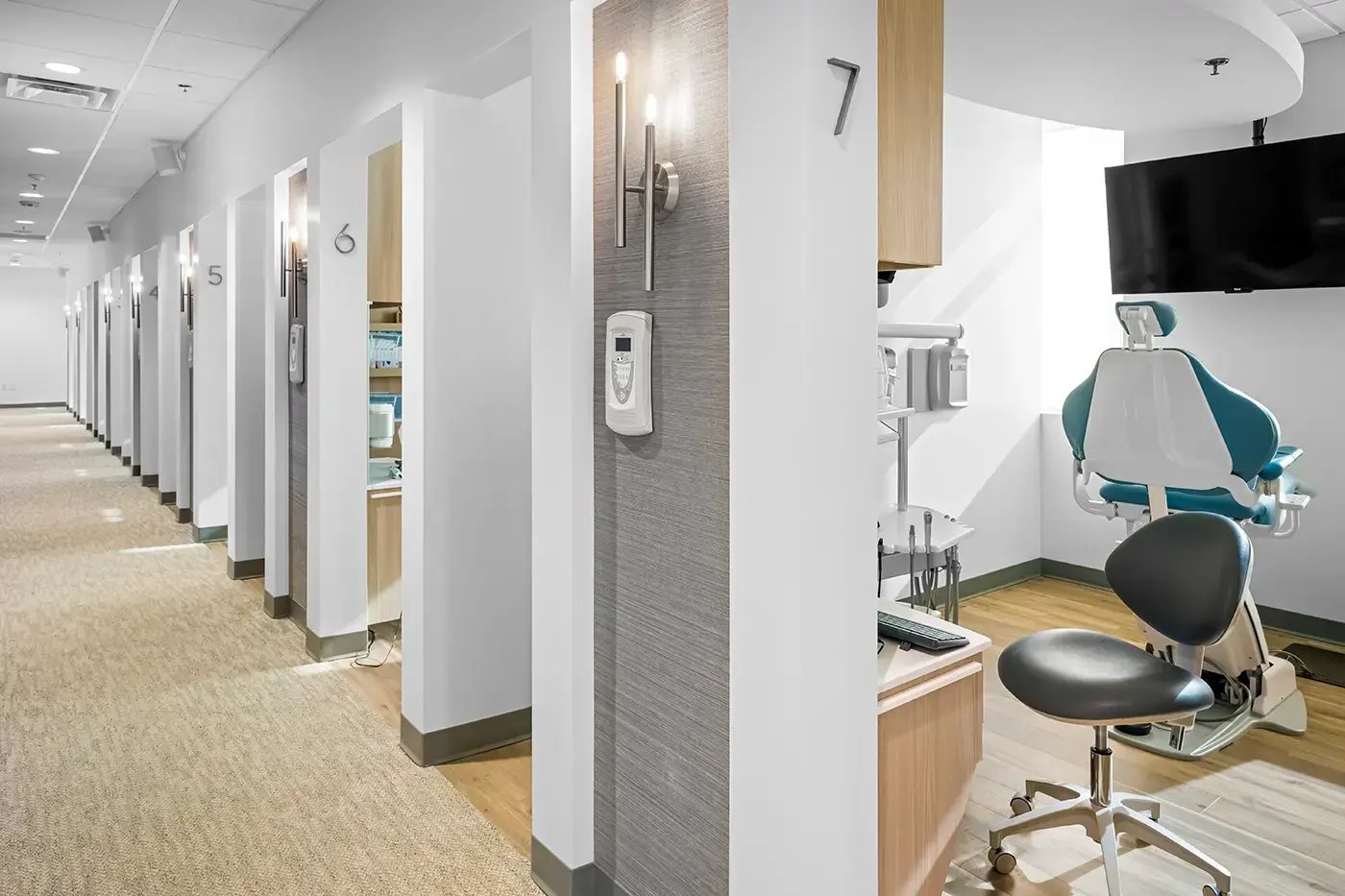
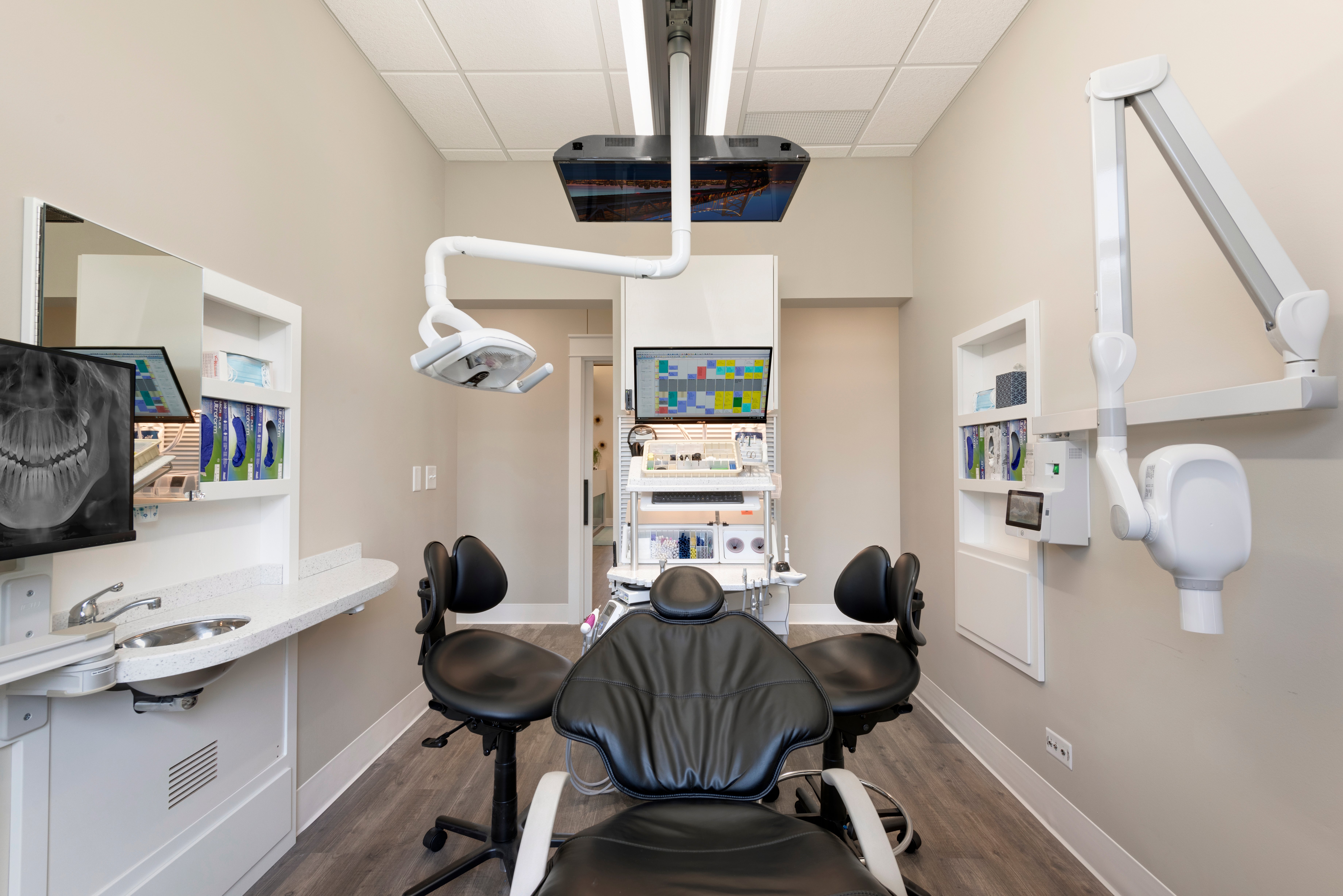
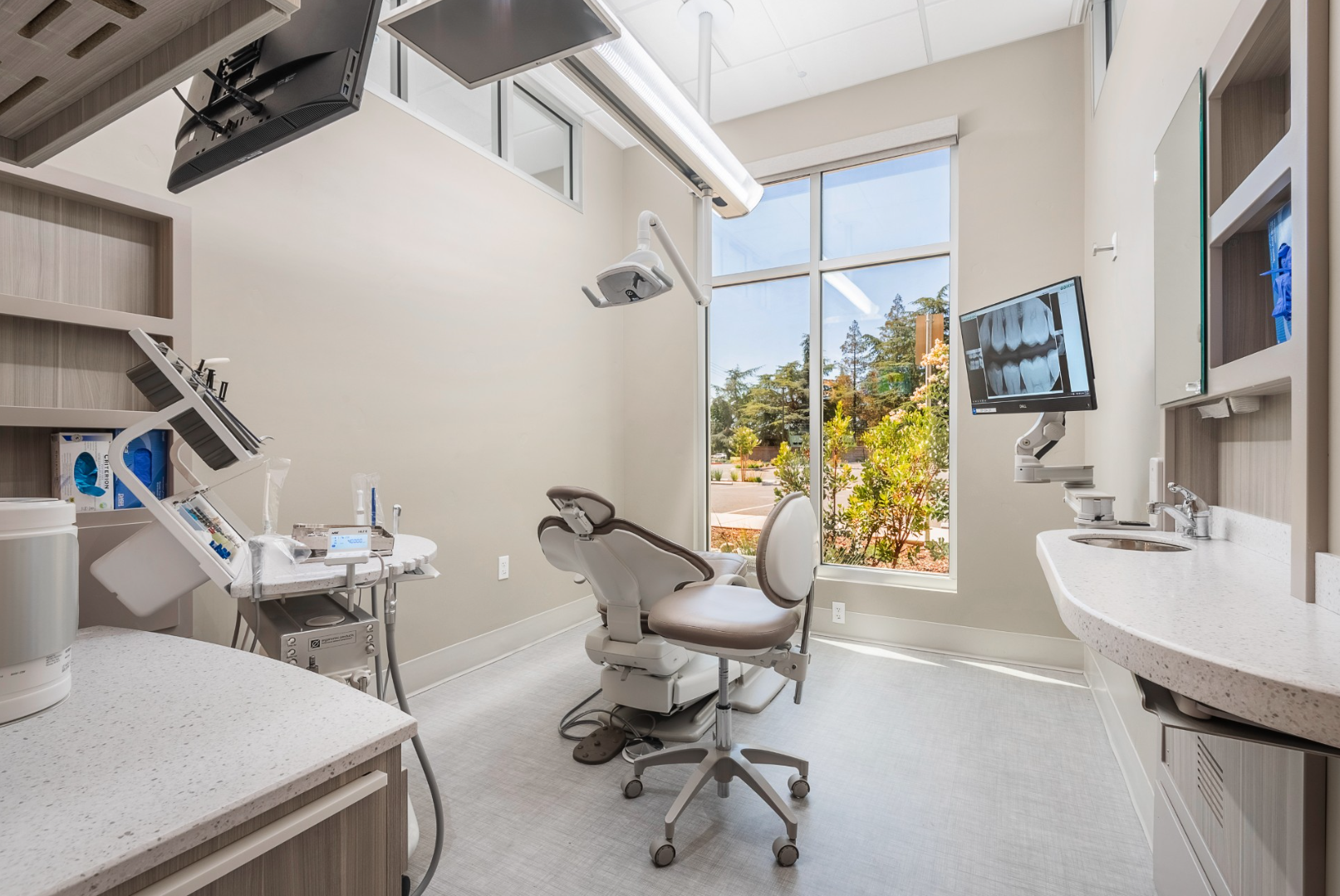
That cohesion extends far beyond aesthetics. Every part of the office was intentionally planned to improve workflow, organization, and the overall experience for both patients and staff.
Designing a Workplace People Want to Be Part Of
For Dr. Dillingham, the new office was also an investment in recruitment and retention. Physical workspace plays an important role in attracting and retaining great people.
“I hope that if somebody is interviewing at multiple places, this would be a feather in our cap,” he says. “Maybe they wouldn’t choose to work here solely because of our space, but when they’re considering their different options, we have this beautiful, world-class, brand-new space that they could come work in.”
More importantly, he wanted the office to feel rewarding and supportive for his team every single day. “We wanted to create a space that would be really comfortable for both our patients and our team,” he says. “And I think we’ve done it.”
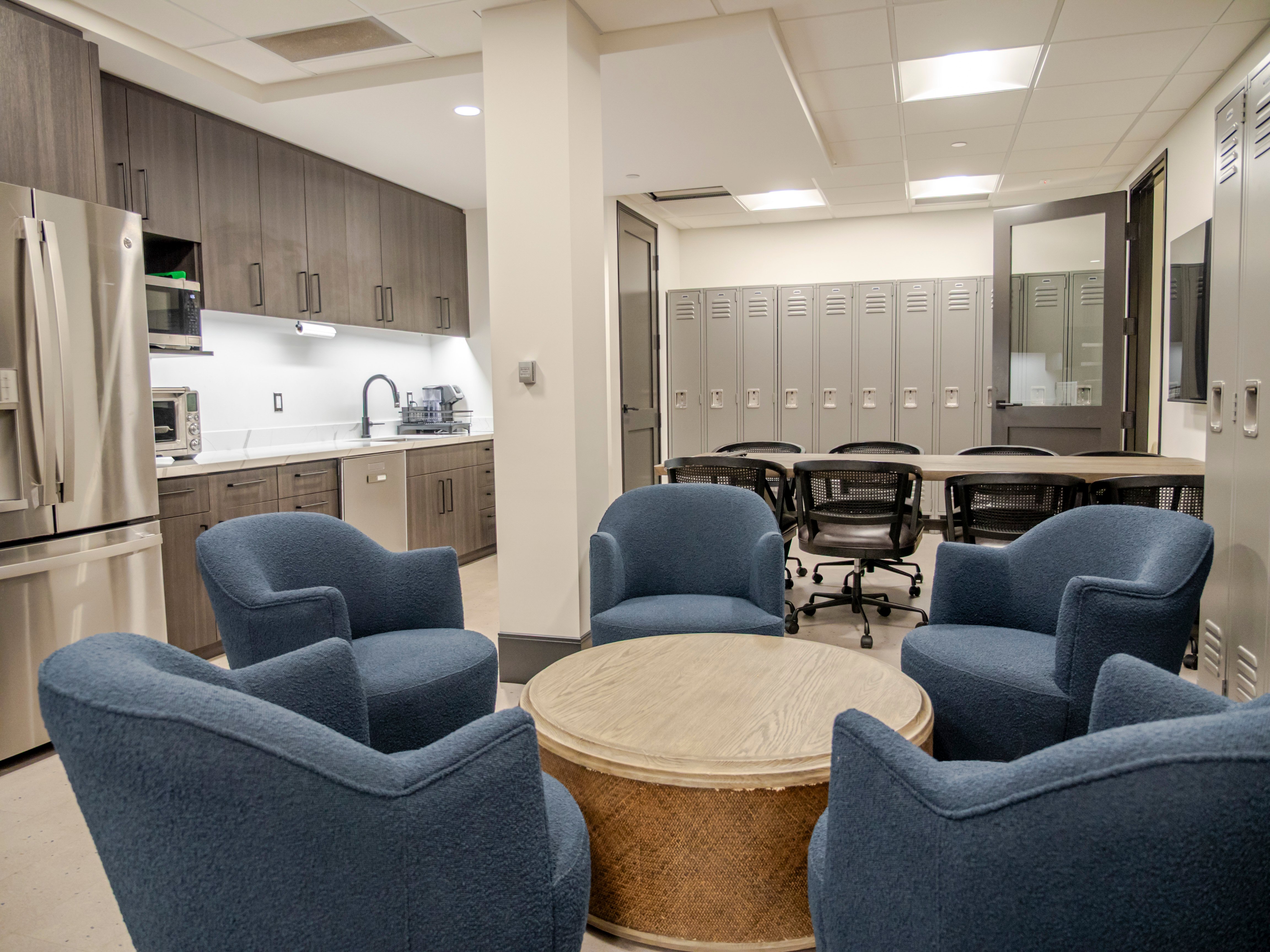
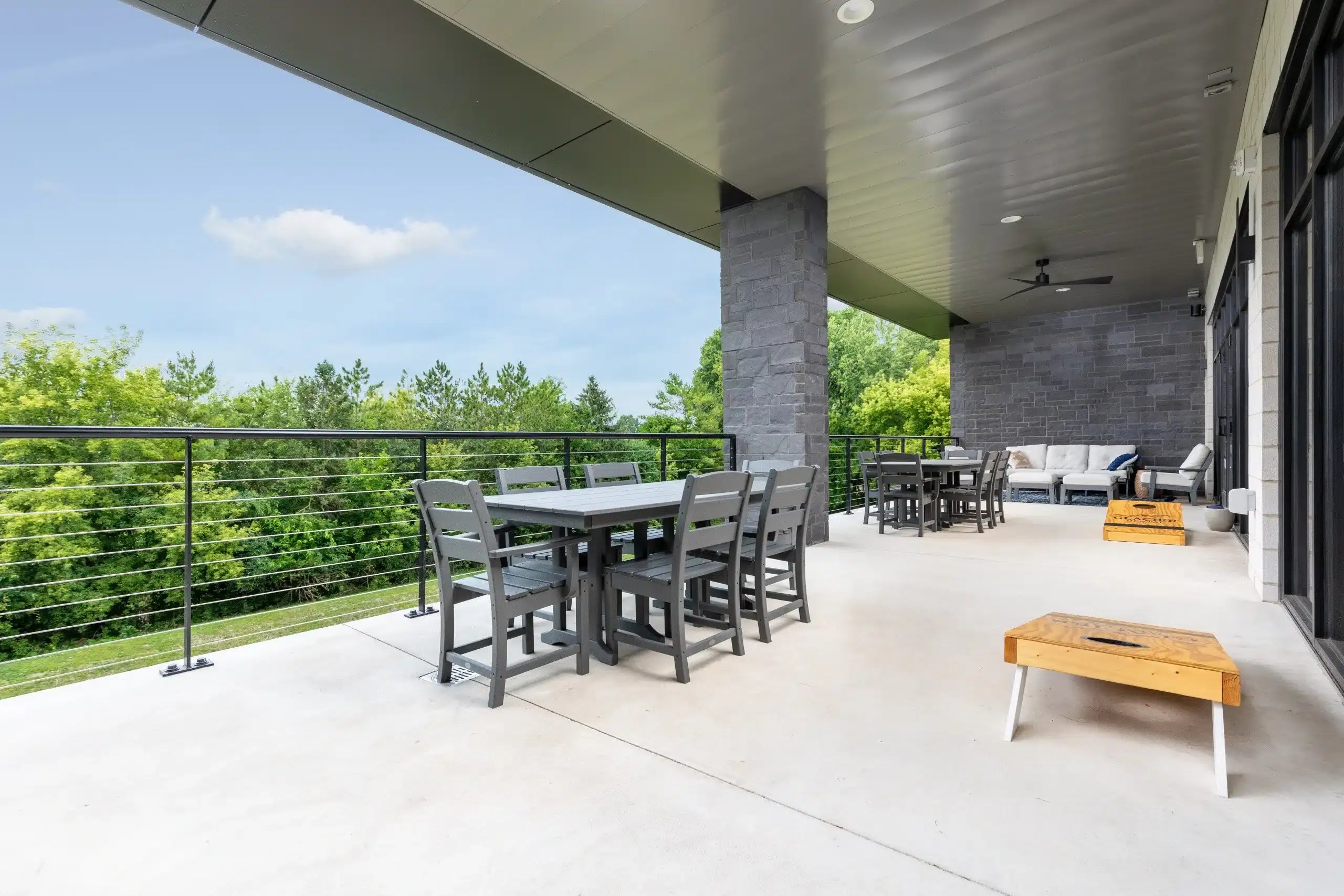
One of the clearest examples is the team break room, a dramatic upgrade from the cramped space in the previous office. The new space was intentionally designed to give the team an opportunity to recharge during the day. In addition to a large communal table used for huddles, meetings, and meals, the room includes comfortable seating areas where team members can relax and unwind.
“Most doctors have their own private office,” he says. “But your team may not have a space to retreat. So just to have a little bit more personal space, a little more space to wind down, was really important.”
Systems That Simplify Training and Workflow
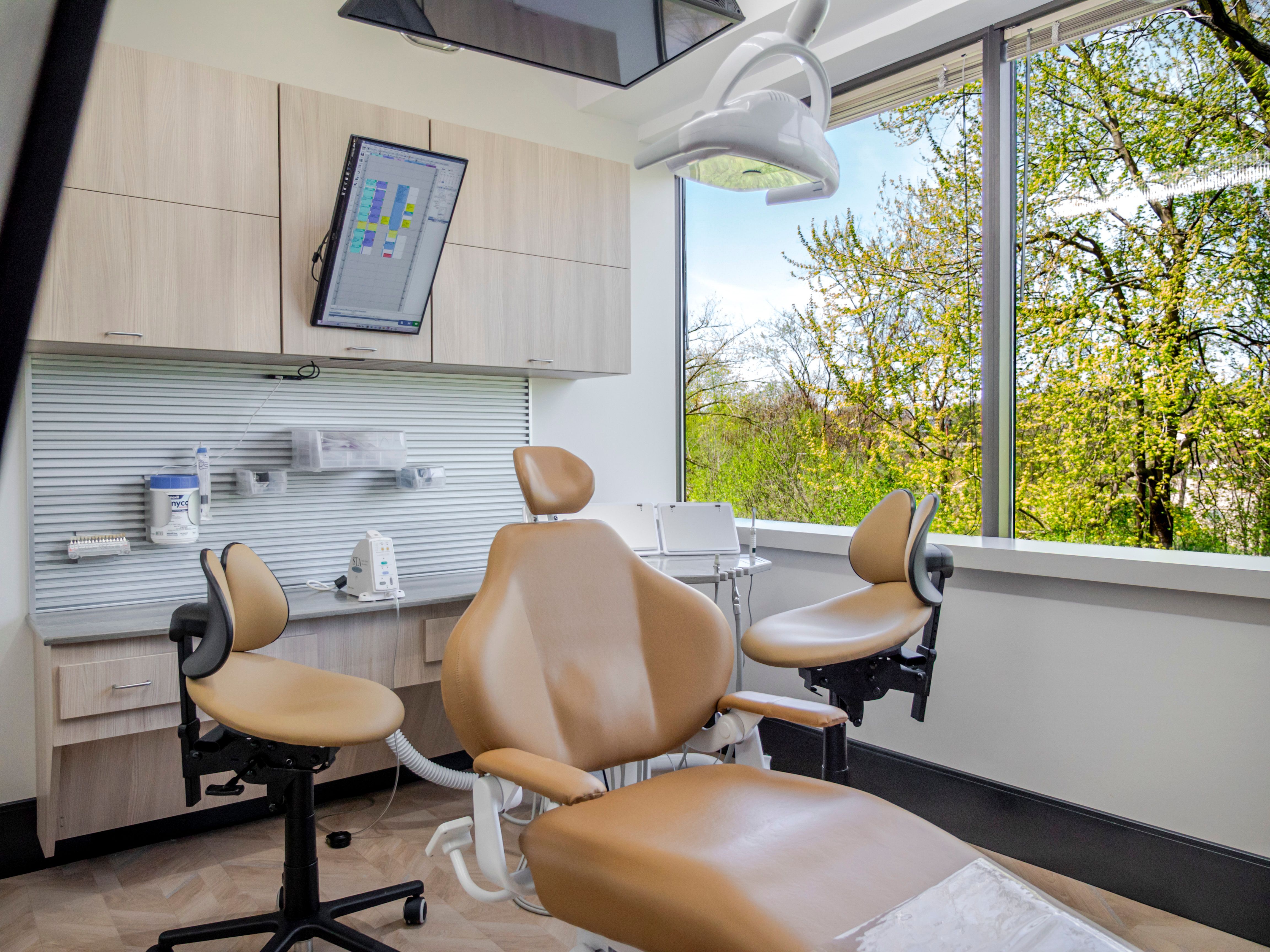
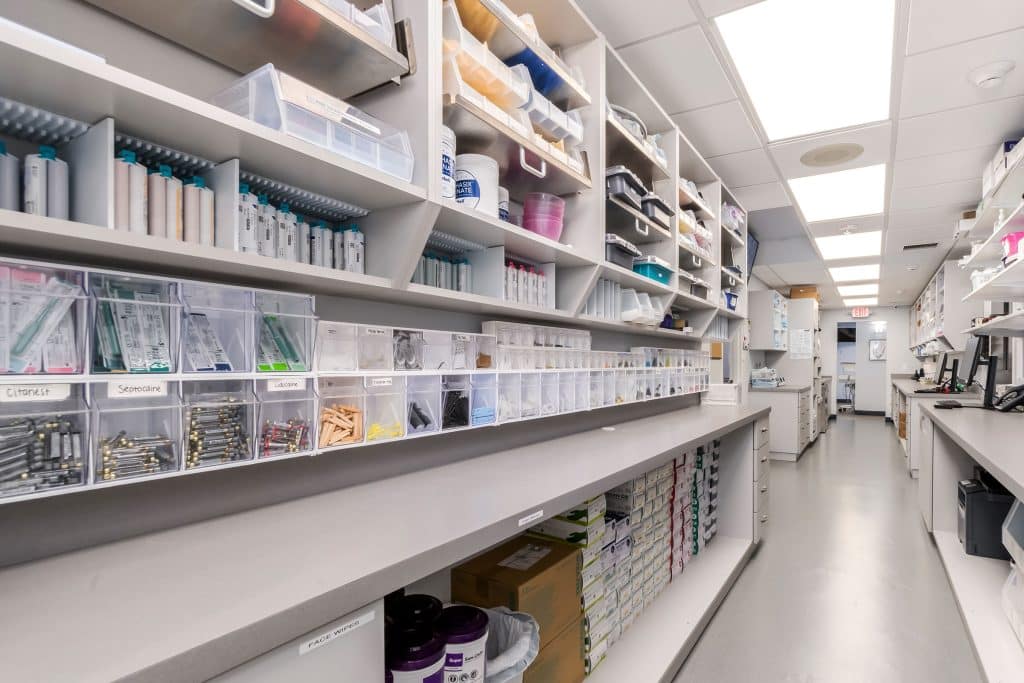
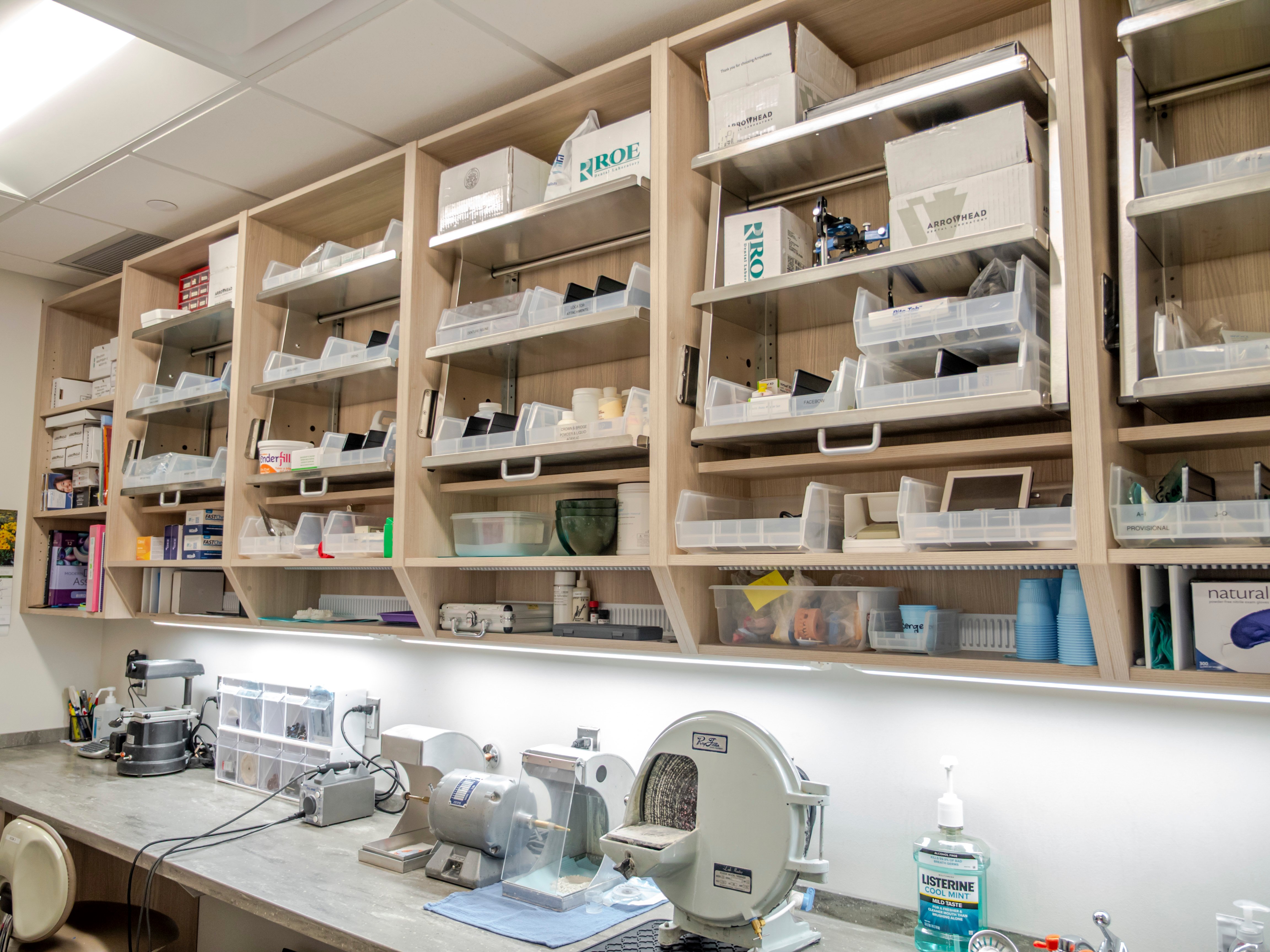
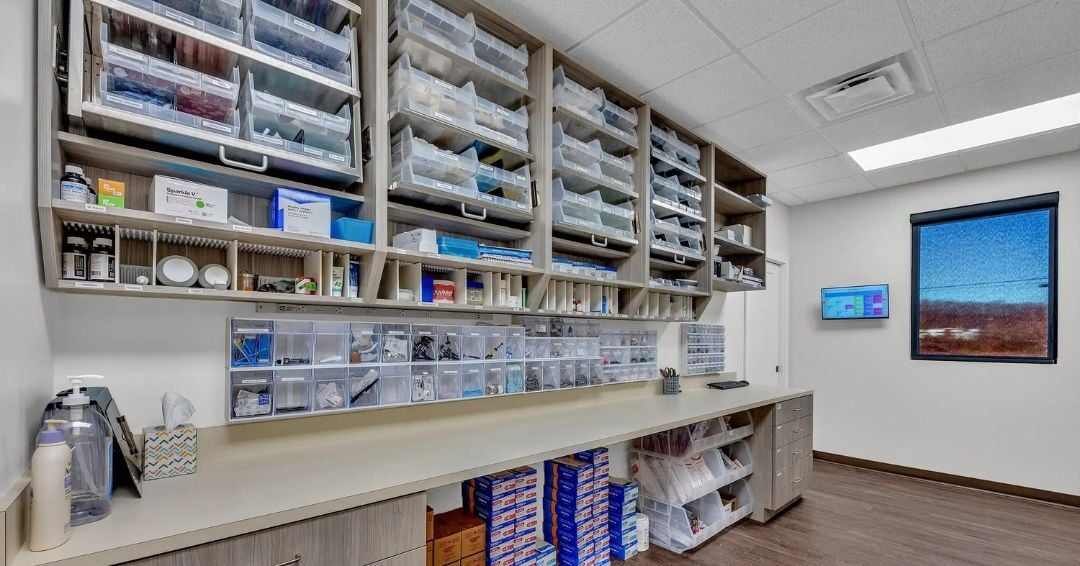
Beyond comfort and aesthetics, the office was also designed to make clinical systems easier to learn and more efficient to operate.
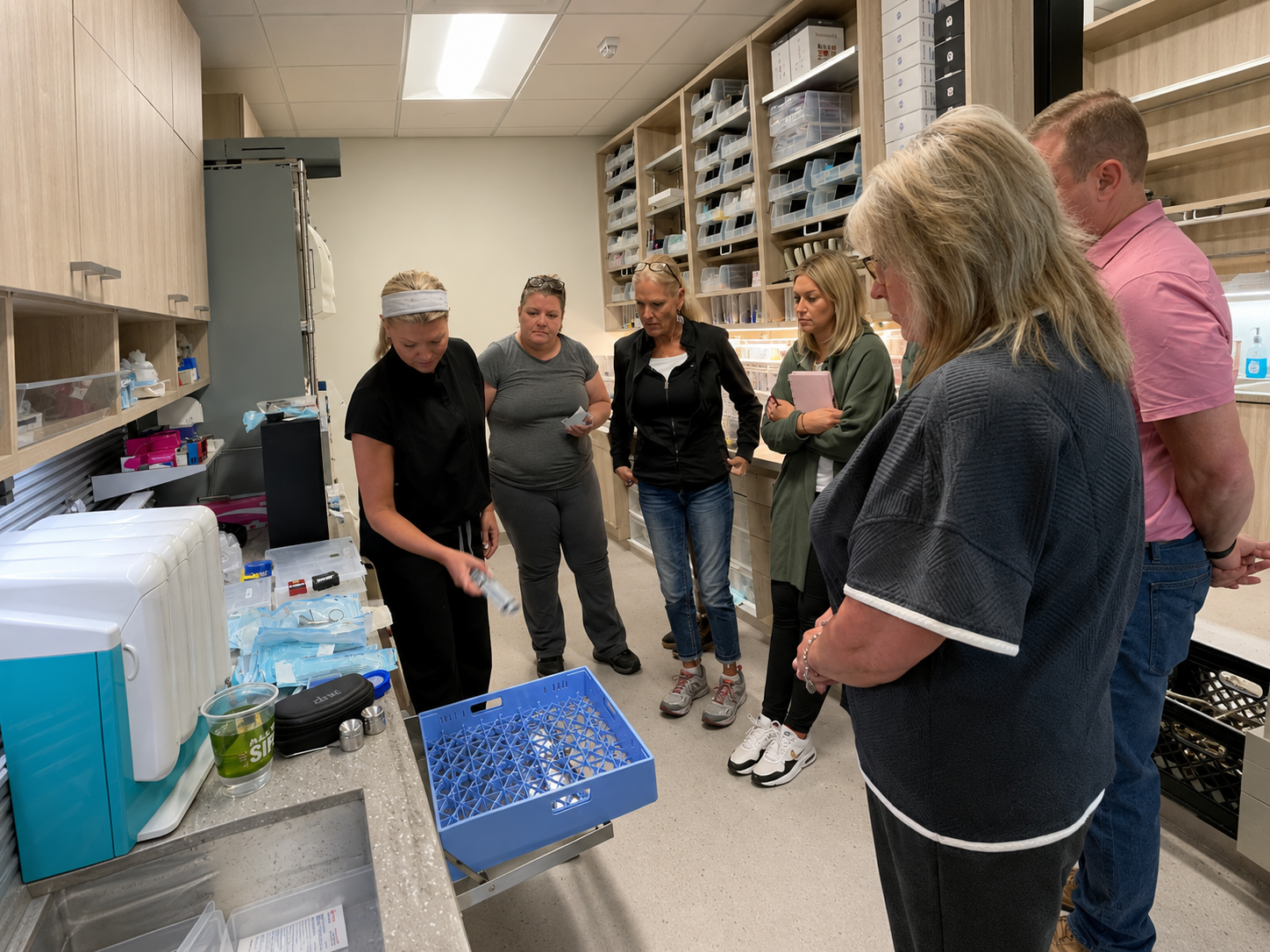
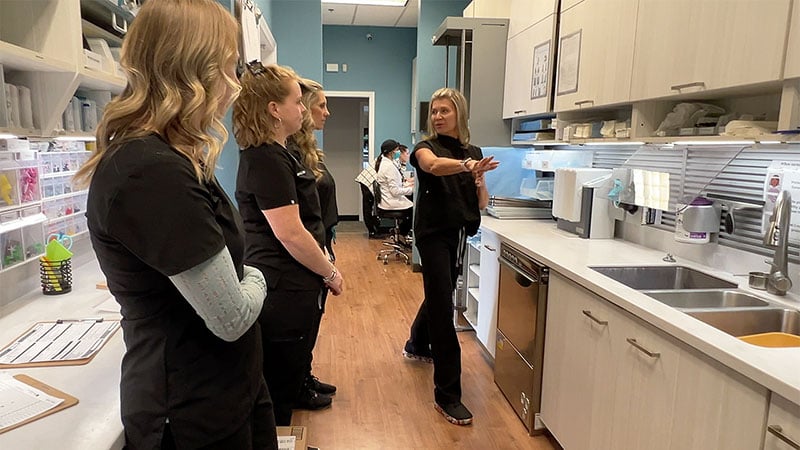
When onboarding new team members, Dr. Dillingham believes the organization and flow of the practice make a significant difference. “You bring in a new hygienist or assistant, and your existing team members are teaching them systems in sterilization and resupply and lab workflow,” he says. “It’s just so well thought out.”
That intentional design helps reduce friction for both experienced professionals and new hires entering the practice. “I have to imagine the introduction of a new team member into these systems is refreshing for someone who’s been at it for a while,” he says. “Hopefully as easy as it could be, all things considered.”
A Space That Reflects the Practice Vision
For Dr. Dillingham, the new office is far more than a beautiful facility. It is a strategic investment in the future of his practice and the people inside of it.
By partnering with Design Ergonomics, he created an environment designed to support clinical excellence, strengthen team culture, improve operational flow, and elevate the patient experience at every touchpoint.
The result is a practice designed not just to function better today, but to support long-term growth and efficiency for years to come.


.png?width=1500&height=788&name=Untitled%20design%20(16).png)
.jpg?width=1280&height=720&name=maxresdefault%20(6).jpg)
.jpg?width=1280&height=720&name=maxresdefault%20(5).jpg)
